Aging was once viewed as an inevitable decline, a linear progression toward frailty. However, modern bioscience has reframed aging as a malleable biological process. By understanding the molecular pathways that govern cellular repair, metabolic efficiency, and DNA stability, we can now implement strategies to significantly extend our “healthspan”—the period of life spent in good health. This guide synthesizes cutting-edge research on nutrient-sensing pathways, cellular recycling, and functional nutrition to provide a definitive roadmap for longevity.
Autophagy and Spermidine: The Cellular Cleanup Mechanism
At the heart of the anti-aging revolution is autophagy, a Greek term meaning “self-eating.” This is the body’s evolutionary mechanism for identifying and destroying damaged cellular components, such as misfolded proteins and dysfunctional mitochondria. When autophagy is optimized, cells remain youthful and efficient; when it slows, cellular “trash” accumulates, leading to inflammation and age-related diseases.
The Role of Spermidine in Autophagy Induction
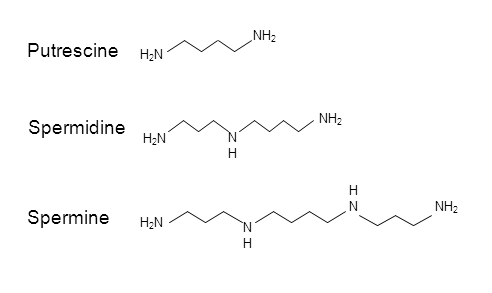
Spermidine, a naturally occurring polyamine, has emerged as one of the most potent natural inducers of autophagy. Research indicates that spermidine mimics the biological effects of fasting by inhibiting certain enzymes that usually suppress the autophagy process. By “unlocking” this pathway, spermidine helps the body clear out metabolic waste, which has profound implications for heart health, cognitive function, and even weight management.
- Cardiovascular Protection: Spermidine promotes the health of the endothelium (the lining of blood vessels) and reduces arterial stiffness.
- Neuroprotection: By clearing toxic protein aggregates in the brain, it may help prevent neurodegenerative decline.
- Weight Management: Enhanced cellular metabolism through autophagy helps regulate lipid profiles and glucose sensitivity.

The Biological Impact of Calorie Restriction and Fasting
Calorie restriction (CR) is arguably the most well-documented intervention for increasing lifespan across various species. It is not merely about eating less; it is about triggering a survival response that prioritizes cellular maintenance over growth and reproduction.
Sirtuins and the NAD+ Connection
When caloric intake is reduced without malnutrition, the body activates a family of proteins called sirtuins (specifically SIRT1). These “longevity genes” depend on a molecule called NAD+ to function. Sirtuins are responsible for DNA repair, regulating circadian rhythms, and protecting against oxidative stress. Calorie restriction boosts NAD+ levels, thereby fueling the sirtuins that keep our genetic blueprint intact.
Metabolic Switching
Calorie restriction forces the body to switch from glucose metabolism to ketone metabolism. This shift reduces the production of reactive oxygen species (ROS), which are byproducts of energy production that damage cells. By lowering the “metabolic fire,” CR preserves the integrity of our biological systems for a longer duration.

Plant-Based Proteins vs. Animal Proteins: A Longevity Perspective
The source of your protein may be just as important as the quantity. Recent longitudinal studies suggest that replacing animal proteins with plant proteins is associated with a lower risk of all-cause mortality. This is largely due to the differing impacts these proteins have on growth-signaling pathways.
The IGF-1 and mTOR Pathways
Animal proteins, particularly those high in branched-chain amino acids (BCAAs) like leucine, significantly elevate levels of IGF-1 (Insulin-like Growth Factor 1) and activate mTOR (mammalian Target of Rapamycin). While these pathways are essential for muscle growth during youth, over-activation in adulthood is linked to accelerated aging and increased cancer risk. Plant proteins generally provide a more balanced amino acid profile that does not spike these growth pathways to the same degree, allowing for better cellular maintenance.
| Protein Source | Impact on mTOR | Longevity Association | Key Nutrients |
|---|---|---|---|
| Animal Protein | High Activation | Potential Risk (if excessive) | B12, Heme Iron, Creatine |
| Plant Protein | Moderate/Low | Highly Positive | Fiber, Phytonutrients, Polyphenols |

Micronutrient Powerhouses: PQQ, Ergothioneine, and Hyaluronic Acid
Beyond macronutrients, specific “longevity vitamins” and compounds play critical roles in protecting our cells from the inside out. These nutrients target specific organelles like mitochondria or structural components like the extracellular matrix.
PQQ: Mitochondrial Biogenesis
PQQ (Pyrroloquinoline Quinone) is a unique compound that can actually stimulate the growth of new mitochondria in aging cells—a process known as mitochondrial biogenesis. Since mitochondria are the power plants of our cells, increasing their number and efficiency directly translates to higher energy levels and slower biological aging.
Ergothioneine: The Longevity Vitamin
Found in high concentrations in mushrooms, Ergothioneine is a potent antioxidant that has a dedicated transporter in the human body, suggesting its biological importance. It accumulates in tissues prone to high oxidative stress, acting as a “cellular shield” to protect DNA and proteins from damage.
Hyaluronic Acid: More Than Skincare
While famous for its hydrating effects on the skin, Hyaluronic Acid (HA) is essential for joint lubrication and the integrity of the extracellular matrix. Oral supplementation has been shown to support joint health and potentially influence systemic inflammation, making it a key component of a comprehensive anti-aging regimen.

The Hollywood Blueprint: Anti-Aging Foods of the Elite
Celebrity health protocols, such as those followed by Robert Downey Jr., often mirror scientific findings. These diets prioritize high-density phytonutrients that combat inflammation and oxidative stress, providing a practical application of longevity science.
The “Iron Man” Nutritional Secrets
The shift toward “clean eating” in Hollywood focuses on specific functional foods that provide multi-dimensional benefits:
- Turmeric & Ginger: Powerful anti-inflammatories that modulate the NF-kB pathway.
- Leafy Greens: Rich in nitrates for vascular health and folate for DNA methylation.
- Blueberries: Packed with anthocyanins that cross the blood-brain barrier to protect neurons.
- Walnuts: A prime source of Alpha-Linolenic Acid (ALA) for heart and brain health.

Dr. Jeff Berlant’s Functional Medicine Immune Protocol
Functional medicine, pioneered by figures like Dr. Jeff Berlant, emphasizes the link between the immune system and the aging process—a concept known as “inflammaging.” If the immune system is constantly overactive due to poor diet, it accelerates the aging of every organ system.
The Immune System Diet Rules
To master the anti-aging code, one must follow specific rules to keep the immune system “quiet” and efficient:
- Eliminate Pro-inflammatory Triggers: This includes refined sugars and trans fats which cause glycation and oxidative bursts.
- Prioritize Gut Health: 70% of the immune system resides in the gut. Diverse fiber intake ensures a microbiome that produces short-chain fatty acids (SCFAs) like butyrate, which are anti-inflammatory.
- Strategic Supplementation: Utilizing Vitamin D3, Zinc, and Quercetin to maintain immune surveillance without chronic activation.

Strategic Implementation: Building Your Longevity Lifestyle
Integrating these findings requires a balanced approach. You do not need to follow every protocol perfectly, but rather layer these strategies into your daily life for a cumulative effect.
The Daily Longevity Checklist
- Morning: Hydrate with Hyaluronic Acid and take PQQ for mitochondrial support.
- Midday: Consume a plant-heavy lunch rich in cruciferous vegetables to support detoxification.
- Evening: Implement a “time-restricted feeding” window to allow for overnight autophagy induction.
- Weekly: Include high-intensity interval training (HIIT) to further stimulate mitochondrial turnover and growth hormone production.
Frequently Asked Questions (FAQ)
- Q1: Can I get enough spermidine from food alone?
- Yes, spermidine is found in wheat germ, aged cheeses, mushrooms, and soy products (like natto). However, to reach the therapeutic levels used in clinical studies for significant autophagy induction, many people choose high-quality supplements.
- Q2: Is calorie restriction safe for everyone?
- Calorie restriction should be approached with caution. It is generally not recommended for children, pregnant women, or those with a history of eating disorders. For most healthy adults, “intermittent fasting” or “time-restricted eating” provides many of the CR benefits without the risk of malnutrition.
- Q3: How long does it take to see results from PQQ?
- Mitochondrial biogenesis is a gradual process. While some users report improved energy and mental clarity within 2-4 weeks, the long-term anti-aging benefits for heart and brain health typically require consistent use over several months.
- Q4: Why is plant protein better for longevity than animal protein?
- Plant proteins are generally lower in methionine and BCAAs, which helps keep the mTOR pathway in check. Additionally, plant proteins come packaged with fiber and antioxidants, which mitigate inflammation—a key driver of the aging process.
- Q5: What is the “longevity vitamin” ergothioneine?
- Ergothioneine is a sulfur-containing amino acid found primarily in mushrooms. It is called a “longevity vitamin” because humans have a specific transporter for it, and low levels in the blood are associated with cognitive decline and increased cardiovascular risk as we age.