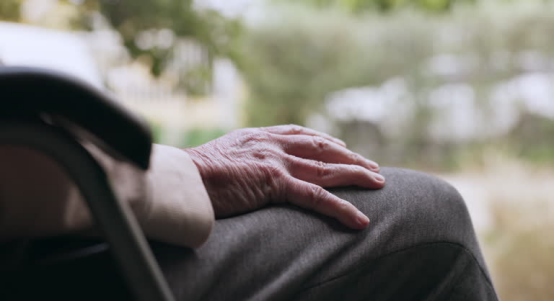
Aging was once viewed as an inevitable, linear decline—a slow erosion of physical and cognitive capabilities. However, modern longevity science has redefined this paradigm. We now distinguish between chronological age (the number of years since birth) and biological age (the functional state of your cells and organs). Emerging research and real-world case studies demonstrate that through precise lifestyle interventions, technological integration, and strategic health investments, it is possible not only to slow the aging process but to actively reverse it.
The Paradigm Shift: Understanding Biological vs. Chronological Age
The foundation of the “rejuvenation” movement lies in the understanding that our DNA is not a fixed destiny, but a dynamic blueprint influenced by epigenetics. Biological age reflects the internal wear and tear of the body, often measured through biomarkers such as DNA methylation (the “epigenetic clock”), telomere length, and inflammatory markers like C-reactive protein (CRP).
The Mechanisms of Cellular Aging
To reverse aging, one must address its root causes. These include genomic instability, where DNA damage accumulates over time, and mitochondrial dysfunction, where the powerhouses of our cells lose efficiency. By targeting these mechanisms, individuals can maintain high energy levels and cognitive clarity well into their later decades. Scientific legends and amateur biohackers alike have proven that tracking these metrics allows for a feedback loop that optimizes health in real-time.
- Epigenetic Modification: Using lifestyle factors to “turn off” disease-promoting genes and “turn on” longevity genes like SIRT1.
- Senescence Management: Identifying and clearing “zombie cells” that secrete inflammatory signals and damage neighboring healthy tissues.
- Proteostasis: Maintaining the quality and stability of proteins within the body to prevent neurodegenerative and systemic decline.

The Critical Threshold: Health Investment Before Age 45
Data suggests that the age of 45 serves as a biological “tipping point.” The health investments made before this milestone significantly determine the survival rate and quality of life in subsequent decades. This period is when the body’s natural repair mechanisms are still robust, making it the most cost-effective time to establish a physiological “buffer.”
Why 45 is the Longevity Pivot Point
During our 30s and early 40s, cumulative damage from stress, poor nutrition, and lack of movement begins to manifest at a sub-clinical level. Those who prioritize cardiovascular health, muscle mass retention, and metabolic flexibility before 45 see a drastic reduction in the risk of chronic diseases such as Type 2 diabetes, hypertension, and cardiovascular failure. It is essentially a “compounding interest” model for human biology.
| Investment Area | Impact on Longevity | Recommended Action Before 45 |
|---|---|---|
| Cardiovascular Base | Reduces stroke/heart attack risk by 60%+ | Establish a high VO2 Max through Zone 2 training. |
| Muscle Mass (Sarcopenia Prevention) | Essential for metabolic health and mobility | Prioritize progressive resistance training 3x weekly. |
| Metabolic Flexibility | Prevents insulin resistance and obesity | Implement intermittent fasting and low-glycemic eating. |

Precision Nutrition: Eating for Cellular Longevity
Dietary choices are the most frequent “inputs” we provide to our biological system. A scientific lifestyle for rejuvenation moves beyond simple calorie counting to nutrient density and hormetic signaling. This involves consuming compounds that mimic the effects of fasting and trigger cellular cleanup processes like autophagy.
The Anti-Aging Dietary Protocol
The core of an anti-aging diet focuses on reducing systemic inflammation while providing the building blocks for DNA repair. This includes a heavy emphasis on polyphenols, healthy fats, and high-quality proteins. Avoiding ultra-processed foods and refined sugars is non-negotiable, as these lead to advanced glycation end-products (AGEs), which literally “caramelize” and stiffen human tissues.
Key Nutritional Pillars
- Caloric Restriction and Fasting: Periodic fasting or Time-Restricted Feeding (TRF) triggers autophagy, the body’s way of recycling damaged cellular components.
- Sirtuin-Activating Foods (Sirtfoods): Incorporating dark chocolate, blueberries, walnuts, and green tea to activate the “longevity genes.”
- Glycemic Control: Maintaining stable blood sugar levels to prevent insulin spikes that accelerate the aging of the skin and internal organs.
- Supplements for Repair: Utilizing NAD+ precursors (like NMN or NR), Resveratrol, and CoQ10 to support mitochondrial energy production.

Exercise Physiology: The Ultimate Rejuvenation Tool
Physical activity is perhaps the most potent “drug” for longevity. It influences almost every hallmark of aging, from lengthening telomeres to improving insulin sensitivity. However, not all exercise is created equal when the goal is rejuvenation. A balanced protocol must address aerobic capacity, anaerobic power, and structural integrity.
The Triad of Longevity Fitness
To reverse biological age, one must engage in a combination of Low-Intensity Steady State (LISS) training, High-Intensity Interval Training (HIIT), and Strength Training. HIIT, in particular, has been shown to reverse age-related changes in muscle protein synthesis and mitochondrial function. Meanwhile, strength training ensures that the structural frame remains resilient, preventing the frailty often associated with advanced age.
Implementation Strategies
1. Zone 2 Endurance: 150–200 minutes per week of steady-state cardio where you can still hold a conversation. This builds mitochondrial density and fat-burning efficiency.
2. Resistance Training: Focusing on compound movements (squats, deadlifts, presses) to maintain bone mineral density and muscle mass, which acts as a “metabolic sink” for glucose.
3. Mobility and Stability: Incorporating yoga or functional movement to ensure the joints remain lubricated and the nervous system remains integrated with the muscular system.

Technological Interventions and Biohacking
While lifestyle forms the base of the pyramid, technology provides the edge. Midlife health strategies now include the use of wearable devices, advanced blood diagnostics, and even experimental therapies to monitor and adjust the body’s trajectory. Biohacking is the art and science of using these tools to take control of one’s own biology.
Monitoring and Diagnostics
You cannot manage what you do not measure. Continuous Glucose Monitors (CGMs), Oura rings, and WHOOP straps provide real-time data on how your body responds to specific foods, stressors, and sleep patterns. Advanced blood panels that look at ApoB (for heart health), HbA1c (for long-term blood sugar), and various hormones allow for “precision medicine” tailored to the individual’s unique needs.
Emerging Longevity Technologies
- Photobiomodulation (Red Light Therapy): Using specific wavelengths of light to stimulate mitochondrial ATP production and reduce skin aging.
- Hyperbaric Oxygen Therapy (HBOT): Increasing oxygen pressure to stimulate stem cell release and repair damaged tissues.
- Cold and Heat Stress: Utilizing saunas (heat shock proteins) and cold plunges (cold shock proteins) to enhance immune function and metabolic rate.

Case Studies in Rejuvenation: From Amateurs to Legends
The possibility of age reversal is best illustrated through those who have successfully achieved it. From “Lisa,” an anti-aging legend who utilized scientific methods to maintain a physiological age decades younger than her chronological one, to amateur biohackers who have documented their journey of reducing their biological age by 5-10 years in a single 12-month period.
Lessons from the Field
These success stories share common threads: extreme consistency, a data-driven approach, and a willingness to experiment. One amateur strategy involved a strict “Longevity Protocol” that combined vegan-leaning keto, 10 hours of weekly exercise, and a suite of supplements targeted at DNA repair. The result was a documented shift in DNA methylation markers, proving that the body is highly plastic and responsive to the right environment.
Lisa’s approach emphasized the “holistic-scientific” blend—balancing aggressive technological interventions with deep, restorative sleep and a meditative practice to manage cortisol. This multi-dimensional approach ensures that the body isn’t just “pushed” to perform, but “nurtured” to repair.

Conclusion: Building Your Personal Longevity Architecture
Reversing aging is not about a single “magic pill.” It is a comprehensive architecture of habits, investments, and technologies. By starting before the age of 45, focusing on nutrient-dense dietary protocols, engaging in multi-modal exercise, and leveraging modern diagnostic tools, anyone can rewrite their biological future. The goal is not just to live longer, but to live “younger” for as long as possible, maintaining the vitality, strength, and mental acuity required to enjoy the extra years science has granted us.
Frequently Asked Questions (FAQ)
- Q1: Can biological age really be reversed, or just slowed down?
- Scientific evidence, including studies on DNA methylation clocks, suggests that biological age can indeed be reversed. Through aggressive lifestyle changes—such as optimizing nutrition, increasing HIIT exercise, and managing stress—individuals have successfully “wound back” their biological clocks, showing cellular markers of someone much younger than their chronological age.
- Q2: Why is the age of 45 considered so critical for health investment?
- Age 45 is often when the cumulative effects of aging begin to accelerate and manifest as chronic disease. Investing in health before this point builds “physiological reserve.” Statistically, those with higher cardiovascular fitness and muscle mass at 45 have significantly higher survival rates and lower healthcare costs in their 60s and 70s.
- Q3: What are the most effective supplements for anti-aging?
- While supplements should supplement a good diet, the most researched for longevity include NAD+ precursors (NMN/NR) for cellular energy, Resveratrol for sirtuin activation, Spermidine for autophagy, and Vitamin D3/K2 for bone and immune health. Always consult a professional before beginning a high-level supplement protocol.
- Q4: How does sleep impact the rejuvenation process?
- Sleep is the primary period for brain detoxification (via the glymphatic system) and cellular repair. Lack of sleep spikes cortisol and inhibits growth hormone release, which accelerates skin aging and cognitive decline. For rejuvenation, 7-9 hours of high-quality, consistent sleep is a foundational requirement.
- Q5: Do I need expensive technology to start biohacking?
- No. The most effective “biohacks” are free: intermittent fasting, cold showers, walking, and sunlight exposure. Technology like CGMs or Oura rings are excellent for fine-tuning, but 80% of the results come from the consistent application of basic scientific lifestyle principles.