The quest for eternal youth has transitioned from the realm of alchemy into the rigorous halls of biotechnology and molecular biology. Today, we stand at a pivotal moment where aging is no longer viewed as an inevitable decline but as a complex biological “program” that can be hacked, slowed, and potentially reversed. By integrating disparate fields such as hematology, nutritional science, and genetic engineering, researchers are developing a multi-modal approach to longevity that targets the very foundations of cellular decay.
Therapeutic Plasma Exchange (TPE) and the Mechanics of Blood Rejuvenation
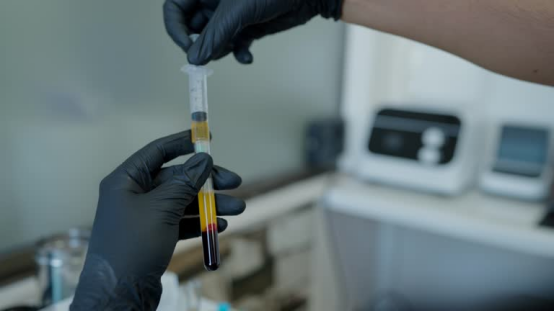
Therapeutic Plasma Exchange, or TPE, represents one of the most promising “systemic” interventions in anti-aging medicine. Originally designed to treat autoimmune disorders by removing harmful antibodies, TPE is now being scrutinized for its ability to “reset” the systemic environment of the human body. The logic stems from heterochronic parabiosis studies, which demonstrated that circulating factors in young blood could rejuvenate old tissues, while old blood could accelerate aging in young subjects.
The “Dilution” Theory of Aging
Modern research suggests that the benefits of TPE may not come from adding “young” factors, but rather from the dilution of pro-inflammatory cytokines and senescent cell-associated proteins that accumulate in the blood over time. By removing a portion of the patient’s plasma and replacing it with a combination of saline and purified albumin, the procedure effectively lowers the concentration of “aging signals” that tell cells to stop dividing or trigger systemic inflammation.
- Systemic Detoxification: TPE clears metabolic waste products and inflammatory markers like IL-6 and TNF-alpha.
- Albumin Replacement: The use of fresh albumin provides antioxidant and anti-inflammatory benefits, as albumin is a primary carrier protein that often becomes damaged (carbonylated) with age.
- Tissue Regeneration: By lowering the “inhibitory” environment of old blood, the body’s endogenous stem cells may become more active in repairing damaged organs.

Spermidine: Activating Autophagy for Cellular Self-Renewal
While TPE works at the systemic level, Spermidine operates at the intracellular level. This naturally occurring polyamine has gained significant attention in the biohacking and celebrity longevity communities due to its potent ability to induce autophagy. Autophagy is the body’s internal recycling system, where cells identify and break down damaged components—such as misfolded proteins and dysfunctional mitochondria—to create energy and new building blocks.
Biological Mechanisms and Dietary Sources
As we age, our natural levels of Spermidine decline, leading to a reduction in autophagic efficiency. This decline is linked to various age-related pathologies, including neurodegeneration and cardiovascular stiffness. Supplementing with Spermidine or consuming foods rich in this compound can help maintain cellular “cleanliness.”
| Food Source | Spermidine Content (mg/kg) | Key Benefits |
|---|---|---|
| Wheat Germ | 240 – 350 | Highest concentration; supports heart health. |
| Aged Cheese | 200 – 300 | Rich in polyamines; supports metabolic health. |
| Soybeans (Natto) | 150 – 200 | High bioavailability; supports cognitive function. |
| Mushrooms | 50 – 100 | Immune support and cellular protection. |
Beyond simple recycling, Spermidine has been shown to protect DNA from oxidative stress and stabilize the epigenome. Clinical observations suggest that individuals with higher dietary intake of Spermidine exhibit lower blood pressure and a significantly reduced risk of heart failure, making it a cornerstone of nutritional longevity strategies.

Gene Repair and Epigenetic Reprogramming: Rewriting the Code of Life
The most radical frontier of longevity science lies in our ability to directly manipulate the genome and the epigenome. Aging is fundamentally a result of DNA damage and the “loss of cellular identity.” Over time, the chemical tags on our DNA (epigenetic marks) shift, causing a heart cell to lose its specific function or a skin cell to stop regenerating. Gene repair technologies aim to fix these errors at the source.
CRISPR and the Yamanaka Factors
The advent of CRISPR-Cas9 has made precise gene editing a reality, allowing scientists to target and repair mutations that accelerate aging. However, the even more exciting development is epigenetic reprogramming. By introducing specific transcription factors—known as Yamanaka Factors (Oct4, Sox2, Klf4, and c-Myc)—researchers have successfully “rebooted” the biological clocks of cells in laboratory settings.
- Telomere Extension: Gene therapies targeting telomerase reverse transcriptase (TERT) aim to lengthen the protective caps on chromosomes, potentially extending the replicative lifespan of cells.
- Senolytic Gene Therapy: Engineering the body to produce proteins that selectively kill “zombie” (senescent) cells, which otherwise secrete toxins and damage neighboring healthy tissue.
- DNA Damage Repair: Enhancing the expression of SIRT6 and other “longevity genes” that coordinate the repair of double-strand breaks in DNA.

Artificial Intelligence and Nanotechnology: The Future of Radical Lifespan Extension
The integration of technology and biology is accelerating the pace of discovery. Artificial Intelligence (AI) is now being used to screen millions of compounds to find new anti-aging drugs, a process that used to take decades. AI models can analyze a person’s “biological age” using blood markers and facial scans, providing personalized interventions that were previously impossible.
Nanomedicine and Cellular Robotics
In the coming decades, nanotechnology may allow us to move beyond biological limitations. Concepts once relegated to science fiction, such as nanobots that travel through the bloodstream to repair cellular damage or clear arterial plaque, are currently in early development stages. These microscopic machines could potentially perform “surgery” at the molecular level, ensuring that the body remains in a state of perpetual maintenance.
Furthermore, the “Internet of Bodies” (IoB) will involve wearable and implantable sensors that monitor our biomarkers in real-time. This data-driven approach allows for the immediate adjustment of diet, supplements, or medical treatments to counteract any signs of biological decline before they manifest as disease.

The Socio-Economic Shift of the Longevity Economy
As these technologies mature, they will fundamentally reshape society. The “Longevity Economy” is emerging as a massive sector, as people seek not just to live longer, but to remain productive and healthy well into their 90s and 100s. This shift requires a move from “sick care”—treating symptoms—to “preventative optimization.”
Key aspects of this transition include:
- Personalized Medicine: Moving away from “one-size-fits-all” treatments toward genetic-based protocols.
- Extended Careers: A healthier aging population may choose to work longer, contributing wisdom and experience to the economy for decades more than previous generations.
- Healthcare Savings: By delaying the onset of age-related diseases like Alzheimer’s and cancer, the global healthcare burden could be drastically reduced.

Conclusion: Synthesizing a Personal Longevity Strategy
The future of longevity is not found in a single “silver bullet” but in the synergy of multiple breakthroughs. While TPE offers a systemic reset and Spermidine provides cellular maintenance, gene repair and AI-driven technologies offer the ultimate promise of biological control. Achieving radical longevity requires a proactive stance: monitoring biological markers, adopting evidence-based nutritional interventions, and staying informed about the rapid advancements in regenerative medicine. We are the first generation in history that may have the tools to choose how—and for how long—we age.
Frequently Asked Questions (FAQ)
- Q1: Is Therapeutic Plasma Exchange (TPE) safe for healthy individuals?
- TPE is a common medical procedure with a long history of safety. However, when used for anti-aging, it must be performed under strict medical supervision. Potential risks include temporary electrolyte imbalances or reactions to the replacement fluid (albumin), but for most, it is a well-tolerated outpatient procedure.
- Q2: How much Spermidine should I take to see benefits?
- Most clinical trials use dosages ranging from 1mg to 10mg of supplemental Spermidine per day. However, a diet rich in whole foods like wheat germ and fermented soy can often provide sufficient amounts to support natural autophagy.
- Q3: Can gene repair actually reverse my biological age?
- In laboratory models (mice and human cell cultures), epigenetic reprogramming has successfully reversed biological age markers. While human therapies are still in clinical trials, the goal is to “wind back” the epigenetic clock, effectively making tissues function as they did years or decades earlier.
- Q4: When will AI-driven longevity treatments be available to the public?
- Many are already here. AI is currently used in personalized nutrition apps and to analyze “aging clocks” from blood tests. More advanced AI-designed drugs are currently in various stages of FDA clinical trials and could be available within the next 5 to 10 years.
- Q5: Does longevity science mean we will live forever?
- The current goal is not “immortality” but “healthspan extension”—ensuring that the period of life spent in good health is as long as possible. However, radical lifespan extension (living to 120+) is becoming a scientifically plausible target as these technologies converge.