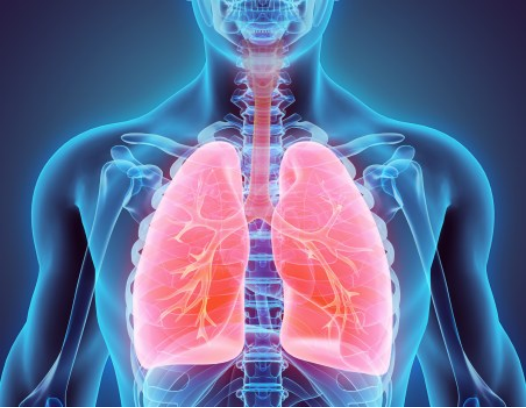
Understanding the Respiratory System: An Overview
The respiratory system is one of the most fundamental and vital systems in the human body, responsible for the crucial process of gas exchange. Its primary function is to take in oxygen from the atmosphere, transport it to the bloodstream, and release carbon dioxide, a waste product of metabolism, back into the air. Without a functioning respiratory system, life as we know it would cease within minutes. This intricate network of organs and tissues extends from the nasal passages down to the microscopic air sacs in the lungs, working seamlessly to sustain every cell in the body.
The ‘why’ behind this complex system lies in the energetic demands of our cells. Every cell requires a constant supply of oxygen to perform cellular respiration, the process that generates adenosine triphosphate (ATP) – the body’s energy currency. Simultaneously, cellular respiration produces carbon dioxide, which must be efficiently removed to prevent toxic buildup and maintain the body’s pH balance. Historically, the evolution of complex multicellular organisms necessitated specialized systems for gas exchange, moving beyond simple diffusion to meet the needs of larger, more active bodies. Understanding its architecture and operational details is key to appreciating its paramount importance to our overall health and well-being.

Anatomy of the Respiratory System: The Core Organs
The human respiratory system is a marvel of biological engineering, composed of a series of interconnected organs that facilitate the journey of air. These organs are broadly categorized into the upper and lower respiratory tracts, each playing a distinct yet collaborative role in breathing and gas exchange.
The Upper Respiratory Tract: Initial Airway
This section is responsible for filtering, warming, and humidifying the air before it reaches the delicate lungs. It includes:
- Nose and Nasal Cavity: The primary entry point for air. Hairs (vibrissae) and mucus trap dust and pathogens, while a rich blood supply warms the incoming air. The conchae increase surface area for conditioning.
- Pharynx (Throat): A shared pathway for both air and food, divided into the nasopharynx, oropharynx, and laryngopharynx. It connects the nasal cavity and mouth to the larynx and esophagus.
- Larynx (Voice Box): Situated below the pharynx, it contains the vocal cords responsible for sound production. The epiglottis, a flap of cartilage, prevents food from entering the trachea during swallowing.
The Lower Respiratory Tract: The Gas Exchange Hub
This part of the system is dedicated to conducting air to the lungs and facilitating gas exchange.
- Trachea (Windpipe): A rigid tube supported by C-shaped cartilage rings, preventing collapse. It extends from the larynx into the chest cavity, where it branches.
- Bronchi: The trachea divides into two primary bronchi, one for each lung. These further branch into smaller secondary and tertiary bronchi, resembling an inverted tree (the bronchial tree).
- Bronchioles: These are even smaller airways that lack cartilage and are primarily composed of smooth muscle, allowing for regulation of airflow.
- Alveoli: The microscopic air sacs at the end of the bronchioles. These are the primary sites of gas exchange, surrounded by a dense network of capillaries. The thin walls of the alveoli and capillaries facilitate rapid diffusion of oxygen into the blood and carbon dioxide out of it.
- Lungs: The main organs of respiration, housing the bronchial tree, bronchioles, and alveoli. The right lung has three lobes, while the left has two, accommodating the heart. They are encased by a double-layered pleural membrane, which reduces friction during breathing.
The Mechanics of Breathing: Inhalation and Exhalation
Breathing, or pulmonary ventilation, is the physical process of moving air into and out of the lungs. This process is driven by changes in pressure within the thoracic cavity, orchestrated by the diaphragm and intercostal muscles. Understanding these mechanics is crucial to comprehending how we effortlessly take thousands of breaths a day.
Inhalation (Inspiration): Drawing Air In
Inhalation is an active process that requires muscular contraction. The primary muscles involved are:
- Diaphragm: A large, dome-shaped muscle located at the base of the lungs. When it contracts, it flattens and moves downwards, increasing the vertical dimension of the thoracic cavity.
- External Intercostal Muscles: Located between the ribs, these muscles contract to pull the rib cage upwards and outwards, increasing the anterior-posterior and lateral dimensions of the thoracic cavity.
Procedure with Tips:
- Muscle Contraction: The diaphragm and external intercostals contract simultaneously.
- Thoracic Cavity Expansion: This contraction leads to an increase in the volume of the thoracic cavity.
- Pressure Drop: As volume increases, the intrapulmonary (within the lungs) pressure drops below atmospheric pressure (Boyle’s Law).
- Air Inflow: Air flows from the higher atmospheric pressure into the lower pressure within the lungs until the pressures equalize.
Common Pitfalls: Shallow breathing, often due to stress or poor posture, can limit diaphragmatic movement, reducing lung capacity and oxygen intake. Deep belly breathing, where the abdomen expands, indicates proper diaphragmatic engagement.
Exhalation (Expiration): Releasing Air Out
Under normal, quiet breathing, exhalation is primarily a passive process.
Procedure with Tips:
- Muscle Relaxation: The diaphragm and external intercostal muscles relax.
- Thoracic Cavity Contraction: The elastic recoil of the lungs and chest wall causes the thoracic cavity to decrease in volume.
- Pressure Increase: As volume decreases, intrapulmonary pressure rises above atmospheric pressure.
- Air Outflow: Air flows from the higher pressure in the lungs out into the atmosphere until pressures equalize.
Common Pitfalls: Forced exhalation, such as during exercise or coughing, involves the active contraction of internal intercostal muscles and abdominal muscles, which pull the rib cage down and inward and push the diaphragm upward, further decreasing thoracic volume.
Gas Exchange: The Essence of Respiration
The ultimate purpose of breathing is to facilitate gas exchange, a process that occurs primarily in the alveoli of the lungs and then again at the cellular level throughout the body. This critical function relies on the principle of diffusion, where gases move from an area of higher partial pressure to an area of lower partial pressure.
External Respiration: At the Lungs
This is the exchange of gases between the alveoli and the pulmonary capillaries. When deoxygenated blood arrives at the lungs:
- Oxygen Diffusion: The partial pressure of oxygen (PO2) is higher in the alveolar air than in the deoxygenated blood in the capillaries. Therefore, oxygen diffuses rapidly across the alveolar and capillary membranes into the blood.
- Carbon Dioxide Diffusion: Conversely, the partial pressure of carbon dioxide (PCO2) is higher in the deoxygenated blood than in the alveolar air. Carbon dioxide diffuses from the blood into the alveoli to be exhaled.
The efficiency of this process is maximized by the vast surface area of the alveoli (estimated at 70-100 square meters), the thinness of the respiratory membrane (0.2 to 0.6 micrometers), and the rich blood supply to the lungs.
Internal Respiration: At the Tissues
This is the exchange of gases between the systemic capillaries and the body’s tissues. When oxygenated blood reaches the tissues:
- Oxygen Diffusion: The partial pressure of oxygen is higher in the arterial blood than in the metabolically active tissue cells. Oxygen diffuses from the blood into the cells, where it is used for cellular respiration.
- Carbon Dioxide Diffusion: Tissue cells continuously produce carbon dioxide, making its partial pressure higher in the tissues than in the blood. Carbon dioxide diffuses from the cells into the blood, where it is transported back to the lungs.
This continuous cycle ensures that all cells receive the oxygen they need and waste carbon dioxide is effectively removed, maintaining cellular function and overall homeostasis.
Common Respiratory Conditions and Their Impact
The respiratory system, despite its robustness, is susceptible to a range of conditions that can impair its function and significantly impact quality of life. These conditions can range from acute infections to chronic diseases, each with distinct causes, symptoms, and management strategies.
Infections and Inflammations
- Common Cold: A viral infection of the upper respiratory tract, characterized by sneezing, runny nose, and sore throat.
- Influenza (Flu): A more severe viral infection, often accompanied by fever, body aches, and fatigue, affecting both upper and lower respiratory tracts.
- Bronchitis: Inflammation of the bronchial tubes, often caused by viral infections, leading to cough and mucus production. Chronic bronchitis is a form of COPD.
- Pneumonia: An infection that inflames the air sacs in one or both lungs, which may fill with fluid or pus. It can be bacterial, viral, or fungal.
Chronic Respiratory Diseases
- Asthma: A chronic condition characterized by inflammation and narrowing of the airways, leading to recurrent episodes of wheezing, shortness of breath, chest tightness, and coughing. Triggers can include allergens, exercise, or cold air.
- Chronic Obstructive Pulmonary Disease (COPD): A progressive lung disease that blocks airflow, making it difficult to breathe. It encompasses emphysema (damage to alveoli) and chronic bronchitis. Smoking is the leading cause.
- Cystic Fibrosis (CF): A genetic disorder that causes thick, sticky mucus to build up in the lungs, pancreas, and other organs, leading to frequent lung infections and digestive problems.
- Sleep Apnea: A condition where breathing repeatedly stops and starts during sleep, leading to fragmented sleep and potential cardiovascular complications.
Maintaining Optimal Respiratory Health: Proactive Steps
Given the critical role of the respiratory system, adopting proactive measures to maintain its health is paramount. Many lifestyle choices and environmental factors can profoundly affect lung function over time.
Lifestyle and Environmental Factors
- Avoid Smoking and Secondhand Smoke: Smoking is the single most significant risk factor for lung disease, including COPD, lung cancer, and emphysema. Avoiding all forms of tobacco and exposure to secondhand smoke is crucial.
- Regular Physical Activity: Exercise strengthens the respiratory muscles, improves lung capacity, and enhances the efficiency of gas exchange. Even moderate activity can make a significant difference.
- Maintain a Healthy Diet: A diet rich in fruits, vegetables, and antioxidants can help protect lung tissues from damage and reduce inflammation.
- Stay Hydrated: Adequate water intake helps keep the mucus lining in the airways thin and easily cleared, preventing blockages.
- Minimize Exposure to Pollutants: Avoid areas with high air pollution, chemical fumes, and dust. Use air purifiers at home if necessary and ensure good ventilation in workplaces.
- Practice Good Hygiene: Frequent hand washing and avoiding close contact with sick individuals can reduce the risk of respiratory infections.
- Get Vaccinated: Annual flu shots and pneumonia vaccines (if recommended by a doctor) can prevent serious respiratory illnesses.
Expert Advice for Lung Longevity
Beyond the basics, integrating specific practices and being aware of subtle signs can significantly contribute to long-term respiratory health. These expert insights can empower individuals to take a more proactive role in safeguarding their lungs.
Pro Tips for Respiratory Wellness
- Deep Breathing Exercises: Regularly practice diaphragmatic or belly breathing. This strengthens the diaphragm, improves lung capacity, and can reduce stress. Techniques like pursed-lip breathing can also help those with conditions like COPD manage shortness of breath.
- Monitor Indoor Air Quality: Invest in a good air filter for your home’s HVAC system and consider indoor plants that can naturally filter air. Be mindful of pollutants from cleaning products, candles, and cooking fumes.
- Regular Check-ups and Early Detection: Don’t ignore persistent coughs, shortness of breath, or chest discomfort. Early diagnosis of respiratory conditions can lead to more effective treatment and better outcomes. Discuss your family history of lung disease with your doctor.
- Humidify Dry Environments: In arid climates or during dry seasons, using a humidifier can prevent your airways from drying out, which can irritate the respiratory lining and make you more susceptible to infections.
- Posture Awareness: Slouching compresses the lungs and restricts full expansion. Maintaining good posture, especially while sitting, allows for optimal lung capacity and efficient breathing.
Prioritizing lung health is not just about avoiding illness; it’s about enhancing vitality and ensuring a sustained quality of life. By integrating these expert recommendations, individuals can build resilience in their respiratory system and breathe easier for years to come.
Key Components of Respiratory Health
| Component | Description | Impact on Health |
|---|---|---|
| Air Quality | Purity of inhaled air (low pollutants, allergens). | Directly affects lung inflammation and disease risk. High quality reduces burden. |
| Physical Activity | Regular aerobic exercise. | Strengthens respiratory muscles, improves lung capacity & efficiency. |
| Hydration | Adequate water intake. | Keeps mucus thin for easier clearance, preventing blockages. |
| Nutrition | Diet rich in antioxidants, vitamins. | Protects lung cells from oxidative stress and inflammation. |
| Hygiene | Hand washing, avoiding sick contacts. | Reduces exposure to pathogens causing respiratory infections. |
| Avoidance of Toxins | No smoking, avoiding secondhand smoke, chemical fumes. | Prevents direct damage to lung tissue and development of chronic diseases. |
Frequently Asked Questions (FAQ)
- What is the primary function of the respiratory system?
- The primary function of the respiratory system is to facilitate gas exchange between the body and the external environment. This involves taking in oxygen (O2), which is essential for cellular energy production, and expelling carbon dioxide (CO2), a waste product of metabolism, to maintain the body’s pH balance and prevent toxicity.
- How does breathing actually work?
- Breathing works through changes in air pressure within the lungs, driven by the diaphragm and intercostal muscles. During inhalation, these muscles contract, increasing the volume of the chest cavity and causing lung pressure to drop below atmospheric pressure, drawing air in. During exhalation, the muscles relax, decreasing chest cavity volume, which increases lung pressure above atmospheric pressure, pushing air out.
- What are the main organs involved in the respiratory system?
- The main organs of the respiratory system include the nose and nasal cavity, pharynx (throat), larynx (voice box), trachea (windpipe), bronchi, bronchioles, and the lungs, which contain millions of tiny air sacs called alveoli where gas exchange primarily occurs.
- Can lifestyle choices significantly impact lung health?
- Absolutely. Lifestyle choices have a profound impact on lung health. Avoiding smoking and secondhand smoke is critical. Regular exercise strengthens respiratory muscles, a healthy diet provides protective nutrients, and minimizing exposure to air pollutants can prevent damage and reduce the risk of chronic respiratory diseases.
- What are some common signs of a respiratory problem that warrant a doctor’s visit?
- Common signs of a respiratory problem include persistent cough (lasting more than a few weeks), shortness of breath (dyspnea) especially during light activity, wheezing, chest pain or tightness, frequent respiratory infections, and coughing up blood or discolored mucus. Any of these symptoms should prompt a consultation with a healthcare professional.