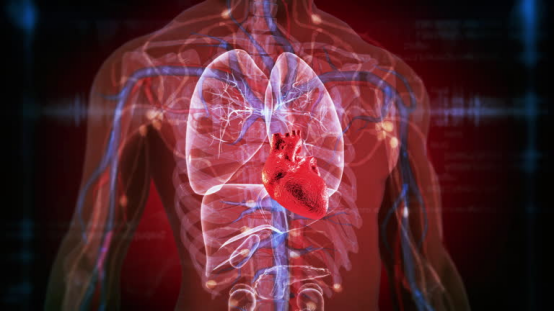
The human body is a marvel of biological engineering, and at its very core lies the cardiovascular system, also known as the circulatory system. This intricate and relentless network is the body’s primary transport and power grid, responsible for sustaining every cell, tissue, and organ. It functions as a sophisticated delivery and waste removal service, ensuring that vital substances like oxygen and nutrients reach their destinations while metabolic byproducts are efficiently carried away. Understanding this system is fundamental to appreciating human physiology and the importance of maintaining a healthy lifestyle. From the powerful, rhythmic beat of the heart to the microscopic exchange in the tiniest capillaries, the cardiovascular system is the engine that drives life itself.
The Core Components of the Circulatory System
The circulatory system is comprised of three primary components working in perfect harmony: the heart, an extensive network of blood vessels, and the blood itself. Each element plays an indispensable role in the system’s continuous and life-sustaining operation. Failure or inefficiency in any one of these components can have profound effects on the entire body.
The Heart: The Central Pump
The heart is a muscular organ that acts as the system’s central pump. Located in the chest, slightly to the left of the sternum, this powerhouse beats approximately 100,000 times a day, propelling blood throughout the body. It is divided into four chambers:
- Right Atrium: Receives deoxygenated blood returning from the body.
- Right Ventricle: Pumps the deoxygenated blood to the lungs for oxygenation.
- Left Atrium: Receives oxygen-rich blood from the lungs.
- Left Ventricle: The strongest chamber, it pumps oxygenated blood out to the rest of the body.
A series of four valves (tricuspid, pulmonary, mitral, and aortic) ensure that blood flows in only one direction through the heart, preventing backflow and maintaining the efficiency of each pump. This coordinated contraction and relaxation, known as the cardiac cycle, is what creates the pressure needed to circulate blood.
Blood Vessels: The Extensive Highway Network
Blood vessels form a vast network of tubes that transport blood to every part of the body. If laid end-to-end, an adult’s blood vessels would stretch for over 60,000 miles. There are three main types of blood vessels:
- Arteries: These are strong, muscular vessels that carry oxygenated blood away from the heart. The aorta is the largest artery in the body. Arteries branch into smaller vessels called arterioles.
- Veins: These vessels carry deoxygenated blood back to the heart. They have thinner walls than arteries and contain valves to prevent blood from flowing backward, especially in the limbs. Veins are formed from the convergence of smaller vessels called venules.
- Capillaries: These are the smallest and most numerous blood vessels, forming a microscopic network that connects arterioles and venules. Their walls are only one cell thick, which allows for the efficient exchange of oxygen, nutrients, carbon dioxide, and waste products between the blood and the body’s cells.
Blood: The Fluid of Life
Blood is the specialized fluid that carries out the transport functions of the circulatory system. The average adult has about 5 liters of blood, which consists of several key components suspended in a liquid matrix called plasma.
- Red Blood Cells (Erythrocytes): These cells are responsible for transporting oxygen. They contain a protein called hemoglobin, which binds to oxygen in the lungs and releases it in tissues throughout the body.
- White Blood Cells (Leukocytes): These are a critical part of the immune system, defending the body against infection and disease.
- Platelets (Thrombocytes): These are small cell fragments that play a vital role in blood clotting, preventing excessive bleeding from injuries.
- Plasma: This yellowish fluid makes up about 55% of blood volume. It carries blood cells, hormones, nutrients, and waste products.

How the Circulatory System Works: Two Key Circuits
The circulation of blood is not a single, meandering path but a highly organized double-loop system. This “double circulation” involves two distinct circuits that originate from the heart: the pulmonary circuit and the systemic circuit. This design ensures that deoxygenated blood is kept separate from oxygenated blood and that blood pressure is maintained at optimal levels for efficient transport.
The Pulmonary Circuit: The Path to Oxygenation
The primary goal of the pulmonary circuit is to oxygenate the blood. This journey is a short loop between the heart and the lungs. The process unfolds in a precise sequence:
- Deoxygenated blood, rich in carbon dioxide, returns from the body and enters the right atrium of the heart.
- The right atrium contracts, pushing the blood through the tricuspid valve into the right ventricle.
- The powerful right ventricle contracts, pumping the deoxygenated blood through the pulmonary valve and into the pulmonary artery, which leads directly to the lungs.
- In the lungs, the blood flows through a dense network of capillaries surrounding the alveoli (air sacs). Here, carbon dioxide is released from the blood and oxygen is absorbed.
- The newly oxygenated blood then travels back to the heart via the pulmonary veins, entering the left atrium.
The Systemic Circuit: Delivering Power to the Body
Once the blood is oxygenated, the systemic circuit begins its mission to deliver this oxygen and other vital nutrients to every cell in the body. This is a much larger and more extensive circuit. The steps are as follows:
- Oxygen-rich blood from the left atrium is pushed through the mitral valve into the left ventricle, the heart’s strongest chamber.
- The left ventricle contracts with immense force, pumping the oxygenated blood through the aortic valve into the aorta, the body’s main artery.
- The aorta branches into a complex network of smaller arteries and arterioles, delivering blood to the head, arms, abdomen, and legs—reaching all organ systems and tissues.
- In the body’s capillary beds, oxygen and nutrients are released into the cells, and waste products like carbon dioxide are picked up.
- This deoxygenated blood now begins its return journey, flowing from the capillaries into venules and then into larger veins.
- Ultimately, the major veins (the superior and inferior vena cava) carry the deoxygenated blood back to the right atrium of the heart, completing the circuit and preparing to enter the pulmonary circuit once more.

The Vital Functions of the Cardiovascular System
The cardiovascular system’s role extends far beyond simple transport. It is integral to numerous physiological processes that are essential for survival, homeostasis, and overall health. Its functions are diverse and interconnected, highlighting its central importance in the body’s operation.
Nutrient and Oxygen Delivery
The most fundamental function is the delivery of oxygen from the lungs and nutrients from the digestive system to all living cells. Cells require a constant supply of these substances to perform cellular respiration, the process that generates ATP—the energy currency of the cell. Without this constant delivery, cells would quickly cease to function and die.
Waste Product Removal
As cells produce energy, they also generate metabolic waste products. The circulatory system acts as a waste disposal service, picking up substances like carbon dioxide, urea, and lactic acid. It transports carbon dioxide to the lungs to be exhaled and directs other waste products to the kidneys and liver for filtration and excretion from the body.
Hormonal Regulation and Communication
The cardiovascular system is a key communication network for the endocrine system. Hormones, which are chemical messengers, are released into the bloodstream and transported to target organs and tissues. This allows for the regulation of countless bodily functions, including growth, metabolism, and mood, over long distances.
Thermoregulation: Maintaining Body Temperature
The body must maintain a stable internal temperature, and the circulatory system plays a crucial role in this process. Blood absorbs and distributes heat throughout the body. To cool down, blood vessels near the skin’s surface can widen (vasodilation), allowing more heat to escape. To conserve heat, these vessels can narrow (vasoconstriction), reducing blood flow to the skin.
Immune System Support
The circulatory system is the highway for the immune system. It transports white blood cells and antibodies to sites of infection or injury, enabling a rapid and effective response to pathogens. This swift mobilization is critical for fighting off diseases and repairing damaged tissue.

Maintaining Cardiovascular Health: Best Practices
A healthy cardiovascular system is a cornerstone of overall well-being and longevity. While genetics can play a role, lifestyle choices have a profound impact on heart and circulatory health. Adopting proactive, healthy habits can significantly reduce the risk of cardiovascular diseases such as heart attack, stroke, and hypertension.
The Role of Diet and Nutrition
What you eat directly affects your heart. A heart-healthy diet is rich in fruits, vegetables, whole grains, lean proteins, and healthy fats. Key nutritional strategies include:
- Limiting Saturated and Trans Fats: Found in red meat, full-fat dairy, and processed foods, these fats can raise levels of LDL (“bad”) cholesterol, leading to plaque buildup in arteries (atherosclerosis).
- Increasing Omega-3 Fatty Acids: Found in fatty fish like salmon, walnuts, and flaxseeds, these fats can help lower blood pressure and reduce inflammation.
- Reducing Sodium Intake: High sodium levels can contribute to high blood pressure. Avoid processed foods and limit added salt.
- Boosting Fiber: Soluble fiber, found in oats, beans, and apples, can help lower cholesterol levels.
The Importance of Regular Physical Activity
The heart is a muscle, and like any muscle, it benefits from exercise. Regular physical activity strengthens the heart, improves circulation, helps maintain a healthy weight, and can lower blood pressure and cholesterol. Aim for at least 150 minutes of moderate-intensity aerobic exercise (like brisk walking or cycling) or 75 minutes of vigorous-intensity exercise (like running or swimming) per week, along with muscle-strengthening activities on two or more days.
Managing Stress and Getting Adequate Sleep
Chronic stress can lead to high blood pressure and other cardiovascular problems. Finding healthy ways to manage stress, such as through mindfulness, yoga, or hobbies, is crucial. Similarly, quality sleep is vital for heart health. During sleep, the body repairs itself, and blood pressure naturally drops. Aim for 7-9 hours of quality sleep per night to support cardiovascular function.
Avoiding Harmful Habits
Certain habits are particularly damaging to the cardiovascular system. Smoking is one of the most significant risk factors for heart disease, as it damages the lining of the arteries, increases blood pressure, and reduces the amount of oxygen in the blood. Likewise, excessive alcohol consumption can raise blood pressure, contribute to weight gain, and lead to an irregular heartbeat. Avoiding tobacco and drinking alcohol in moderation are critical steps for protecting your heart.
Frequently Asked Questions (FAQ)
- What is the difference between the cardiovascular and circulatory systems?
- The terms are often used interchangeably, but there’s a subtle distinction. The cardiovascular system technically refers only to the heart (cardio) and the blood vessels (vascular). The circulatory system is a broader term that includes the heart, blood vessels, and the blood itself. For most practical purposes, they refer to the same network.
- What is blood pressure and what do the numbers mean?
- Blood pressure is the force of blood pushing against the walls of your arteries. It is recorded as two numbers. The top number, systolic pressure, measures the pressure in your arteries when your heart beats. The bottom number, diastolic pressure, measures the pressure in your arteries when your heart rests between beats. A healthy blood pressure is typically considered to be below 120/80 mmHg.
- How does the heart beat on its own?
- The heart has its own electrical system that causes it to beat. This is known as cardiac conduction. The impulse starts in a group of cells called the sinoatrial (SA) node, often called the heart’s natural pacemaker. This electrical signal spreads through the atria, causing them to contract, and then travels to the ventricles, causing them to contract. This intrinsic system allows the heart to beat automatically without direct signals from the brain.
- What are the most common cardiovascular diseases?
- The most common cardiovascular diseases include Coronary Artery Disease (CAD), which involves the narrowing of arteries that supply blood to the heart muscle; Heart Failure, where the heart can’t pump blood as well as it should; Stroke, which occurs when blood supply to part of the brain is interrupted; and Hypertension (high blood pressure), which increases the risk for heart attack and stroke.