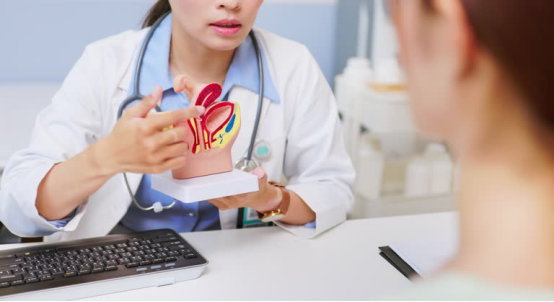
The human reproductive system is a marvel of biological engineering, serving as the fundamental mechanism for the continuation of our species. Far more than just a collection of organs, it is a complex interplay of anatomy, physiology, and intricate hormonal signals that orchestrate the most profound event in biology: the creation of new life. This pillar page offers an exhaustive exploration of this vital system, dissecting its components, functions, and the delicate balance required for successful reproduction and overall well-being. From the precise development of gametes to the intricate dance of fertilization and early embryonic growth, understanding the reproductive system is key to comprehending human life itself and the imperative of maintaining its health.
Understanding the Female Reproductive System
The female reproductive system is uniquely designed for the production of ova (eggs), the reception of sperm, fertilization, and the gestation of a fetus. It is a highly dynamic system, undergoing cyclical changes regulated by a complex hormonal cascade, primarily driven by the brain’s pituitary gland and the ovaries themselves. Its components are both internal and external, each playing a crucial role in the reproductive process and sexual function.
Anatomy of the Female Reproductive Organs
The internal female reproductive organs are protected within the pelvic cavity, while the external structures, collectively known as the vulva, are visible externally. Each organ possesses specific features and functions critical to fertility and overall health.
- Ovaries: These two almond-shaped glands, located on either side of the uterus, are the primary female gonads. They are responsible for producing ova (eggs) and secreting the female sex hormones, estrogen and progesterone, which regulate the menstrual cycle and support pregnancy. Each ovary contains thousands of follicles, each housing an immature egg.
- Fallopian Tubes (Oviducts): Extending from the uterus towards the ovaries, these muscular tubes serve as the pathway for the egg to travel from the ovary to the uterus. Fertilization typically occurs within the fallopian tubes, specifically in the ampulla, due to the presence of cilia that aid in egg and sperm transport.
- Uterus (Womb): A pear-shaped, hollow muscular organ, the uterus is where a fertilized egg implants and develops into a fetus during pregnancy. Its thick, muscular walls (myometrium) are capable of significant expansion during gestation and powerful contractions during childbirth. The inner lining, the endometrium, undergoes cyclical changes in preparation for pregnancy.
- Vagina: A muscular, elastic canal connecting the uterus (via the cervix) to the exterior of the body. It serves as the birth canal, the receptacle for the penis during sexual intercourse, and the exit pathway for menstrual flow. Its acidic environment helps protect against infections.
- External Genitalia (Vulva): This includes the labia majora and minora, the clitoris, and the vaginal opening. The clitoris, rich in nerve endings, is crucial for sexual arousal, while the labia protect the internal structures.
Hormonal Regulation and the Menstrual Cycle
The menstrual cycle is a complex, hormonally driven process that prepares the female body for potential pregnancy each month. It typically lasts about 28 days but can vary significantly among individuals. This cycle involves intricate feedback loops between the hypothalamus, pituitary gland, and ovaries, ensuring the timely release of an egg and the preparation of the uterine lining.
- Estrogen: Primarily produced by the ovaries, estrogen is responsible for the development of female secondary sexual characteristics, the thickening of the uterine lining (endometrium) during the follicular phase, and plays a role in bone health and cardiovascular function. Its levels fluctuate throughout the menstrual cycle.
- Progesterone: Also produced by the ovaries (specifically the corpus luteum after ovulation), progesterone prepares the uterus for implantation of a fertilized egg and maintains pregnancy. It causes the endometrium to become more vascular and glandular. If pregnancy does not occur, progesterone levels drop, leading to menstruation.
- Follicle-Stimulating Hormone (FSH): Released by the anterior pituitary gland, FSH stimulates the growth and maturation of ovarian follicles, which contain the developing eggs. Higher levels of FSH are observed in the early follicular phase.
- Luteinizing Hormone (LH): Also secreted by the anterior pituitary, a surge in LH triggers ovulation – the release of a mature egg from the ovary. LH also stimulates the remaining follicular cells to transform into the corpus luteum, which then produces progesterone.
The menstrual cycle is broadly divided into phases:
- Menstrual Phase: The shedding of the uterine lining, typically lasting 3-7 days, if pregnancy does not occur.
- Follicular Phase: From the first day of menstruation until ovulation. FSH stimulates follicle growth, and estrogen levels rise, thickening the endometrium.
- Ovulation: The release of the mature egg, usually around day 14 of a 28-day cycle, triggered by the LH surge. The egg is viable for about 12-24 hours.
- Luteal Phase: From ovulation until the start of the next period. The corpus luteum forms and produces progesterone, preparing the uterus for implantation. If no implantation, the corpus luteum degenerates, and hormone levels drop.

Exploring the Male Reproductive System
The male reproductive system is primarily responsible for the production, maturation, storage, and delivery of sperm, the male gametes necessary for fertilization. Unlike the female system, which has distinct cyclical changes, the male system is designed for continuous sperm production and delivery, maintained by a steady hormonal environment. Its components are both external and internal, working in concert to ensure reproductive capacity.
Anatomy of the Male Reproductive Organs
The male reproductive anatomy includes a combination of external structures and internal glands and ducts, each playing a vital role in spermatogenesis and sperm delivery.
- Testes (Testicles): These two oval-shaped glands are the primary male gonads, located within the scrotum. They have a dual function: producing sperm (spermatogenesis) and synthesizing male sex hormones, primarily testosterone. The testes are kept at a slightly lower temperature than the body, which is optimal for sperm production.
- Epididymis: A coiled tube located on the posterior side of each testis. This is where sperm mature and are stored for several weeks. During this maturation process, sperm gain motility and the ability to fertilize an egg.
- Vas Deferens: A long, muscular tube that transports mature sperm from the epididymis to the ejaculatory duct. During ejaculation, muscular contractions propel sperm through the vas deferens.
- Seminal Vesicles: Two glands located behind the bladder that produce a fructose-rich fluid, which provides energy for the sperm. This fluid also contains prostaglandins, which stimulate uterine contractions to help sperm reach the egg, and clotting factors.
- Prostate Gland: A walnut-sized gland situated below the bladder, surrounding the urethra. It produces a milky, slightly acidic fluid that constitutes about 20-30% of semen volume. This fluid contains citrate (a nutrient for sperm), seminalplasmin (an antibiotic), and enzymes that help activate sperm.
- Bulbourethral Gands (Cowper’s Glands): Small glands located inferior to the prostate. They produce a clear, alkaline mucus that lubricates the urethra and neutralizes any residual acidity from urine, protecting the sperm during ejaculation.
- Urethra: A tube that extends from the bladder through the penis, serving as a pathway for both urine and semen to exit the body. During ejaculation, a sphincter closes off the bladder to prevent urine from mixing with semen.
- Penis: The external male organ used for sexual intercourse and urination. It contains erectile tissue that fills with blood during sexual arousal, leading to an erection, allowing for the delivery of sperm into the female reproductive tract.
Spermatogenesis and Hormonal Control
Spermatogenesis is the continuous process of sperm production that occurs in the seminiferous tubules of the testes, beginning at puberty and continuing throughout a man’s life. This process is tightly regulated by a hormonal feedback loop involving the hypothalamus, pituitary gland, and testes.
- Testosterone: The primary male sex hormone, produced by Leydig cells in the testes. Testosterone is crucial for the development of male secondary sexual characteristics, the maturation of sperm, and the maintenance of sex drive, muscle mass, and bone density.
- Luteinizing Hormone (LH): Released by the anterior pituitary, LH stimulates the Leydig cells in the testes to produce testosterone.
- Follicle-Stimulating Hormone (FSH): Also from the anterior pituitary, FSH acts on the Sertoli cells within the seminiferous tubules to support and nourish developing sperm and to initiate spermatogenesis.
The process of sperm production involves several stages:
- Spermatogonia: Diploid stem cells that undergo mitosis to produce more spermatogonia and primary spermatocytes.
- Primary Spermatocytes: Undergo Meiosis I to form two haploid secondary spermatocytes.
- Secondary Spermatocytes: Undergo Meiosis II to form four haploid spermatids.
- Spermiogenesis: The maturation of spermatids into spermatozoa (mature sperm) with a head, midpiece, and tail, ready for fertilization. This entire process takes approximately 64-72 days.

The Process of Human Reproduction and Conception
Human reproduction is a remarkable biological journey that culminates in conception, the fusion of male and female gametes to form a new individual. This process involves a precise sequence of events, from the release of a mature egg to its encounter with sperm, leading to the formation of a zygote and its subsequent implantation in the uterus. Understanding these stages is fundamental to grasping the miracle of life.
Fertilization: The Union of Gametes
Fertilization is the critical moment when a sperm cell successfully penetrates and fuses with an egg cell, typically occurring in the fallopian tube. This event initiates a cascade of developmental processes.
- Ovulation and Egg Viability: Approximately once a month, a mature egg is released from the ovary (ovulation) and swept into the fallopian tube. The egg remains viable for fertilization for about 12 to 24 hours after release.
- Sperm Journey: During sexual intercourse, millions of sperm are ejaculated into the vagina. They must navigate a challenging journey through the cervix, uterus, and into the fallopian tubes. Only a few thousand, or even hundreds, will reach the egg due to various biological barriers and the acidic vaginal environment. Sperm can remain viable in the female reproductive tract for up to 3-5 days.
- Capacitation: As sperm travel through the female reproductive tract, they undergo a process called capacitation, which enhances their motility and prepares them to penetrate the egg’s outer layers.
- Penetration and Fusion: When a sperm encounters the egg, it must first penetrate the corona radiata (outer layer of follicular cells) and then the zona pellucida (a thick glycoprotein layer). The acrosome reaction, triggered by contact with the zona pellucida, releases enzymes that digest a path through this layer. Once one sperm successfully fuses with the egg’s plasma membrane, mechanisms are immediately activated to prevent polyspermy (fertilization by multiple sperm), ensuring only one sperm’s genetic material enters the egg.
- Zygote Formation: The fusion of the sperm and egg nuclei forms a single cell called a zygote, containing a complete set of 46 chromosomes (23 from each parent). This marks the beginning of a new human life.
Early Embryonic Development and Implantation
Following fertilization, the zygote embarks on a rapid journey of cell division and structural differentiation as it travels down the fallopian tube towards the uterus, preparing for implantation.
- Cleavage: The zygote undergoes a series of rapid mitotic divisions, known as cleavage, without significant growth. This forms a ball of cells called a morula (typically 16-32 cells) within 3-4 days post-fertilization.
- Blastocyst Formation: The morula then develops into a blastocyst, a hollow ball of cells with an inner cell mass (which will form the embryo) and an outer layer called the trophoblast (which will contribute to the placenta). This stage is reached around 5-7 days post-fertilization.
- Hatching: Before implantation, the blastocyst “hatches” from its surrounding zona pellucida, allowing it to directly interact with the uterine lining.
- Implantation: Approximately 6-12 days after fertilization, the blastocyst adheres to and embeds itself within the endometrium, the richly prepared lining of the uterus. The trophoblast cells invade the uterine wall, establishing a connection that will eventually lead to the formation of the placenta. Successful implantation is crucial for the continuation of pregnancy.
- Hormonal Support: Upon implantation, the trophoblast begins to secrete human chorionic gonadotropin (hCG), a hormone that signals the corpus luteum to continue producing progesterone, thus maintaining the uterine lining and preventing menstruation. This is the hormone detected by pregnancy tests.

Maintaining Reproductive Health: A Holistic Approach
Reproductive health extends beyond the ability to procreate; it encompasses a state of complete physical, mental, and social well-being in all matters relating to the reproductive system. A holistic approach is essential for preventing disease, managing conditions, and ensuring optimal functioning throughout one’s life. This involves a combination of healthy lifestyle choices, awareness of potential issues, and regular medical attention.
Lifestyle Factors and Fertility
Numerous daily habits and environmental exposures can significantly impact reproductive health and fertility for both men and women. Recognizing and modifying these factors can play a crucial role in maintaining reproductive vitality.
- Balanced Diet: A diet rich in fruits, vegetables, whole grains, and lean proteins provides essential nutrients, antioxidants, and vitamins crucial for hormone production and gamete quality. Specific nutrients like folate, zinc, selenium, and omega-3 fatty acids are particularly important for reproductive function. Avoiding processed foods, excessive sugar, and unhealthy fats can mitigate inflammation and oxidative stress.
- Regular Exercise: Moderate physical activity helps maintain a healthy weight, improves blood circulation, reduces stress, and balances hormone levels. However, excessive or strenuous exercise, especially in women, can sometimes disrupt menstrual cycles and ovulation. Finding a balanced routine is key.
- Stress Management: Chronic stress can disrupt the delicate hormonal balance that governs reproduction, potentially affecting ovulation in women and sperm production in men. Techniques like meditation, yoga, mindfulness, and adequate sleep are vital for stress reduction.
- Avoidance of Harmful Substances: Smoking, excessive alcohol consumption, and recreational drug use are well-documented to negatively impact fertility and reproductive health. Smoking can damage eggs and sperm DNA, reduce ovarian reserve, and increase the risk of miscarriage. Heavy alcohol intake can affect hormone levels and sperm quality.
- Environmental Toxins: Exposure to certain environmental toxins, such as pesticides, phthalates, BPA (bisphenol A), and heavy metals, can act as endocrine disruptors, interfering with hormone function and potentially harming reproductive organs. Minimizing exposure through diet and lifestyle choices is recommended.
Common Reproductive Health Issues and Prevention
Awareness of common reproductive health issues and proactive preventive measures can lead to early detection and better management, preserving long-term reproductive function.
- Sexually Transmitted Infections (STIs): Infections like chlamydia, gonorrhea, herpes, and HPV can cause significant damage to reproductive organs, leading to infertility, pelvic inflammatory disease (PID), and increased risk of certain cancers. Safe sex practices, including consistent and correct condom use, and regular screening are crucial for prevention. Vaccination against HPV is also highly effective.
- Polycystic Ovary Syndrome (PCOS): A common hormonal disorder among women of reproductive age, characterized by irregular periods, excess androgen levels, and polycystic ovaries. It can lead to infertility, metabolic issues, and increased risk of type 2 diabetes. Management often involves lifestyle changes, medication, and hormonal therapies.
- Endometriosis: A condition where tissue similar to the uterine lining grows outside the uterus, causing pain, irregular bleeding, and infertility. Treatment options range from pain management to hormonal therapy and surgery.
- Erectile Dysfunction (ED): The inability to achieve or maintain an erection firm enough for sexual intercourse. Often linked to cardiovascular health, diabetes, neurological issues, or psychological factors. Lifestyle changes, medication, and addressing underlying health conditions are common treatments.
- Infertility: Defined as the inability to conceive after 12 months of regular, unprotected intercourse. Can affect both men and women due to a myriad of factors including hormonal imbalances, structural issues, age, and lifestyle. Diagnosis and treatment involve specialized medical interventions.
Regular Check-ups and Screening
Preventive care is paramount for maintaining reproductive health. Regular visits to healthcare providers allow for early detection and intervention for various conditions.
- Gynecological Check-ups: For women, annual gynecological exams, including Pap tests (for cervical cancer screening) and breast exams, are vital. These visits also provide opportunities to discuss menstrual irregularities, contraception, sexual health, and fertility concerns.
- Urological Check-ups: Men should consider regular check-ups, especially as they age, to screen for prostate issues (e.g., benign prostatic hyperplasia, prostate cancer) and discuss concerns related to sexual function, fertility, and urinary health. Testicular self-exams are also recommended for early detection of abnormalities.
- STI Screening: Both men and women who are sexually active, especially with multiple partners, should undergo regular STI screening.
- Family Planning and Preconception Counseling: For individuals or couples planning a family, preconception counseling can help optimize health before pregnancy, identify potential risks, and provide guidance on nutrition and lifestyle.
Frequently Asked Questions (FAQ)
- Q1: What is the primary function of the reproductive system?
- The primary function of the reproductive system is to produce offspring to ensure the continuation of the species. This involves the production of gametes (sperm in males, eggs in females), their fusion during fertilization, and the subsequent development and gestation of a new individual. Beyond reproduction, it also plays a crucial role in hormone production, which influences secondary sexual characteristics and overall bodily functions.
- Q2: How do male and female reproductive systems differ in their primary roles?
- While both systems are essential for reproduction, their primary roles differ significantly. The male reproductive system is primarily responsible for the continuous production and delivery of sperm, along with the synthesis of male hormones. The female reproductive system, on the other hand, is designed for the production of eggs, the reception of sperm, providing an environment for fertilization, and crucially, supporting and nourishing a developing fetus through gestation and childbirth.
- Q3: What role do hormones play in the reproductive system?
- Hormones are the master regulators of the reproductive system. In females, hormones like estrogen and progesterone control the menstrual cycle, ovulation, and prepare the uterus for pregnancy. FSH and LH from the pituitary gland stimulate ovarian follicle development and ovulation. In males, testosterone, stimulated by LH, drives sperm production (spermatogenesis) and the development of male secondary sexual characteristics. FSH also supports spermatogenesis. These hormones are part of complex feedback loops ensuring proper reproductive function.
- Q4: Can lifestyle choices impact fertility?
- Absolutely. Lifestyle choices have a profound impact on fertility for both men and women. A balanced diet, regular moderate exercise, maintaining a healthy weight, and effective stress management are all beneficial. Conversely, smoking, excessive alcohol consumption, recreational drug use, exposure to certain environmental toxins, and extreme physical activity can negatively affect hormone balance, sperm quality, egg viability, and overall reproductive health, potentially leading to infertility.
- Q5: What are the key stages of human conception?
- Human conception involves several key stages. It begins with ovulation, where a mature egg is released from the ovary. Then, fertilization occurs, typically in the fallopian tube, when a sperm successfully penetrates and fuses with the egg, forming a zygote. The zygote then undergoes rapid cell division (cleavage) to become a morula, which further develops into a blastocyst. Finally, the blastocyst travels to the uterus and undergoes implantation into the uterine lining, marking the establishment of pregnancy.