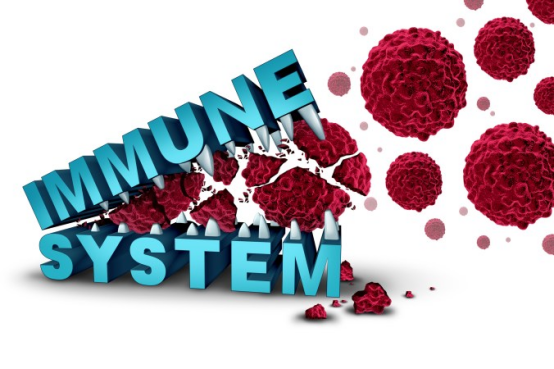
The human immune system is a marvel of biological engineering, a complex network of cells, tissues, organs, and molecules working in concert to protect the body from a constant barrage of threats. From microscopic pathogens like bacteria and viruses to abnormal cells within our own bodies, the immune system stands as our primary defense, vigilant and responsive. Understanding this intricate system is not just academic; it’s fundamental to comprehending health, disease, and the profound impact of lifestyle choices on our well-being. This ultimate guide delves deep into the mechanisms, components, and strategies for maintaining a robust immune system, transforming a foundational understanding into actionable knowledge for a healthier life.
What is the Immune System? A Foundation of Health
At its core, the immune system is the body’s sophisticated defense mechanism, designed to identify and eliminate foreign invaders and harmful internal changes. It’s a dynamic and adaptive network, capable of distinguishing between “self” and “non-self,” mounting targeted responses, and retaining a memory of past encounters for quicker future reactions. Its primary role is to maintain homeostasis and protect against infections, cancers, and other diseases that threaten cellular integrity and overall health.
The “Why”: Why Your Immune System is Your Best Defense
The importance of a well-functioning immune system cannot be overstated. Without it, even the most benign microbes could become life-threatening. Historically, immunology has evolved from observing immunity to specific diseases to understanding the complex cellular and molecular pathways involved. The “why” extends beyond mere survival; it dictates our quality of life, our ability to recover from illness, and our long-term resilience. A robust immune system allows us to thrive in environments teeming with potential threats, while a compromised one leaves us vulnerable to chronic infections, autoimmune conditions, and increased cancer risk. Understanding its principles empowers us to make informed decisions about our health, from diet and exercise to vaccination and stress management, all contributing to bolstering this vital defense.

Key Components of Your Immune System: Cells, Organs & Molecules
The immune system is not a single entity but a vast, interconnected network. Its efficacy stems from the coordinated action of specialized cells, dedicated organs, and an array of signaling molecules. Each component plays a crucial role in the detection, communication, and elimination phases of an immune response.
Cellular Defenders: White Blood Cells Explained
The frontline soldiers of the immune system are various types of white blood cells, or leukocytes, produced in the bone marrow. These include:
- Phagocytes: Cells like neutrophils, macrophages, and dendritic cells that engulf and digest foreign particles, pathogens, and cellular debris. They are crucial for initiating immune responses.
- Lymphocytes: T cells, B cells, and Natural Killer (NK) cells. B cells produce antibodies, while T cells directly attack infected cells or regulate immune responses. NK cells are adept at identifying and destroying virus-infected cells and cancer cells.
- Basophils, Eosinophils, and Mast Cells: Involved in allergic reactions and responses to parasites, releasing inflammatory mediators like histamine.
Immune Organs: The Command Centers of Immunity
Immune cells are produced, mature, and congregate in specialized organs:
- Bone Marrow: The primary site for the production of all blood cells, including leukocytes.
- Thymus: A gland located in the chest where T cells mature and learn to distinguish between self and non-self.
- Lymph Nodes: Small, bean-shaped structures scattered throughout the body that filter lymph fluid and serve as meeting points for immune cells to interact with antigens.
- Spleen: Filters blood, removes old or damaged red blood cells, and houses lymphocytes, playing a role in both innate and adaptive immunity.
- Tonsils and Adenoids: Lymphoid tissues in the throat and nasal cavity that trap pathogens entering through the mouth and nose.
- Peyer’s Patches: Lymphoid tissues found in the small intestine, crucial for gut immunity.
Molecular Messengers: Antibodies, Cytokines & More
Beyond cells and organs, a host of molecules facilitate communication and action:
- Antibodies (Immunoglobulins): Y-shaped proteins produced by B cells that specifically recognize and neutralize pathogens or mark them for destruction.
- Cytokines: Small proteins that act as messengers between immune cells, regulating the intensity and nature of immune responses (e.g., interleukins, interferons, tumor necrosis factors).
- Complement System: A cascade of plasma proteins that can directly kill pathogens, enhance phagocytosis, and promote inflammation.
- Antigens: Molecules (often on the surface of pathogens) that can trigger an immune response.
How Your Immune System Works: Innate vs. Adaptive Immunity
The immune system employs two main branches that work synergistically: the innate (non-specific) and adaptive (specific) immune systems. While distinct in their mechanisms, their coordinated effort provides comprehensive protection.
The Innate Immune Response: Your First Line of Defense
The innate immune system provides immediate, generalized protection against common pathogens. It’s present from birth and does not require prior exposure to a pathogen to react. Its components include physical barriers, chemical defenses, and specialized cells:
- Physical Barriers: Skin, mucous membranes, cilia, and the flushing action of tears and saliva.
- Chemical Defenses: Stomach acid, antimicrobial peptides, and enzymes in secretions.
- Cellular Defenses: Phagocytes (neutrophils, macrophages), Natural Killer (NK) cells, and inflammatory responses (redness, swelling, heat, pain) that bring immune cells and molecules to the site of infection.
The innate response is rapid but lacks specificity and memory. Its goal is to contain the infection and alert the adaptive immune system.
The Adaptive Immune Response: Targeted & Memory-Based
The adaptive immune system is highly specific and develops over time as the body encounters different pathogens. It has two main arms:
- Humoral Immunity (B cells): Involves B lymphocytes that produce antibodies specific to a particular antigen. Antibodies circulate in the blood and lymph, neutralizing pathogens or marking them for destruction.
- Cell-Mediated Immunity (T cells): Involves T lymphocytes that directly attack infected cells (cytotoxic T cells) or help regulate other immune cells (helper T cells).
A key feature of adaptive immunity is immunological memory. After an initial exposure, the adaptive immune system “remembers” the pathogen, leading to a faster, stronger, and more effective response upon subsequent encounters. This principle is the basis of vaccination.
The Synergy of Immunity: A Coordinated Effort
The innate and adaptive systems are not independent; they constantly interact. Innate immune cells, like dendritic cells, act as “antigen-presenting cells” (APCs), capturing pathogens and presenting their antigens to T cells, thereby initiating the adaptive response. Cytokines released by innate cells also guide the differentiation and activity of adaptive cells. This intricate cross-talk ensures a robust and tailored defense against a vast array of threats.
| Feature | Innate Immunity | Adaptive Immunity |
|---|---|---|
| Specificity | Non-specific (targets broad pathogen types) | Highly specific (targets particular antigens) |
| Speed of Response | Immediate (minutes to hours) | Slower (days to weeks for primary response) |
| Memory | No immunological memory | Develops immunological memory |
| Main Components | Physical barriers, phagocytes, NK cells, inflammation | B cells, T cells, antibodies |
| Evolutionary Age | Ancient (present in most multicellular organisms) | Newer (found only in vertebrates) |
Factors Influencing Immune Health & How to Boost It
While genetics play a role, many aspects of immune function are profoundly influenced by lifestyle and environmental factors. Optimizing these areas can significantly enhance your body’s natural defenses.
Lifestyle Pillars: Diet, Sleep, Exercise, and Stress Management
- Nutrition: A balanced diet rich in fruits, vegetables, whole grains, and lean proteins provides essential vitamins (C, D, E), minerals (zinc, selenium), and antioxidants crucial for immune cell function. Processed foods, excessive sugar, and unhealthy fats can suppress immunity.
- Sleep: Adequate, quality sleep (7-9 hours for adults) is vital. During sleep, the body produces and releases cytokines, which are proteins that help fight infection and inflammation. Chronic sleep deprivation can decrease the production of these protective cytokines and infection-fighting antibodies.
- Exercise: Moderate, regular physical activity can improve circulation, allowing immune cells and substances to move through the body more efficiently. It can also reduce inflammation and help flush bacteria from the lungs and airways. Overtraining, however, can be detrimental.
- Stress Management: Chronic stress releases hormones like cortisol, which can suppress the immune system’s effectiveness. Practices like meditation, yoga, deep breathing, and spending time in nature can mitigate stress and support immune resilience.
The Role of Vaccinations and Probiotics
- Vaccinations: One of the most effective strategies to boost adaptive immunity. Vaccines introduce a weakened or inactivated form of a pathogen (or its components) to the immune system, allowing it to develop specific antibodies and memory cells without causing actual disease. This primes the body for a swift and robust response upon future exposure.
- Probiotics: The gut microbiome plays a critical role in immune health. A healthy balance of gut bacteria (often supported by probiotics and prebiotics) can influence immune cell development, reduce inflammation, and enhance the body’s ability to fight off pathogens.
Pro Tips: Expert Advice for a Resilient Immune System
- Hydrate Adequately: Water is essential for every bodily function, including the transport of nutrients to cells and the removal of waste products.
- Prioritize Vitamin D: Many people are deficient. Consider supplementation under medical guidance, especially in winter months, as Vitamin D is crucial for immune regulation.
- Limit Alcohol and Tobacco: Both significantly impair immune function and increase susceptibility to infections.
- Practice Good Hygiene: Simple acts like handwashing prevent the spread of pathogens, reducing the burden on your immune system.
- Maintain a Healthy Weight: Obesity is linked to chronic inflammation and impaired immune responses.
Common Immune System Challenges: Understanding Disorders
Despite its sophistication, the immune system can sometimes malfunction, leading to a range of disorders. Understanding these conditions is crucial for diagnosis, treatment, and managing their impact on quality of life.
Autoimmune Diseases: When the Body Attacks Itself
Autoimmune diseases occur when the immune system mistakenly identifies the body’s own healthy cells as foreign invaders and mounts an attack. The “why” behind this self-attack is complex, involving a combination of genetic predisposition and environmental triggers. Examples include:
- Type 1 Diabetes: Immune system destroys insulin-producing cells in the pancreas.
- Rheumatoid Arthritis: Immune system attacks the lining of the joints.
- Lupus: A systemic disease that can affect joints, skin, kidneys, and other organs.
- Multiple Sclerosis: Immune system attacks the protective sheath (myelin) covering nerve fibers.
Treatment often involves immunosuppressants to reduce the immune response and manage symptoms, but research into more targeted therapies is ongoing.
Immunodeficiency Disorders: Weakened Defenses
Immunodeficiency disorders arise when the immune system is either missing essential components or functions improperly, leaving the body vulnerable to infections. These can be:
- Primary (Congenital): Present from birth due to genetic defects (e.g., Severe Combined Immunodeficiency – SCID).
- Secondary (Acquired): Develop later in life due to factors like HIV infection (AIDS), malnutrition, certain medications (e.g., chemotherapy), or cancer.
Individuals with immunodeficiencies often experience recurrent, severe, or unusual infections. Management focuses on preventing and treating infections, and in some cases, replacing missing immune components.
Allergies: Overreactions to Harmless Substances
Allergies are hypersensitivity reactions where the immune system overreacts to typically harmless substances (allergens) like pollen, dust mites, certain foods, or pet dander. The immune system, particularly IgE antibodies and mast cells, releases histamine and other chemicals, leading to symptoms such as:
- Sneezing, runny nose, itchy eyes (hay fever)
- Skin rashes (eczema, hives)
- Asthma (wheezing, shortness of breath)
- Anaphylaxis (a severe, life-threatening systemic reaction)
Understanding triggers and managing exposure, along with antihistamines or immunotherapy, are common approaches to managing allergies.
Technical Checklist: Maintaining Optimal Immune Function
- Consume a diverse, nutrient-rich diet with ample fruits, vegetables, and whole grains.
- Aim for 7-9 hours of quality sleep per night.
- Engage in moderate, regular physical activity (e.g., 150 minutes of moderate-intensity cardio per week).
- Implement stress-reduction techniques daily (meditation, deep breathing, hobbies).
- Stay up-to-date with recommended vaccinations.
- Maintain proper hydration by drinking plenty of water.
- Consider gut health with probiotics/prebiotics if needed.
- Avoid smoking and limit alcohol consumption.
- Practice consistent hand hygiene.
- Consult a healthcare professional for personalized advice, especially regarding supplements or chronic conditions.
The Future of Immunology: Innovations and Breakthroughs
The field of immunology is constantly evolving, with groundbreaking research leading to new diagnostic tools, therapies, and a deeper understanding of immune mechanisms. The future promises even more sophisticated ways to harness and modulate the immune system for health.
Immunotherapy: Harnessing the Body’s Own Power
Immunotherapy represents a revolutionary approach, particularly in cancer treatment. Instead of directly attacking cancer cells, it stimulates or restores the body’s own immune system to fight the disease. Techniques include:
- Checkpoint Inhibitors: Drugs that block proteins that prevent the immune system from attacking cancer cells.
- CAR T-cell Therapy: Genetically engineering a patient’s own T cells to recognize and kill cancer cells.
- Therapeutic Vaccines: Designed to treat existing diseases, such as certain cancers, by prompting the immune system to attack them.
Beyond cancer, immunotherapy is being explored for autoimmune diseases and chronic infections, offering hope for more targeted and effective treatments with fewer side effects.
Personalized Immunity: Tailoring Treatments
The concept of personalized medicine is gaining traction in immunology. Advances in genomics, proteomics, and bioinformatics allow researchers to understand an individual’s unique immune profile. This can lead to:
- Tailored Vaccinations: Developing vaccines optimized for an individual’s genetic background and immune history.
- Precision Immunosuppression: Customizing treatments for autoimmune diseases to minimize side effects and maximize efficacy based on a patient’s specific immune dysregulation.
- Predictive Diagnostics: Identifying individuals at higher risk for certain immune-related conditions before symptoms appear, allowing for early intervention.
The integration of artificial intelligence and machine learning is further accelerating these developments, promising a future where immune health management is highly individualized and proactive.
Frequently Asked Questions (FAQ)
- What are the most effective ways to naturally boost my immune system?
- The most effective natural ways include maintaining a balanced diet rich in vitamins and minerals (especially C, D, Zinc), getting 7-9 hours of quality sleep, engaging in moderate regular exercise, managing stress through mindfulness or hobbies, and staying adequately hydrated. These lifestyle pillars significantly support immune function.
- Can supplements truly strengthen my immunity, or are they just hype?
- While a balanced diet is paramount, certain supplements like Vitamin D, Vitamin C, and Zinc have evidence supporting their role in immune function, especially if you have a deficiency. However, they are not a substitute for a healthy lifestyle. Always consult a healthcare professional before starting any new supplement regimen, as excessive intake can be harmful.
- How does chronic stress impact my immune system?
- Chronic stress leads to the sustained release of stress hormones like cortisol. High levels of cortisol can suppress the immune system by reducing the production of lymphocytes, which are key white blood cells that fight infection. This makes you more susceptible to illnesses and can slow down wound healing.
- Is there a difference between “innate” and “adaptive” immunity?
- Yes, there’s a significant difference. Innate immunity is your body’s first, non-specific line of defense, acting rapidly against general threats without prior exposure. Adaptive immunity, on the other hand, is highly specific, develops over time upon exposure to pathogens, and creates immunological “memory” for faster, stronger responses to future encounters with the same pathogen. They work together for comprehensive protection.
- What are common signs that my immune system might be weakened?
- Common signs of a weakened immune system include frequent and recurrent infections (like colds, flu, ear infections), prolonged recovery times from illness, chronic fatigue, recurring skin infections, slow-healing wounds, and persistent digestive issues. If you experience these symptoms, it’s advisable to consult a doctor for evaluation.