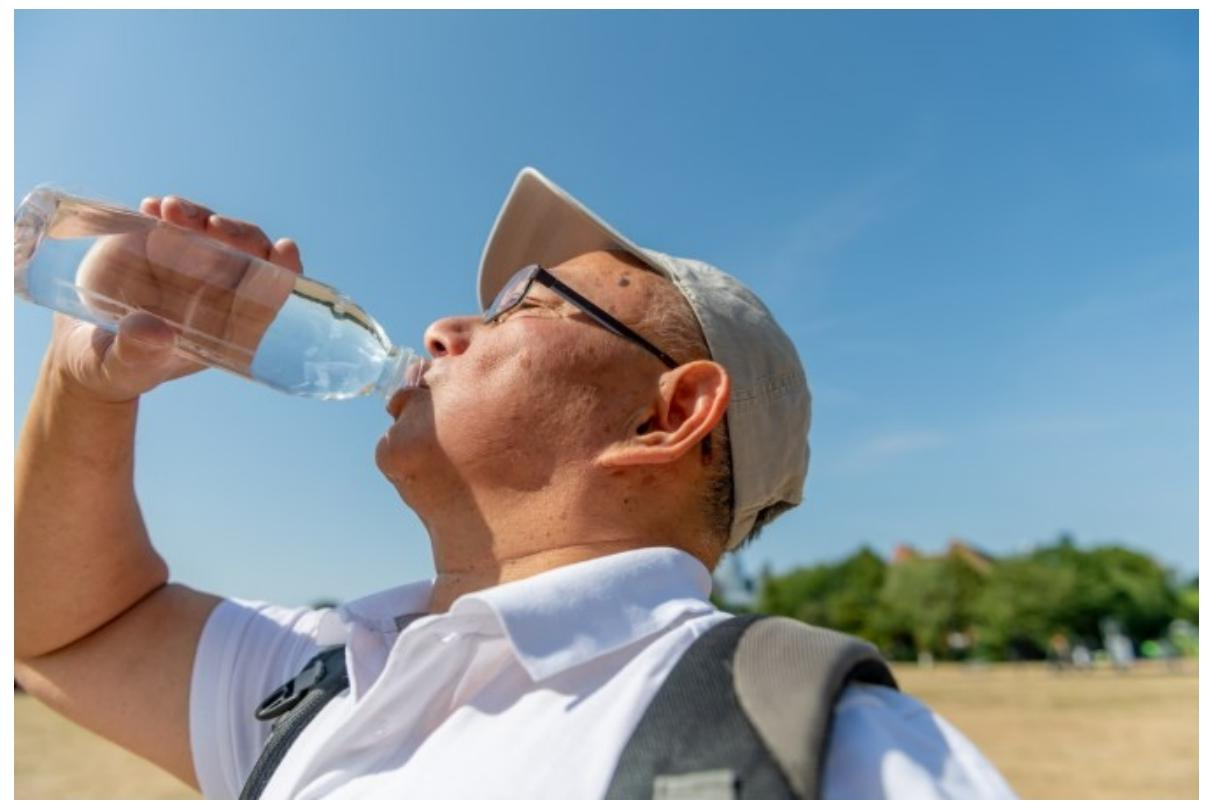
The Physiological Challenges of Aging and Hydration
As the human body ages, its ability to regulate temperature and conserve water undergoes significant changes. Older adults often experience a diminished thirst sensation, meaning they may be dehydrated before they even feel the urge to drink. Additionally, the body’s total water percentage decreases with age, leaving a smaller margin for error during heat waves.
Why Seniors Are at Higher Risk
Several factors contribute to this heightened risk, including reduced kidney function, the use of medications like diuretics, and a decrease in sweat gland efficiency. Understanding these biological shifts is the first step in creating a robust hydration strategy for the elderly.

Identifying Early Signs of Dehydration in Seniors
Dehydration in older adults often presents differently than in younger individuals. While thirst is the primary indicator for the youth, seniors may exhibit cognitive or physical symptoms that are easily overlooked or mistaken for other age-related issues.
Common Warning Signs
- Confusion or sudden cognitive decline
- Dry mouth and sticky saliva
- Dark-colored urine or decreased output
- Sunken eyes or skin that lacks elasticity
- Unexplained fatigue or lethargy

Strategic Hydration Protocols and Prevention
Prevention is superior to intervention. Caregivers and seniors alike should adopt a proactive schedule rather than relying on thirst alone. Implementing a structured intake plan ensures that fluid levels remain consistent throughout the day, even during peak temperatures.
Expert Tips for Maintaining Intake
| Strategy | Implementation Detail |
|---|---|
| Scheduled Sipping | Set a reminder to drink 4-6 ounces every hour. |
| Water-Rich Foods | Incorporate cucumbers, watermelon, and celery into meals. |
| Temperature Control | Keep the living environment below 78°F. |
| Medication Review | Consult a doctor about diuretic timing. |
Frequently Asked Questions (FAQ)
- How much water should an older adult drink daily?
- While individual needs vary based on weight and activity, a general baseline is 6 to 8 glasses of water. Always consult with a primary care physician to account for specific health conditions like heart failure or kidney disease.
- Are sports drinks better than water for seniors?
- Not necessarily. Sports drinks contain high levels of sugar and sodium. Unless recommended by a doctor for electrolyte replacement, plain water or water infused with fruit is the safest option.
- Can coffee or tea contribute to hydration?
- Moderate consumption of caffeinated beverages can count toward your daily fluid intake, though water remains the gold standard. Avoid excessive caffeine as it may have a mild diuretic effect.
- What should I do if I suspect heat stroke?
- Heat stroke is a medical emergency. If an individual displays signs of high body temperature, altered mental state, or loss of consciousness, call emergency services immediately while moving them to a cool, shaded area.