The Origins of Biological Determinism
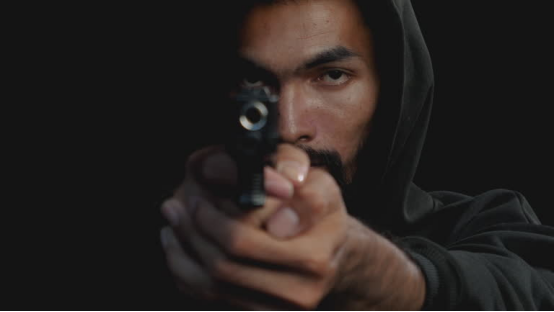
The “born criminal” theory, pioneered by Cesare Lombroso in the late 19th century, represents one of the most significant missteps in the history of criminology. Lombroso suggested that criminality was an inherited trait, identifiable through specific physical stigmata—a concept known as atavism.
The Intersection of Phrenology and Criminology
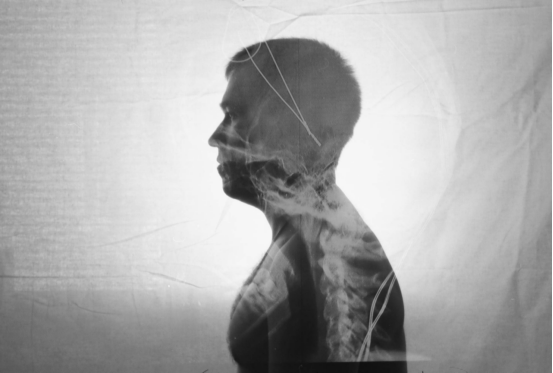
Phrenology, the study of skull shapes to determine personality traits, provided the pseudo-scientific foundation for Lombroso’s work. By measuring cranial bumps and facial features, early practitioners believed they could map the “criminal brain” long before modern neuroimaging existed.
Cognitive Traps and Scientific Bias
The persistence of the born criminal theory was not due to factual evidence but rather the human tendency toward confirmation bias. When society seeks to justify existing prejudices, it often adopts frameworks that appear “scientific” to validate discriminatory outcomes.
Why Pseudo-Science Persists
Pseudo-scientific theories often gain traction because they offer simple, deterministic explanations for complex social issues like crime. By blaming biology rather than socioeconomic factors, these theories allowed institutions to ignore systemic inequality.
| Theory Component | Scientific Reality |
|---|---|
| Atavism | Evolutionary regression is not a predictor of crime. |
| Phrenology | Skull shape has zero correlation with personality or behavior. |
| Biological Determinism | Environment and genetics interact in complex, non-linear ways. |
Modern Implications and Ethical Considerations
Today, we see echoes of the born criminal theory in modern debates surrounding genetic predisposition and AI-driven predictive policing. While we have discarded phrenology, the danger of “technological phrenology”—the use of biased algorithms to profile individuals—remains a pressing ethical concern.
Pro Tips for Critical Analysis
- Always question the sample size and methodology of studies linking biology to behavior.
- Distinguish between correlation and causation in behavioral research.
- Recognize that human behavior is multifaceted, influenced by culture, environment, and biology.
Frequently Asked Questions (FAQ)
- What was the primary flaw in Lombroso’s research?
- Lombroso relied on subjective observations and lacked a control group, leading him to mistake correlation for causation and ignore environmental factors.
- Is phrenology considered a legitimate science today?
- No, phrenology is classified as a pseudo-science because it lacks empirical evidence and relies on faulty anatomical assumptions.
- How does the born criminal theory relate to modern bias?
- It serves as a historical warning of how “scientific” labels are used to justify discrimination, a pattern that continues in modern algorithmic and data-driven profiling.
- Can criminal behavior be predicted by genetics?
- While some genetic markers may influence temperament, there is no “criminal gene.” Behavior is a complex outcome of gene-environment interactions.