The Rationale Behind Spring Breeding
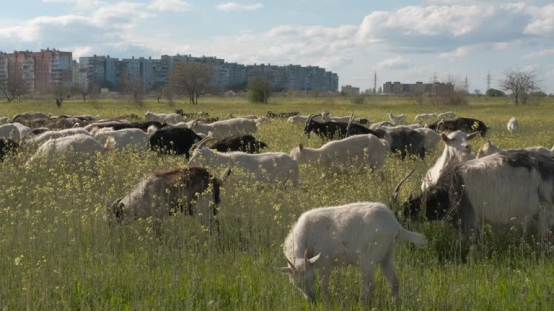
The vibrant resurgence of life in spring is not merely a poetic observation; it is a fundamental ecological principle that underpins the survival and proliferation of countless animal species. The timing of reproduction is a critical evolutionary strategy, finely tuned over millennia to maximize the chances of offspring survival. Spring, with its unique confluence of environmental factors, presents an unparalleled window of opportunity for breeding, a period when the harshness of winter recedes and the promise of abundance emerges. This strategic timing ensures that newborn or newly hatched animals enter the world when conditions are most favorable, significantly boosting their chances of reaching maturity.
Resource Availability: The Foundation of Growth
One of the primary drivers for increased breeding in spring is the dramatic surge in resource availability. As temperatures rise and snow melts, plant life flourishes, providing a lush buffet for herbivores. This in turn supports carnivores, creating a rich food web. For pregnant females, ample food means sufficient energy reserves for gestation and lactation. For offspring, it means a readily available supply of nutrient-rich forage or prey, crucial for rapid growth and development during their most vulnerable stages. Without this foundational abundance, the energy demands of reproduction would be unsustainable, leading to higher mortality rates for both parents and young.
- Plant Growth: Deciduous trees bud, grasses sprout, and flowers bloom, offering vast amounts of food for grazing and browsing animals.
- Insect Populations: Warmer weather triggers massive insect hatches, providing a vital protein source for birds, amphibians, and many small mammals.
- Prey Abundance: The increase in primary consumers (herbivores) naturally leads to a boost in secondary consumers (carnivores), ensuring a full food chain.
Favorable Climatic Conditions: Less Stress, More Energy
Beyond food, spring offers significantly more favorable climatic conditions compared to the extremes of winter or the intense heat of summer. Mild temperatures reduce the energetic demands on animals, meaning less energy is expended on thermoregulation and more can be diverted towards reproductive efforts. This is particularly crucial for newborns, which often lack the developed insulation or physiological mechanisms to cope with severe cold. The longer daylight hours also contribute, providing more time for foraging, hunting, and parental care, without the added stress of extreme weather events common in other seasons.
- Temperature Moderation: Less energy is required for maintaining body heat, freeing up resources for reproduction and growth.
- Reduced Weather Extremes: Lower incidence of blizzards, deep freezes, or severe droughts compared to winter or late summer.
- Extended Daylight: More hours of light allow for prolonged foraging, crucial for species with high metabolic rates or large litters.
Biological Mechanisms: The Internal Clock
While external environmental cues like food and temperature are vital, animals do not simply react passively to these changes. Instead, they possess sophisticated biological mechanisms that act as internal clocks, anticipating and orchestrating the reproductive cycle. These mechanisms ensure that breeding occurs at precisely the right time, often initiating preparations weeks or even months before spring truly arrives. The interplay of light, hormones, and genetic programming forms an intricate system that governs fertility and parental behaviors.
Photoperiodism: The Master Switch of Light
The most powerful and reliable cue for seasonal breeding in many species is photoperiodism – the change in the duration of daylight and darkness over a 24-hour cycle. As days lengthen after the winter solstice, animals perceive this increase in light. Specialized photoreceptors, often in the retina or directly in the brain (e.g., in birds), send signals that influence the pineal gland’s production of melatonin. A decrease in nocturnal melatonin secretion, driven by longer days, acts as a crucial signal to the hypothalamus, initiating a cascade of hormonal events that prepare the body for reproduction.
- Melatonin’s Role: High melatonin levels (short days) typically inhibit reproduction; low levels (long days) stimulate it.
- Reliability: Photoperiod is a highly stable and predictable environmental cue, unlike temperature or food availability which can fluctuate unpredictably.
- Species Variation: While many species are long-day breeders (spring), some are short-day breeders (autumn), adapting to their specific ecological niches.
Hormonal Regulation: Orchestrating Fertility
The photoperiodic signal ultimately translates into a complex symphony of hormonal regulation. The hypothalamus releases gonadotropin-releasing hormone (GnRH), which in turn stimulates the pituitary gland to secrete follicle-stimulating hormone (FSH) and luteinizing hormone (LH). These gonadotropins act on the gonads (ovaries in females, testes in males), stimulating the production of sex hormones like estrogen, progesterone, and testosterone. These hormones are directly responsible for gamete production (sperm and eggs), the development of secondary sexual characteristics, and the expression of mating behaviors crucial for successful reproduction.
| Hormone | Primary Function in Spring Breeding |
|---|---|
| Melatonin | Regulates circadian and circannual rhythms; inhibited by long days to stimulate reproduction. |
| GnRH | Hypothalamic hormone, stimulates pituitary to release FSH and LH. |
| FSH | Promotes follicle development in females, spermatogenesis in males. |
| LH | Triggers ovulation in females, testosterone production in males. |
|
Reader safety note: This article is general educational content only. It is not medical advice, mental-health diagnosis, psychotherapy, public-health guidance, emergency help, medication guidance, device instruction, or individualized relationship advice. Consult qualified medical, mental-health, public-health, legal, educational, or safety professionals for personal decisions, urgent symptoms, self-harm risk, abuse, addiction, infectious disease concerns, or treatment questions.
Tags:
Comments are closed
|