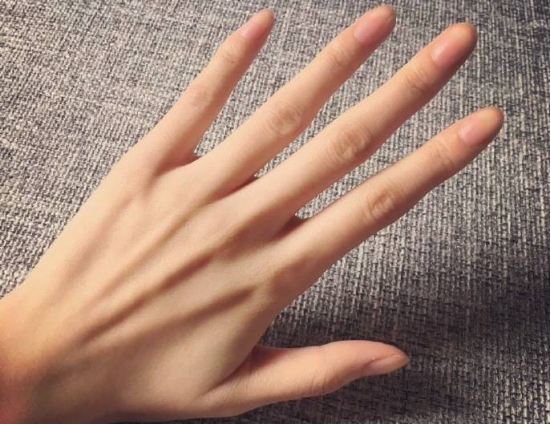
Our skin and nails are more than just cosmetic features; they are vital indicators of our overall health and act as the body’s primary line of defense against external aggressors. Neglecting their care can lead to a myriad of issues, from discomfort and pain to potential infections and underlying health concerns. This comprehensive guide serves as your definitive resource for understanding, maintaining, and enhancing the health of your skin and nails, integrating scientific insights with practical, actionable advice. We will delve into their intricate structures, explore common challenges, and provide holistic strategies for optimal well-being.
Understanding the Foundations: Skin and Nail Anatomy
To truly care for our skin and nails, it’s paramount to first understand their complex anatomical structures and physiological functions. This foundational knowledge empowers us to make informed decisions about their maintenance and to recognize when something might be amiss.
The Marvel of Skin: Layers and Functions
The skin, the body’s largest organ, is a multi-layered marvel designed for protection, sensation, and regulation. Each layer plays a crucial role in its overall functionality and appearance. Understanding these layers is key to comprehending how skincare products and environmental factors interact with our body.
- Epidermis: This outermost layer provides waterproofing and serves as a protective barrier against pathogens, UV radiation, and chemical damage. It is composed primarily of keratinocytes, which constantly renew themselves, shedding dead cells in a process called desquamation. Melanocytes, found in the epidermis, produce melanin, which gives skin its color and protects against UV light.
- Dermis: Situated beneath the epidermis, the dermis is a robust layer rich in connective tissue, primarily collagen and elastin fibers. These proteins provide the skin with its strength, elasticity, and resilience. The dermis houses vital structures such as hair follicles, sweat glands, sebaceous glands (which produce oil), nerve endings for touch and temperature, and blood vessels that supply nutrients and regulate temperature.
- Hypodermis (Subcutis): The deepest layer, composed mainly of adipose (fat) tissue and loose connective tissue. The hypodermis acts as an insulator, cushioning the body against impact, and serving as an energy reserve. It also connects the skin to underlying muscles and bones.
Beyond its structural complexity, the skin performs several critical functions:
- Protection: It forms a physical barrier against mechanical injury, chemical irritants, microbial invasion, and harmful UV radiation.
- Sensation: Nerve endings detect touch, pressure, pain, and temperature, allowing us to interact with our environment safely.
- Temperature Regulation: Through sweating and adjusting blood flow, the skin helps maintain a stable internal body temperature.
- Excretion: Sweat glands excrete water, salt, and other waste products.
- Vitamin D Synthesis: Upon exposure to sunlight, the skin synthesizes Vitamin D, crucial for bone health and immune function.
The Structure of Strong Nails: Components and Growth
Nails, often overlooked, are complex appendages of the skin, primarily composed of keratin. They serve protective functions and can offer insights into an individual’s general health. Healthy nails are typically smooth, uniform in color, and free from pits or grooves.
- Nail Plate: This is the visible, hard, translucent part of the nail, formed from dead keratin cells. It protects the sensitive nail bed underneath.
- Nail Bed: The skin directly beneath the nail plate, rich in blood vessels, giving the nail its pinkish color. It supplies nutrients to the growing nail.
- Nail Matrix: Located at the base of the nail under the cuticle, this is the living part of the nail where new nail cells are produced. Damage to the matrix can lead to permanent nail deformities.
- Cuticle (Eponychium): The layer of dead skin that protects the nail matrix from infection by sealing the area where the nail grows out of the skin.
- Lunula: The half-moon shape visible at the base of the nail, which is the visible part of the nail matrix.
Nail growth is a continuous process, with fingernails growing approximately 3 mm per month and toenails growing slower. The rate of growth can be influenced by age, nutrition, genetics, and overall health. For instance, a study published in the Journal of Investigative Dermatology noted that nail growth rates can decrease by up to 0.5 mm per month in individuals over 70 compared to those in their 20s, highlighting age as a significant factor.

Essential Care Routines for Optimal Health
Consistent and appropriate care is the cornerstone of maintaining healthy skin and nails. While individual needs vary, establishing a routine based on scientific principles and personalized attention can significantly improve their condition and resilience against environmental stressors.
Daily Skincare Rituals for Every Skin Type
A well-structured skincare routine doesn’t need to be complex, but it must be consistent and tailored to your specific skin type. The fundamental steps remain consistent, but the products used should vary.
- Cleansing: Twice daily, morning and night, to remove dirt, oil, makeup, and pollutants.
- Oily Skin: Opt for gel or foaming cleansers containing salicylic acid to control sebum.
- Dry Skin: Use cream or oil-based cleansers that hydrate without stripping natural oils.
- Combination Skin: A gentle foaming cleanser can work, or consider targeted cleansing for different zones.
- Sensitive Skin: Fragrance-free, hypoallergenic, and gentle cream cleansers are best to avoid irritation.
Case Study: Sarah, 32, struggled with sensitive skin and occasional redness. She switched from a harsh foaming cleanser to a dermatologist-recommended, pH-balanced cream cleanser. Within two weeks, her skin showed significantly reduced redness and felt less tight after washing, illustrating the direct impact of product choice on skin comfort and health.
- Toning: After cleansing, a toner can help balance skin pH and prepare it for subsequent products.
- Oily/Acne-Prone: Toners with witch hazel or glycolic acid can help minimize pores and exfoliate.
- Dry/Sensitive: Hydrating toners with hyaluronic acid or rose water can soothe and add moisture.
- Moisturizing: Essential for all skin types to maintain the skin barrier and prevent water loss.
- Oily Skin: Lightweight, non-comedogenic lotions or gel moisturizers.
- Dry Skin: Richer creams with ingredients like ceramides, shea butter, or glycerin.
- Combination Skin: A lighter moisturizer for the T-zone and a slightly richer one for dry areas.
- Sun Protection Factor (SPF): The most crucial step for preventing premature aging and skin cancer. Apply a broad-spectrum SPF 30 or higher daily, regardless of weather.
Comprehensive Nail Care: From Basic Hygiene to Advanced Protection
Maintaining healthy nails goes beyond aesthetics; it’s about preventing infections and promoting strong growth. A consistent routine can make a significant difference.
- Regular Trimming and Filing: Trim nails straight across to prevent ingrown nails, then gently file edges to smooth them. Avoid sawing back and forth, which can weaken the nail.
- Cuticle Care: Instead of cutting cuticles, gently push them back after a shower or bath using a soft pusher. Cutting can introduce bacteria and lead to infection.
- Moisturizing: Just like skin, nails and cuticles benefit from hydration. Use a dedicated cuticle oil or hand cream daily, especially after washing hands.
- Protection from Chemicals and Trauma: Wear gloves when doing dishes, cleaning with harsh chemicals, or gardening. This prevents drying, staining, and physical damage.
A statistical analysis from a 2021 dermatology conference highlighted that individuals who consistently wore protective gloves during household chores experienced a 45% reduction in reported nail plate thinning and breakage compared to a control group, underscoring the efficacy of simple protective measures.
- Avoid Harsh Polishes and Removers: Opt for “3-free” or “5-free” polishes and non-acetone removers to minimize chemical exposure that can dry out and weaken nails.

Common Challenges and Solutions for Skin and Nails
Despite diligent care, both skin and nails can encounter various issues ranging from cosmetic concerns to more serious conditions. Understanding these common problems and their effective solutions is crucial for prompt and appropriate management.
Addressing Skin Concerns: Acne, Eczema, and Aging
Skin conditions are incredibly prevalent, affecting millions globally. While some are chronic, many can be managed effectively with targeted strategies.
- Acne: Characterized by pimples, blackheads, and whiteheads, acne occurs when hair follicles become clogged with oil and dead skin cells.
- Causes: Hormonal fluctuations, excess sebum production, bacteria (P. acnes), inflammation, and genetics.
- Symptoms: Papules, pustules, cysts, nodules, and scarring.
- Operational Steps for Management:
- Gentle Cleansing: Use a salicylic acid or benzoyl peroxide wash twice daily.
- Topical Treatments: Apply retinoids (e.g., adapalene), benzoyl peroxide, or antibiotics.
- Avoid Picking: This can worsen inflammation and lead to scarring.
- Hydrate: Use a non-comedogenic moisturizer to prevent dryness from active ingredients.
- Consult a Dermatologist: For severe or persistent acne, prescription medications (oral antibiotics, isotretinoin) may be necessary.
- Eczema (Atopic Dermatitis): A chronic inflammatory skin condition causing dry, itchy, and inflamed patches.
- Causes: Genetic predisposition, immune system dysfunction, environmental triggers (allergens, irritants).
- Symptoms: Intense itching, redness, dryness, flaking, small bumps, and thickened skin over time.
- Management: Regular moisturizing with emollients, identifying and avoiding triggers, topical corticosteroids, and sometimes oral antihistamines for itching.
- Aging Skin: Natural physiological changes leading to wrinkles, fine lines, loss of elasticity, and hyperpigmentation.
- Causes: Cumulative sun exposure (photoaging), genetics, reduced collagen and elastin production, decreased hyaluronic acid.
- Symptoms: Wrinkles, sagging, age spots, uneven skin tone and texture.
- Strategies: Consistent SPF use, topical retinoids (retinol, tretinoin), antioxidants (Vitamin C), hyaluronic acid for hydration, and professional treatments like chemical peels or laser therapy.
Table: Common Skin Conditions and Their Treatments
| Condition | Key Symptoms | Primary Treatments | Advanced Solutions |
|---|---|---|---|
| Acne | Pimples, blackheads, whiteheads, cysts | Topical retinoids, benzoyl peroxide, salicylic acid | Oral antibiotics, isotretinoin, laser therapy |
| Eczema | Itchy, red, dry, inflamed patches | Emollients, topical corticosteroids, trigger avoidance | Immunosuppressants, biologic drugs |
| Psoriasis | Red, scaly patches with silvery scales | Topical corticosteroids, Vitamin D analogues | Phototherapy, systemic medications, biologics |
| Rosacea | Facial redness, visible blood vessels, bumps | Topical metronidazole, azelaic acid, oral antibiotics | Laser therapy for redness, brimonidine gel |
| Dry Skin (Xerosis) | Roughness, flaking, tightness, itching | Rich moisturizers, humidifiers, gentle cleansers | Prescription emollients, barrier repair creams |
Tackling Nail Issues: Brittle Nails, Fungal Infections, and Discoloration
Nail problems are common and can range from minor annoyances to signs of underlying health conditions. Addressing them effectively often requires a multi-pronged approach.
- Brittle Nails (Onychoschizia): Nails that easily split, peel, or break.
- Causes: Frequent exposure to water and harsh chemicals, nutritional deficiencies (e.g., iron, biotin), overuse of nail polish/removers, and certain medical conditions (hypothyroidism).
- Prevention & Solutions:
- Wear gloves for wet work.
- Moisturize nails and cuticles regularly.
- Consider biotin supplements (consult a doctor). A study in the Journal of Cosmetic Dermatology showed that daily biotin supplementation improved nail thickness and reduced brittleness in 63% of participants after 6 months.
- Use nail strengtheners, but avoid those with formaldehyde if sensitive.
The subtle logical branch here is understanding that while external factors are often blamed, internal factors like diet and systemic health can significantly contribute to nail integrity. For example, individuals with iron-deficiency anemia often exhibit koilonychia (spoon-shaped nails) alongside brittleness, indicating a systemic rather than purely localized issue.
- Fungal Nail Infections (Onychomycosis): A common condition causing discolored, thickened, and crumbly nails.
- Causes: Fungi entering through cracks in the nail or skin, often thriving in warm, moist environments (e.g., public showers, sweaty shoes).
- Symptoms: Yellow, brown, or white discoloration; thickening of the nail; crumbling edges; foul odor.
- Treatment: Over-the-counter topical antifungals for mild cases. For more severe infections, prescription oral antifungals (e.g., terbinafine, fluconazole) or medicated nail lacquers are often required. Laser therapy is also an option.
- Nail Discoloration: Nails can change color for various reasons, from benign to serious.
- Yellow Nails: Can be caused by nail polish, smoking, fungal infections, or, rarely, respiratory conditions or lymphedema (Yellow Nail Syndrome).
- Green Nails: Often due to bacterial infection (Pseudomonas aeruginosa), usually occurring under a lifted nail.
- Black/Brown Nails: Can be a bruise (subungual hematoma) from trauma, a fungal infection, or, in rare cases, melanoma (a serious skin cancer). Any new, dark streak under the nail that doesn’t grow out should be evaluated by a doctor immediately.
- White Spots/Lines: Usually benign trauma or minor injury to the nail matrix (leukonychia). Rarely, they can indicate zinc deficiency or other systemic issues.
It is crucial to consult a healthcare professional for persistent or worsening nail discoloration, especially if accompanied by pain, swelling, or changes in nail texture, as these can be indicators of underlying medical conditions requiring diagnosis and treatment.

The Holistic Connection: Diet, Lifestyle, and Overall Wellness
True skin and nail health extend far beyond topical treatments and basic hygiene. A holistic approach that integrates nutrition, lifestyle choices, and overall wellness strategies is fundamental for achieving and sustaining radiant skin and robust nails. These internal factors profoundly influence external appearance and resilience.
Nutritional Powerhouses for Glowing Skin
What we consume directly impacts the health, elasticity, and appearance of our skin. A diet rich in specific nutrients can combat inflammation, protect against environmental damage, and promote cellular regeneration.
- Antioxidants (Vitamins A, C, E): These vitamins neutralize free radicals, which are unstable molecules that damage skin cells and accelerate aging.
- Vitamin A: Found in sweet potatoes, carrots, spinach. Essential for cell turnover and repair.
- Vitamin C: Abundant in citrus fruits, berries, bell peppers. Crucial for collagen synthesis, giving skin its firmness.
- Vitamin E: Present in nuts, seeds, avocados. Protects cell membranes from oxidative damage.
- Omega-3 Fatty Acids: Found in fatty fish (salmon, mackerel), flaxseeds, and walnuts. These healthy fats help maintain skin barrier function, reduce inflammation, and keep skin hydrated and supple.
- Hydration: Adequate water intake is critical for maintaining skin turgor and elasticity. Dehydration can make skin appear dull, dry, and more prone to fine lines. Aim for at least 8 glasses of water daily.
- Zinc: Found in lean meats, legumes, and nuts. Important for wound healing, immune function, and regulating oil production, making it beneficial for acne-prone skin.
Dietary Essentials for Strong, Healthy Nails
Just as with skin, the strength and growth of nails are heavily reliant on a consistent supply of specific vitamins and minerals. Deficiencies often manifest as brittle, weak, or discolored nails.
- Biotin (Vitamin B7): Perhaps the most well-known nutrient for nail health, biotin strengthens keratin, the primary protein in nails. Sources include eggs, nuts, whole grains, and salmon.
Case Study: Emily, 45, experienced persistent nail peeling and breakage. After incorporating a daily biotin supplement (5,000 mcg) under her doctor’s guidance and increasing her intake of biotin-rich foods, she observed a noticeable improvement in nail hardness and a reduction in peeling within three months. Her nails became significantly more resilient, demonstrating the powerful impact of targeted nutritional supplementation.
- Iron: Essential for transporting oxygen to nail cells. Iron deficiency can lead to brittle nails and koilonychia (spoon-shaped nails). Red meat, lentils, spinach, and fortified cereals are excellent sources.
- Zinc: Important for cell growth and division, crucial for the rapid growth of nail cells. Deficiency can cause slow nail growth and white spots. Found in seafood, lean beef, and pumpkin seeds.
- Protein: Nails are made of keratin, a protein. Ensuring adequate protein intake is fundamental for strong nail growth. Lean meats, poultry, fish, beans, and lentils are vital.
Lifestyle Factors: Sleep, Stress, and Environmental Protection
Beyond diet, daily habits and environmental exposure play a significant role in skin and nail vitality.
- Quality Sleep: During sleep, the body undergoes repair and regeneration. Insufficient sleep can lead to dull skin, dark circles, increased inflammation, and slower wound healing. Aim for 7-9 hours of quality sleep per night.
- Stress Management: Chronic stress elevates cortisol levels, which can trigger acne breakouts, exacerbate conditions like eczema and psoriasis, and even affect hair and nail growth. Practices like meditation, yoga, mindfulness, and regular exercise can significantly mitigate stress impacts.
- Environmental Protection:
- UV Radiation: Sun exposure is the leading cause of premature skin aging, hyperpigmentation, and skin cancer. Consistent use of broad-spectrum SPF 30+ and protective clothing is non-negotiable.
- Pollution: Urban pollution exposes skin to free radicals and particulate matter, contributing to oxidative stress, dullness, and barrier damage. Antioxidant-rich skincare and thorough cleansing can help.
- Harsh Chemicals: Direct contact with cleaning agents, strong detergents, and industrial chemicals can strip natural oils from skin and nails, leading to dryness, irritation, and brittleness. Always wear gloves.
By adopting a holistic approach that prioritizes nutrient-rich foods, sufficient hydration, quality sleep, effective stress management, and robust environmental protection, individuals can achieve not just aesthetically pleasing skin and nails, but also enhance their overall health and well-being. This integrated strategy fosters resilience from within, reflecting outward in a vibrant, healthy appearance.
Frequently Asked Questions (FAQ)
- Q1: How long does it take to see improvements in skin and nail health after starting a new routine?
- Improvements can vary significantly. For skin, you might notice changes in hydration and texture within a few weeks, but significant results for issues like acne or hyperpigmentation can take 2-3 months as skin cells renew. For nails, due to their slower growth cycle, it can take 3-6 months for new, healthy nail growth to become fully visible, as fingernails grow approximately 3 mm per month.
- Q2: Can diet alone cure severe skin conditions like eczema or psoriasis?
- While diet plays a crucial supportive role in managing inflammatory skin conditions like eczema and psoriasis by reducing inflammation and supporting overall health, it rarely acts as a standalone cure for severe cases. A balanced diet rich in anti-inflammatory foods (omega-3s, antioxidants) can help mitigate symptoms and improve skin barrier function, but medical treatment, often including topical medications or systemic therapies, is typically required for effective management of severe conditions.
- Q3: Is it harmful to get gel or acrylic nail extensions frequently?
- Frequent application and removal of gel or acrylic nail extensions can be harmful if not done correctly. The process can weaken the natural nail plate, lead to dehydration, and increase the risk of fungal or bacterial infections if proper sanitation isn’t maintained. Additionally, UV light exposure during gel curing can be a concern. It’s advisable to give your natural nails breaks between applications and ensure a reputable technician uses safe practices.
- Q4: What’s the most important step in any skin and nail care routine?
- For skin, the single most important step is daily sun protection (SPF 30+). UV radiation is the primary cause of premature aging, hyperpigmentation, and skin cancer. For nails, consistent moisturizing of the nail plate and cuticles, alongside protection from harsh chemicals and trauma (e.g., wearing gloves), is paramount to prevent brittleness and damage.
- Q5: How can I tell if a nail problem is just cosmetic or indicates a serious health issue?
- While many nail changes are benign (e.g., white spots from minor trauma), some can signal underlying health concerns. Red flags include persistent or worsening discoloration (especially dark streaks that are not bruises), severe pain, swelling, complete nail detachment, or changes in nail shape that don’t resolve. If you observe any of these symptoms, or if a nail issue doesn’t improve with
Reader safety note: This article is general educational content only. It is not medical advice, mental-health diagnosis, psychotherapy, public-health guidance, emergency help, medication guidance, device instruction, or individualized relationship advice. Consult qualified medical, mental-health, public-health, legal, educational, or safety professionals for personal decisions, urgent symptoms, self-harm risk, abuse, addiction, infectious disease concerns, or treatment questions.