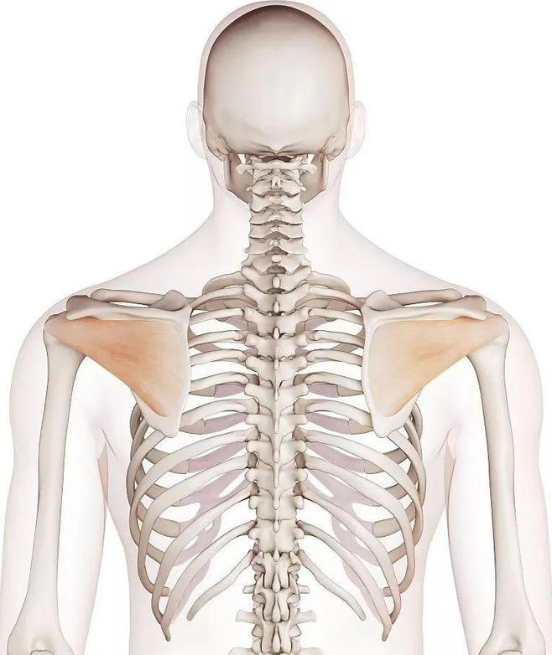
The human skeletal system is a masterpiece of biological engineering, providing the framework that supports the body, protects vital organs, and enables complex movement. While often perceived as static, bones are dynamic, living tissues that constantly undergo a process of renewal known as remodeling. This guide provides a deep dive into the anatomy of bones, their various types, and the essential roles they play in human physiology.
Understanding the skeletal system requires looking beyond the surface. From the microscopic collagen fibers to the dense calcium-rich matrix, every element of a bone is optimized for strength and flexibility. Whether you are a student of anatomy or someone looking to improve their bone health, this pillar page serves as the definitive resource for understanding the foundations of the human frame.
The Biological Classification of Human Bones
Not all bones are created equal. The human body contains 206 distinct bones, each categorized by its shape and specific function within the body. This classification is vital for understanding how different parts of the skeleton interact to facilitate movement and provide structural integrity.
Long Bones
Long bones are characterized by a shaft (diaphysis) that is much longer than it is wide. These bones, such as the femur, humerus, and tibia, function primarily as levers. When muscles contract, these bones move, allowing for locomotion and the lifting of objects. They contain a central marrow cavity that is a primary site for blood cell production.
Short, Flat, and Irregular Bones
Short bones, like those in the wrist (carpals) and ankle (tarsals), provide stability and support with limited motion. Flat bones, such as the cranium and sternum, serve as protective shields for internal organs and provide broad surfaces for muscle attachment. Irregular bones, like the vertebrae, have complex shapes that do not fit into other categories but are essential for protecting the spinal cord and maintaining posture.

Microscopic and Macroscopic Bone Structure
To understand the strength of bone, one must examine its internal architecture. Bone is a composite material consisting of an organic component (collagen) for flexibility and an inorganic component (hydroxyapatite) for hardness. This combination allows bones to resist compression while avoiding brittleness.
Cortical and Cancellous Tissue
The outer layer of a bone is composed of compact (cortical) bone, which is dense and hard. It is organized into repeating functional units called osteons. Inside this dense shell lies the spongy (cancellous) bone. This lattice-like structure, known as trabeculae, is designed to handle stress from multiple directions while keeping the skeleton lightweight.
| Feature | Compact Bone (Cortical) | Spongy Bone (Cancellous) |
|---|---|---|
| Density | High density, low porosity | Low density, high porosity |
| Location | Outer shell of all bones | Ends of long bones, interior of others |
| Function | Structural support and protection | Shock absorption and marrow storage |
| Unit | Osteons (Haversian systems) | Trabeculae |
Vital Functions of the Skeletal System
The skeleton does much more than just hold the body upright. It is a multifunctional organ system involved in metabolic and physiological processes that are critical for survival.
- Support and Framework: Providing the scaffolding that maintains body shape and supports soft tissues.
- Protection: Enclosing vital organs, such as the brain within the skull and the heart within the ribcage.
- Mineral Storage: Acting as a reservoir for calcium and phosphorus, which are released into the bloodstream as needed.
- Hematopoiesis: The production of red and white blood cells within the red bone marrow.
- Energy Storage: Storing lipids (fats) in the yellow bone marrow of long bones.
Expert Strategies for Maintaining Bone Density
Bone health is a lifelong commitment. As we age, the rate of bone resorption can begin to exceed the rate of bone formation, leading to conditions like osteopenia or osteoporosis. Following these expert strategies can help maintain a robust skeletal system.
Nutritional Foundations
Calcium is the primary building block of bone, but it cannot be absorbed effectively without Vitamin D. Ensure your diet includes leafy greens, dairy or fortified plant milks, and fatty fish. Furthermore, Vitamin K2 and Magnesium play supporting roles in ensuring calcium is directed to the bones rather than the arteries.
Weight-Bearing Exercise
Bones adapt to the stress placed upon them (Wolff’s Law). Weight-bearing exercises such as walking, jogging, weightlifting, and climbing stairs stimulate osteoblasts (bone-building cells) to lay down new bone tissue, increasing overall density and strength.
Pro Tips for Skeletal Longevity
- Avoid Excessive Caffeine: High caffeine intake can interfere with calcium absorption.
- Monitor Sodium Intake: High salt diets can cause the body to lose calcium through urine.
- Quit Smoking: Tobacco use is a significant risk factor for decreased bone density and fractures.
Frequently Asked Questions (FAQ)
- How many bones are in the human body?
- An adult human typically has 206 bones. However, infants are born with approximately 270 bones, many of which fuse together as the child grows.
- What is the strongest bone in the body?
- The femur, or thigh bone, is the longest, heaviest, and strongest bone in the human body. It can support up to 30 times the weight of an adult’s body.
- How do bones heal after a fracture?
- Bones heal through a four-stage process: inflammation, soft callus formation, hard callus formation (ossification), and finally, bone remodeling where the bone returns to its original shape.
- Why do bones become brittle with age?
- As people age, hormonal changes and decreased physical activity can lead to a loss of minerals and collagen, making bones more porous and susceptible to breaks.
- Can you improve bone density after age 30?
- While peak bone mass is usually reached by age 30, you can still maintain and slightly improve bone density through proper nutrition, strength training, and avoiding lifestyle habits that deplete bone minerals.