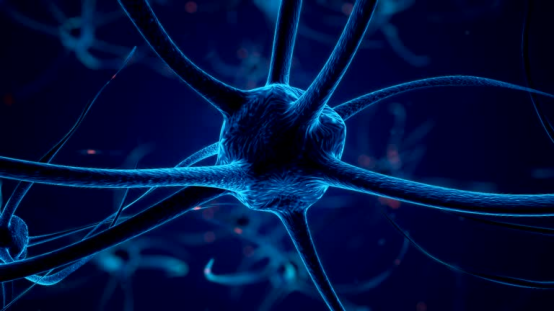
The human body is a marvel of complexity, an intricate network of systems working in constant concert. At the heart of this coordination is a sophisticated communication network that relies on chemical messengers to transmit signals between cells, tissues, and organs. This biological signaling governs everything from our thoughts and emotions to our metabolism and immune responses. Understanding these pathways—including neurotransmitters, hormones, the gut-brain axis, and even surprising players like taste receptors—is key to unlocking a deeper appreciation for human health and physiology. This guide will provide an in-depth exploration of these critical communication systems, revealing how they function, interact, and ultimately define our biological experience.
The Brain’s Chemical Messengers: Neurotransmitters
At the core of the nervous system’s communication network are neurotransmitters. These are chemical substances released by neurons (nerve cells) to transmit signals across a tiny gap called a synapse to another neuron, muscle cell, or gland. This process of neurotransmission is incredibly fast and precise, allowing for the rapid processing of information that underpins all brain functions, from simple reflexes to complex cognitive tasks.
What Defines a Neurotransmitter?
For a molecule to be classified as a neurotransmitter, it must meet several criteria. First, it must be synthesized and stored within the presynaptic neuron. Second, it must be released in response to an action potential, the electrical impulse that travels down a neuron. Third, when released, it must bind to specific receptors on the postsynaptic cell and elicit a biological effect. Finally, there must be a mechanism to terminate its action, either through reuptake into the presynaptic neuron, enzymatic degradation, or diffusion away from the synapse.
Key Neurotransmitters and Their Functions
The brain utilizes dozens of different neurotransmitters, often categorized as either excitatory or inhibitory. Excitatory neurotransmitters increase the likelihood that the receiving neuron will fire an action potential, while inhibitory neurotransmitters decrease this likelihood. Many neurotransmitters can have both effects depending on the receptor they bind to.
- Dopamine: Often called the “feel-good” neurotransmitter, dopamine is central to the brain’s reward system. It plays a crucial role in motivation, pleasure, attention, and motor control. Imbalances in dopamine levels are associated with conditions like Parkinson’s disease (low levels) and addiction.
- Serotonin: This neurotransmitter is a key regulator of mood, sleep, appetite, and social behavior. It contributes to feelings of well-being and happiness. Many antidepressant medications, known as SSRIs, work by increasing the amount of available serotonin in the brain.
- GABA (Gamma-Aminobutyric Acid): As the primary inhibitory neurotransmitter in the brain, GABA’s main function is to reduce neuronal excitability. It helps to calm the nervous system, reduce anxiety, and promote sleep.
- Glutamate: In contrast to GABA, glutamate is the most abundant excitatory neurotransmitter. It is vital for learning, memory formation, and synaptic plasticity—the ability of synapses to strengthen or weaken over time.
The Role of Amino Acids as Precursors
The synthesis of many critical neurotransmitters begins with amino acids, the fundamental building blocks of proteins. These can be categorized as essential (must be obtained from diet) or non-essential (can be synthesized by the body). The availability of specific amino acids directly impacts the production of their corresponding neurotransmitters. For example, the amino acid tryptophan is the precursor for serotonin, while tyrosine is the precursor for dopamine. This link highlights the profound impact of nutrition on brain chemistry and function.

The Endocrine System: Hormone Signaling Across the Body
While neurotransmitters manage rapid, localized communication within the nervous system, hormones are the body’s long-distance messengers. Produced by glands of the endocrine system, hormones travel through the bloodstream to target cells and organs throughout the body, regulating slower, more widespread processes like growth, metabolism, and stress response. This chemical communication network is essential for maintaining homeostasis, the body’s stable internal environment.
How Hormone Signaling Works
The process begins when an endocrine gland, such as the pituitary, thyroid, or adrenal gland, releases a specific hormone into the bloodstream in response to a signal. This hormone then circulates throughout the body until it finds a target cell with a compatible receptor, much like a key fitting into a lock. Upon binding to the receptor, the hormone triggers a specific response inside the cell, which can range from altering gene expression to activating an enzyme. This system’s effects are typically slower to initiate but longer-lasting than those of the nervous system.
Spotlight on Critical Hormones
The endocrine system produces a vast array of hormones, each with a unique function. Two of the most well-known are related to the body’s stress response.
- Cortisol: Often called the “stress hormone,” cortisol is released by the adrenal glands. It plays a vital role in the “fight or flight” response by increasing blood sugar, suppressing the immune system, and aiding in the metabolism of fat, protein, and carbohydrates. While essential for short-term survival, chronically elevated cortisol levels can have detrimental effects on health.
- Adrenaline (Epinephrine): Also released by the adrenal glands, adrenaline is responsible for the immediate reactions we feel when stressed or excited. It increases heart rate, blood pressure, and energy supplies, preparing the body for intense physical exertion.
Insulin: The Master Metabolic Regulator and its Brain Connection
One of the most critical hormones for metabolic health is insulin, produced by the pancreas. Its primary role is to regulate blood glucose levels by signaling cells in the liver, muscle, and fat tissue to absorb glucose from the blood. When this system is impaired, it can lead to conditions like type 2 diabetes. However, insulin’s role is not confined to the body; it also has profound effects on the brain. Insulin receptors are present in various brain regions, and the hormone is involved in cognitive functions such as learning and memory. Emerging research has even linked insulin resistance in the brain to an increased risk of neurodegenerative diseases like Alzheimer’s.

The Gut-Brain Axis: A Second Brain in Command
Increasingly recognized as a central component of overall health, the gut-brain axis is a complex, bidirectional communication network that links the emotional and cognitive centers of the brain with peripheral intestinal functions. This connection is so profound that the gut is often referred to as the “second brain,” containing its own extensive neural network known as the enteric nervous system. This pathway ensures that the brain and gut are in constant dialogue, influencing everything from digestion to mood.
Understanding the Bidirectional Communication Pathway
Communication along the gut-brain axis flows in both directions. The brain can influence gut functions, such as motility and secretion, which is why stress or anxiety can lead to digestive discomfort. Conversely, the gut can significantly influence brain function and mental health. This communication occurs through several mechanisms, including the nervous system, the immune system, and the endocrine system via hormonal signals.
The Vagus Nerve: The Superhighway of Information
A primary physical link between the brain and the gut is the vagus nerve, the longest cranial nerve in the body. It acts as a superhighway, transmitting a vast amount of information from the gut lining and microbiota directly to the brain. It is estimated that approximately 90% of the signals passing along the vagus nerve travel from the gut to the brain, not the other way around. This underscores the immense influence the gut environment has on our central nervous system.
How Gut Microbiota Influence Mood and Cognition
The trillions of microorganisms residing in the gut, collectively known as the gut microbiota, are key players in the gut-brain axis. These microbes can produce a wide range of neuroactive compounds, including neurotransmitters like serotonin and dopamine. In fact, it is estimated that up to 95% of the body’s serotonin is produced in the gut. The microbiota also produce short-chain fatty acids (SCFAs) by fermenting dietary fiber. These SCFAs can cross the blood-brain barrier and influence brain function, reduce inflammation, and support mental health. An imbalance in the gut microbiota, or dysbiosis, has been linked to anxiety, depression, and other neurological conditions.

Beyond the Obvious: Unconventional Signaling Pathways
While neurotransmitters and hormones are the primary signaling molecules, the body employs other fascinating and less-understood communication methods. Among these are taste receptors, which have been discovered in locations far beyond the tongue. In particular, bitter taste receptors (T2Rs) are emerging as a crucial part of a widespread chemosensory system that plays a protective role throughout the body.
The Surprising Role of Bitter Taste Receptors (T2Rs)
On the tongue, T2Rs serve an obvious evolutionary purpose: to detect potentially toxic or poisonous substances in food, triggering an aversive reaction. However, scientists have found that these same receptors are expressed in numerous other tissues, including the respiratory tract, the gastrointestinal system, and even the brain. In these locations, they are not involved in the perception of taste but act as sentinels, detecting specific chemical signals and initiating protective physiological responses.
T2Rs in the Gut, Lungs, and Beyond
The function of these extra-oral T2Rs is tailored to their location. A detailed look reveals their diverse roles:
- In the Airways: When T2Rs in the cilia of respiratory cells detect bitter compounds produced by bacteria, they can trigger responses that help clear infections. This includes increasing the beating frequency of cilia to move mucus out of the lungs and releasing antimicrobial substances.
- In the Digestive System: T2Rs in the gut can detect bacterial metabolites or toxins. Their activation can lead to the release of hormones like cholecystokinin (CCK) to slow gastric emptying, giving the body more time to deal with a potential threat, or increase fluid secretion to flush out harmful substances.
- In the Immune System: These receptors are also found on immune cells, where they can modulate inflammatory responses, highlighting their direct role in the body’s defense mechanisms.
This distributed network of bitter taste receptors represents a sophisticated, ancient signaling system designed to protect the body from a wide range of chemical and microbial threats, operating silently in the background of our primary communication networks.

Integrating the Systems: A Holistic View of Body Communication
The body’s signaling systems do not operate in isolation. They are deeply interconnected, forming a cohesive network where the actions of one system constantly influence the others. Neurotransmitters, hormones, gut signals, and other pathways are all part of a larger, integrated web of communication that maintains health and allows the body to adapt to its environment. Understanding these interactions is crucial for a complete picture of human physiology.
How Neurotransmitters, Hormones, and Gut Signals Interact
The interplay between these systems is constant and complex. For example, the stress response involves both the nervous and endocrine systems: the brain perceives a threat (neurotransmitters) and signals the adrenal glands to release cortisol and adrenaline (hormones). The gut-brain axis provides another clear example, where gut microbes produce neurotransmitters that influence the brain via the vagus nerve, and the brain, in turn, regulates gut function through hormonal and neural signals. The availability of amino acids from our diet directly impacts the synthesis of both peptide hormones and neurotransmitters, linking nutrition directly to the functionality of both systems.
Lifestyle Factors that Influence Signaling
The delicate balance of these communication networks can be significantly influenced by lifestyle choices. An awareness of these factors empowers individuals to support their own physiological harmony.
- Diet: A diet rich in fiber supports a healthy gut microbiota, promoting the production of beneficial SCFAs and neurotransmitters. Consuming a full spectrum of amino acids is essential for producing the body’s chemical messengers.
- Stress Management: Chronic stress leads to sustained high levels of cortisol, which can disrupt sleep, impair cognitive function, and negatively affect the gut microbiome. Practices like meditation and mindfulness can help regulate the stress response.
- Exercise: Physical activity is known to boost levels of endorphins and neurotransmitters like dopamine and serotonin, improving mood and cognitive function. It also improves insulin sensitivity, enhancing metabolic health.
By adopting a holistic perspective, we can appreciate that supporting one signaling system often leads to benefits across the entire network, contributing to greater overall health and well-being.
Frequently Asked Questions (FAQ)
- What is the main difference between neurotransmitters and hormones?
- The primary difference lies in their mode of transport and the speed and scope of their action. Neurotransmitters are released by neurons and travel across a very short distance (a synapse) to act on an adjacent cell. Their action is extremely fast and localized. Hormones are released by endocrine glands into the bloodstream and travel throughout the body to act on distant target cells. Their action is slower to start but is more widespread and longer-lasting.
- How does my diet directly affect my mood and brain function?
- Your diet has a profound impact on brain function through several mechanisms. First, many neurotransmitters, such as serotonin and dopamine, are synthesized from amino acids (tryptophan and tyrosine, respectively) that must be obtained from protein in your diet. Second, the health of your gut microbiota, which is heavily influenced by dietary fiber, is crucial for producing neuroactive compounds that communicate with the brain via the gut-brain axis. Finally, hormones like insulin, which are affected by your sugar and carbohydrate intake, also play a role in cognitive processes.
- Can I improve my gut-brain connection?
- Yes, you can actively support a healthy gut-brain axis. Key strategies include eating a diverse, high-fiber diet rich in fruits, vegetables, and whole grains to nourish your gut microbiota. Consuming fermented foods like yogurt, kefir, and sauerkraut can introduce beneficial probiotics. Managing stress through techniques like meditation or deep breathing is also vital, as stress negatively impacts both gut health and brain function. Regular exercise further supports this connection by reducing inflammation and boosting mood-regulating neurotransmitters.
- Are bitter taste receptors only for detecting poison?
- While detecting potentially toxic bitter compounds in food is their original and best-known function, bitter taste receptors (T2Rs) have a much broader role. They are found throughout the body, including in the lungs, gut, and on immune cells, where they act as a surveillance system. In these locations, they detect chemical signals from bacteria and other sources to trigger protective responses, such as clearing pathogens from the airways or modulating immune activity. They are a key part of the body’s innate defense system, not just a tool for taste perception.
- Why is insulin important for the brain if it regulates blood sugar?
- While insulin’s primary role is regulating blood glucose in the body, it is also a critical signaling molecule in the brain. The brain has insulin receptors and requires insulin for several key functions, including neuronal survival, synaptic plasticity (the basis of learning and memory), and regulating appetite. Insulin resistance, a condition where cells stop responding properly to insulin, can also occur in the brain. This “brain insulin resistance” is increasingly being linked to cognitive decline and a higher risk for neurodegenerative diseases like Alzheimer’s.