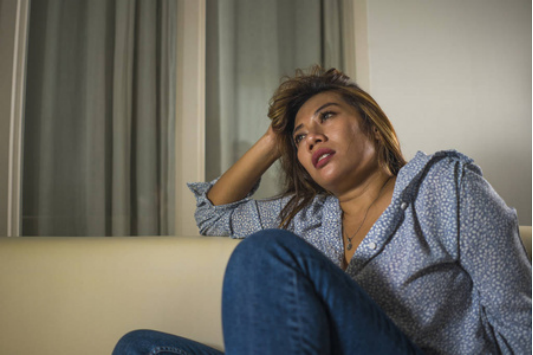
Anxiety involves emotions of worry, fear, and restlessness, affecting cognition, emotions, and the body. It may trigger negative thinking, a sense of loss of control, and physical symptoms such as sweating, trembling, and shortness of breath. While these symptoms are common in those with anxiety disorders, anyone can experience them. Fortunately, there are strategies to help cope with anxiety, including breathing exercises, distraction techniques, and self-compassion.
Mindful Moments
Need a breather? Try this free 5-minute meditation focused on relieving anxiety—or pick another from our guided meditation library to bring out your best.
You may worry about bad things happening in the future or still feel upset about past events. Whatever you’re anxious about, a large part of the problem is that you’re not focused on the present.
When you stop fixating on worries and redirect your attention to the present moment, anxiety loses its grip.
The next time anxiety starts pulling you out of the present, try sitting down, taking a few deep breaths, and regain control. Taking time to pause and breathe helps restore a sense of balance and ground you in the now. You can experiment with various breathing exercises to see which works best for you.
Practice breathing techniques: Sit comfortably, close your eyes, inhale deeply through your nose, and exhale fully. Continue deep breathing, using “being present” as a mantra—mentally say “be” on the inhale and “present” on the exhale. Observe your surroundings, noticing sights, sounds, smells, and physical sensations.
Breathing exercises are powerful relaxation tools that help relieve anxiety in both mind and body while shifting focus to the present. Many anxiety-relief apps can guide you through deep breathing and relaxation techniques.
Identify What’s Bothering You
To uncover the root of your anxiety, you need to clarify what’s troubling you. Set aside time to sort through your thoughts and feelings.
Journaling is an excellent way to gain insight into your anxiety’s origins. If anxiety keeps you awake at night, keep a journal or notepad by your bed. Write down everything that’s bothering you. Talking with a friend is another way to identify and understand your anxious feelings.
Focus on What You Can Change
Often, anxiety stems from fear of things that haven’t happened and may never occur. For example, even when everything is fine, you might worry about potential issues like job loss, illness, or loved ones’ safety.
Life is unpredictable, and no matter how hard you try, you can’t always control what happens. However, you can decide how to respond to the unknown. By letting go of fear and practicing gratitude, you can transform anxiety into a source of strength.
Replace fear by changing your attitude toward it:
- Instead of worrying about losing your job, focus on gratitude for having one and resolve to do your best at work.
- Rather than fearing for a loved one’s safety, spend time with them or express your appreciation.
With practice, you can learn to cultivate a more positive mindset.
Sometimes, anxiety may be triggered by real-life circumstances. For instance, you might have legitimate reasons to worry about job loss due to large-scale layoffs or downsizing rumors at your company. In such cases, taking action may alleviate anxiety—for example, updating your resume and starting a job search.
Distract Yourself
Sometimes, the most effective approach is to shift your attention from anxiety to other things. Connect with others, do household chores, or engage in a pleasurable activity or hobby. You can:
- Do housework or tackle a home project
- Engage in creative activities like sketching, painting, or writing
- Go for a walk or do other physical exercises
- Listen to music
- Pray or meditate
- Read a good book or watch a funny movie
Strengthen Your Body and Mind
Lifestyle changes can also help prevent anxiety and cope with anxiety attacks. Your diet, sleep duration, and physical activity level all influence how you experience anxiety.
- Nutritious foods: Studies have found that diet affects mood and stress levels. For example, people who eat more fruits and vegetables tend to have lower stress levels.
- Physical activity: Research also shows that regular physical activity helps relieve and prevent anxiety. One study found that exercise prevents anxiety disorders and significantly reduces anxiety symptoms.
- Sleep: Adequate rest also has a major impact on mental health and anxiety levels. Studies have found that sleep problems are risk factors for anxiety disorders, including generalized anxiety disorder. Even short-term sleep disruptions can increase stress and anxiety.
Many people experience occasional anxiety, which can be relieved through breathing exercises, journaling, gratitude practices, distraction, and self-care. However, when anxiety affects daily activities and relationships, it may signal a mental health issue. If you experience anxiety or panic symptoms, consult a doctor or mental health professional, who can provide help and recommend diagnostic and treatment options.