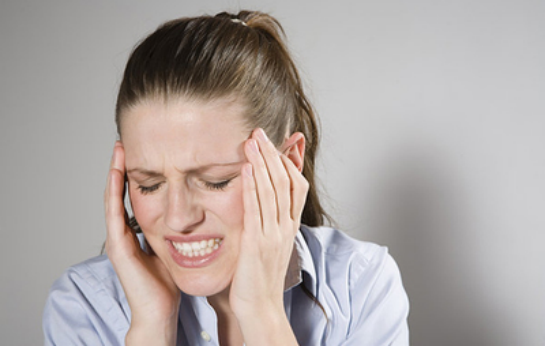
For individuals with generalized anxiety disorder (GAD), mastering strategies to manage persistent anxiety and physical symptoms is crucial. While everyone’s experience may differ, most people commonly encounter symptoms such as muscle tension, physical pain, procrastination, feelings of isolation, and intrusive thoughts or constant worry. Fortunately, there are various coping strategies to help manage these symptoms.
Social Coping Strategies for GAD
Social support is a vital component of coping with mental health issues like GAD. For some, social coping strategies can help control symptoms, overcome fears, and even improve social life, thereby enhancing overall quality of life.
Engage in Activities
When anxious, we tend to isolate ourselves, which can lead to disconnection from others and society. Participating in activities helps us feel a sense of purpose and belonging. Social activities not only keep us busy but also divert our focus from worries, thus alleviating GAD symptoms.
Talk to Others
Anxiety can make us feel like our experiences are unique and that no one else can relate. However, this is far from the truth. Find a trusted person and share the challenges you face. Don’t hesitate to start a conversation about what you’re struggling with.
Being open about your challenges can also create space for others to share their own struggles.
Seek Support
When battling anxiety, it’s important to find a support system. A variety of resources—both offline and online—can provide significant help. A group of people who understand your experiences and can offer advice on effective coping strategies can be invaluable.
Laugh
Anxiety often strips away our joy and hinders our ability to have fun. Remember to nurture your desire to enjoy life and laugh heartily. Research has found that humor can serve as a daily tool to combat anxiety and promote mental well-being.
You can find humor in books, TV shows, or online resources. Taking time to laugh and have fun gently reminds you that anxiety does not have to control everything.
Emotional Coping Strategies for GAD
Emotional symptoms such as worry, rumination, and intrusive thoughts are also common in people with GAD. Try these strategies to cope with intrusive thoughts, persistent worry or fear, uncertainty, or feelings of being overwhelmed:

Identify Your Anxiety Triggers
As you practice slowing down and being more present, it can help to notice the situations that seem to trigger your anxiety. While you may not always be able to avoid these triggers, being aware of them can help you think more clearly and take steps to cope with stress in those specific contexts.
Learning cognitive methods to deal with anxiety—such as dismissing anxious thoughts and quieting the constant “what if” questions—can be helpful.
Practice Acceptance
Anxiety is not your fault; it stems from multiple factors, including genetics, biology, family history, and life experiences. GAD usually does not have a single cause, and many people struggle with it. Although it may be difficult, learning to accept anxiety as an opportunity for self-care and growth can be beneficial. Accepting your emotions helps improve emotional health, and identifying your emotions is the first step toward achieving this.
Maintain a Positive Mindset
Don’t lose hope for a better life. Many people with anxiety lead full, productive, and happy lives.
The key is to take time to understand which strategies work for you, stay connected with others, and maintain a positive attitude.
Seek inspiration from quotes, poetry, music, nature, and social relationships—there is no shortage of hopeful and uplifting examples around us.
Eat Healthily
What we put into our bodies affects how we feel physically and emotionally. While food does not cause anxiety, it can influence our mood.
Some evidence suggests that people who consume diets high in fat, sugar, and refined carbohydrates experience higher levels of anxiety, while those who eat more fruits, vegetables, and micronutrients have lower anxiety levels.
Consuming sugary snacks and processed foods can cause rapid spikes and crashes in blood sugar, which may trigger restlessness and fatigue.
Exercise
Research has shown that exercise is an effective treatment for anxiety. Moving your body is a great way to cope with stress. Exercise helps boost endorphin levels and relieve tension.
The key is to find activities you can do regularly. Try something new or return to a hobby you enjoy. Whatever form of exercise you choose, it will be beneficial.
Stick to a regular schedule, aiming for three to four or more sessions per week. You can also try massage or progressive muscle relaxation to relieve the muscle tension often associated with anxiety.
Get Adequate Sleep
According to the Centers for Disease Control and Prevention (CDC), only one-third of adults in the United States get the recommended 7 hours of sleep at night.
While it may be difficult to fall asleep when anxious, establishing a consistent nighttime routine can help you relax and prepare for quality sleep.
Activities such as progressive muscle relaxation, reading, journaling, and turning off electronic devices at least an hour before bed can help prepare your mind and body for rest. If you struggle with racing thoughts and anxiety, incorporating a “brain dump”—writing a to-do list or worry journal—into your pre-sleep routine can also be helpful.
Practice Breathing
Dysfunctional shallow breathing is a common symptom of anxiety disorders. This rapid, superficial breathing is often accompanied by chest tightness and muscle tension. In such moments, we often forget to breathe normally and instead take rapid, shallow breaths. Practicing slow diaphragmatic breathing can help.
Studies have shown that breathing exercises are an effective intervention for reducing feelings of anxiety.
Cognitive-Behavioral Coping Strategies for GAD
Implementing some cognitive-behavioral intervention strategies commonly used for GAD may also be helpful. Some potentially useful strategies include:
Cognitive Restructuring
Cognitive restructuring involves changing the way you view a situation to make it more realistic or positive. Altering your perspective on various situations can help reduce anxiety. For example, if you redefine a stressful work situation as a potential learning opportunity, you may find it less stressful and oppressive.
Exposure
Exposure therapy is a treatment for anxiety disorders that involves gradual, systematic exposure to the things that make you anxious. With repeated exposure, feelings of fear and worry gradually diminish.
In the process of coping with GAD, remember that you are not alone and can lead a fulfilling life. Although anxiety and worry may pose obstacles, there are resources and professionals available to help. Learning coping skills, seeking help, and maintaining a positive attitude are all beneficial. Talk to professionals such as therapists who understand your experiences and can help you learn to effectively tackle challenges.