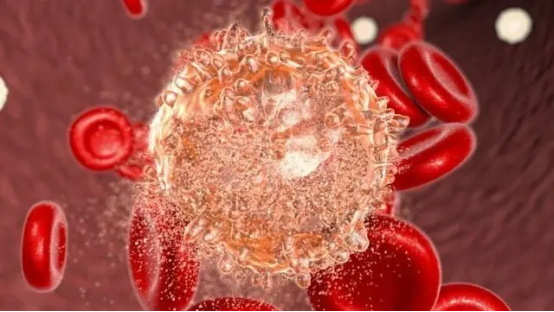
The microscopic world is dominated by two primary types of entities that significantly impact human health: viruses and bacteria. While both can cause disease, they are fundamentally different in terms of biology, structure, and how they interact with their environment. Understanding these differences is not merely an academic exercise; it is the cornerstone of modern medicine, influencing everything from how we treat a common cold to how we engineer cures for genetic disorders. In this guide, we dissect the nuances of these microbes and explore the dual nature of viruses as both pathogens and pioneers in biotechnology.
Fundamental Structural and Biological Differences
At the most basic level, the distinction between bacteria and viruses lies in their classification as living or non-living entities. Bacteria are single-celled, living organisms that can survive in diverse environments, including soil, water, and the human gut. Viruses, conversely, are often described as “biological entities” or “obligate intracellular parasites” because they cannot survive or reproduce outside of a host cell.
Size and Complexity
The scale of these microbes is vastly different. Bacteria are relatively large, typically ranging from 0.5 to 5.0 micrometers in length. They are visible under a standard light microscope. In contrast, viruses are submicroscopic, usually measuring between 20 and 300 nanometers. To put this in perspective, a virus is roughly 10 to 100 times smaller than the average bacterium, requiring an electron microscope for visualization.
Cellular Architecture
Bacteria possess a complex cellular structure. They are prokaryotes, meaning they lack a nucleus but contain essential organelles like ribosomes and a cytoplasm enclosed by a cell wall and membrane. This allows them to perform metabolic functions independently. Viruses are much simpler, consisting primarily of a piece of genetic material (either DNA or RNA) encased in a protein coat called a capsid. Some viruses also have an outer lipid envelope stolen from their host cell, but they lack the machinery to generate energy or synthesize proteins on their own.
| Feature | Bacteria | Viruses |
|---|---|---|
| Life Status | Living, single-celled organism | Non-living, infectious agent |
| Size | 0.5–5.0 micrometers | 20–300 nanometers |
| Reproduction | Asexual (Binary Fission) | Host cell hijacking |
| Genetic Material | DNA (circular) | DNA or RNA |
| Treatment | Antibiotics | Vaccines and Antivirals |

Mechanisms of Replication and Host Interaction
The way these microbes multiply defines their impact on the host. Bacteria are self-sufficient reproducers. Through a process called binary fission, a single bacterium duplicates its genetic material and divides into two identical daughter cells. This exponential growth can lead to massive colonies in a very short period under optimal conditions.
The Viral Hijacking Process
Viruses cannot reproduce on their own. Instead, they must infect a host cell and “reprogram” it to become a virus factory. This process generally involves several stages:
- Attachment: The virus binds to specific receptors on the surface of a host cell.
- Entry: The virus or its genetic material enters the cell.
- Replication and Synthesis: The viral genome takes over the cell’s machinery to produce viral proteins and nucleic acids.
- Assembly: New viral particles are put together.
- Release: The new viruses exit the cell, often destroying the host cell in the process (lysis), to infect neighboring cells.
Beneficial vs. Harmful Interactions
It is a common misconception that all bacteria are harmful. In fact, the human body is home to trillions of “good” bacteria, known as the microbiome, which aid in digestion and protect against pathogens. Viruses, while predominantly known for causing diseases like influenza, COVID-19, and HIV, also play complex roles in ecosystems, such as bacteriophages that keep bacterial populations in check.

Treatment Paradigms: Antibiotics vs. Antivirals
The biological differences between viruses and bacteria dictate how we fight them. One of the most dangerous medical errors is the attempt to treat a viral infection with antibiotics. Antibiotics are designed to target specific bacterial structures or metabolic pathways—such as the synthesis of the bacterial cell wall or the function of bacterial ribosomes. Because viruses lack these structures, antibiotics have absolutely no effect on them.
The Role of Vaccines
Vaccines are the most effective tool against viral diseases. By introducing a harmless piece of the virus (or instructions to make one) to the immune system, vaccines “train” the body to recognize and neutralize the pathogen upon future exposure. This has led to the eradication of smallpox and the near-elimination of polio.
Antiviral Medications
Unlike antibiotics which kill bacteria, antiviral drugs typically work by inhibiting a specific stage of the viral life cycle, such as preventing the virus from entering a cell or blocking the replication of its genetic material. These treatments are often complex because viruses reside inside human cells, making it difficult to kill the virus without damaging the host.

From Pathogens to Partners: Viruses in Modern Medicine
In a remarkable twist of scientific progress, researchers have learned to harness the very mechanism that makes viruses dangerous—their ability to infiltrate cells—for therapeutic purposes. This field, known as viral vector technology, is the foundation of modern gene therapy.
Viruses as Gene Delivery Vehicles
In gene therapy, scientists strip a virus of its disease-causing genes and replace them with healthy, therapeutic genes. The modified virus then acts as a “molecular delivery truck,” carrying the corrective genetic material directly into the patient’s cells. This approach is being used to treat previously incurable genetic disorders, such as certain types of blindness, muscular dystrophy, and hemophilia.
Oncolytic Virotherapy
Another cutting-edge application is the use of oncolytic viruses. These are viruses engineered to specifically target and kill cancer cells while leaving healthy cells unharmed. By lysing (bursting) the cancer cells, these viruses also release tumor antigens, which help the patient’s own immune system recognize and attack the remaining cancer.
Bacteriophage Therapy
As antibiotic resistance becomes a global crisis, scientists are revisiting bacteriophages—viruses that naturally infect and kill bacteria. Phage therapy offers a highly specific alternative to broad-spectrum antibiotics, as each phage targets only a specific strain of bacteria, preserving the beneficial microbiome while eliminating the pathogen.
Frequently Asked Questions (FAQ)
- Q1: Why can’t I take antibiotics for a cold or the flu?
- Colds and the flu are caused by viruses. Antibiotics are designed to disrupt the cellular processes of bacteria, such as cell wall synthesis. Since viruses do not have cells or these specific metabolic pathways, antibiotics cannot kill them. Taking antibiotics for viral infections contributes to the global problem of antibiotic resistance.
- Q2: Are all bacteria bad for the human body?
- No, the vast majority of bacteria are either harmless or highly beneficial. The human microbiome consists of trillions of bacteria living in our gut, skin, and mouth that help digest food, produce vitamins (like Vitamin K), and prevent the growth of harmful pathogens.
- Q3: How do viruses “live” if they are considered non-living?
- Viruses exist in a gray area between living and non-living. They possess genetic material and can evolve, but they lack metabolism and cannot reproduce independently. They are essentially “active” only when they have hijacked a living host cell’s machinery.
- Q4: What is a viral vector in gene therapy?
- A viral vector is a virus that has been modified in a lab to remove its ability to cause disease. It is then used as a tool to deliver therapeutic genes into a patient’s cells to treat genetic diseases or provide instructions for the body to fight cancer.
- Q5: What is the main difference in how viruses and bacteria reproduce?
- Bacteria reproduce through binary fission, a form of asexual reproduction where one cell divides into two. Viruses must infect a host cell, inject their genetic material, and force the host cell to manufacture new viral particles, which are then released to infect other cells.