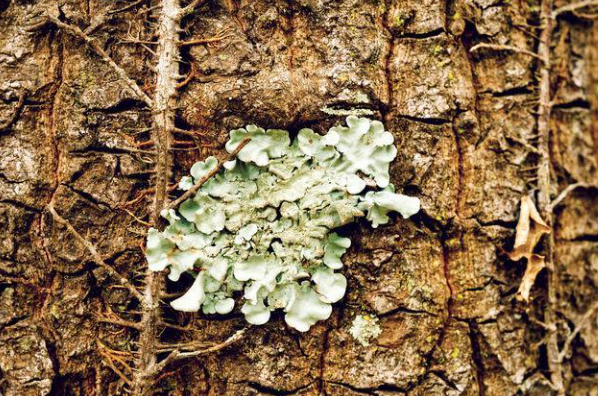
Microorganisms are the most abundant and diverse life forms on Earth, yet they remain largely invisible to the naked eye. From the deep-sea hydrothermal vents to the fertile soil beneath our feet, these “invisible architects” drive the essential processes that sustain life. This guide provides a multi-dimensional analysis of microbial behavior, ecological roles, and their profound influence on human civilization through fermentation, medicine, and environmental management.
The Foundation of Global Ecology: How Microbes Shape Our Planet
Microbes are not merely passive inhabitants of the environment; they are the primary drivers of Earth’s biogeochemical cycles. Without their constant activity, the recycling of essential elements like carbon, nitrogen, and phosphorus would cease, leading to a total collapse of the biosphere. They act as the planet’s ultimate recyclers, breaking down organic matter and returning nutrients to the soil and atmosphere.
Nutrient Cycling and Soil Health
The health of terrestrial ecosystems depends heavily on the microbial communities residing in the soil. These organisms facilitate decomposition, the process by which dead plant and animal matter is broken down into simpler compounds. This process releases nitrogen and phosphorus, which are then reabsorbed by plants, creating a continuous loop of life. In the absence of these microbes, the Earth would be buried under layers of organic waste, and plant life would quickly exhaust the available nutrients.
Carbon Sequestration and Climate Regulation
Microbes play a critical role in the global carbon cycle. While some microbes release CO2 through respiration, others, such as those found in peatlands and the deep ocean, help store carbon for thousands of years. Marine microbes, particularly phytoplankton, are responsible for nearly half of the world’s photosynthetic activity, absorbing vast amounts of atmospheric carbon dioxide and producing oxygen. This microbial “pump” is a vital mechanism in regulating the Earth’s temperature and mitigating the effects of climate change.

Symbiotic Alliances: The Miracle of Fungi and Plant Partnerships
One of the most profound examples of microbial cooperation is the relationship between fungi and plants. This symbiosis, known as mycorrhiza, has existed for hundreds of millions of years and was likely essential for the colonization of land by early plants. In this partnership, the fungus and the plant trade resources in a sophisticated biological marketplace.
The Mycorrhizal Network: The ‘Wood Wide Web’
Beneath the forest floor, fungal hyphae (thin, thread-like structures) wrap around or penetrate plant roots to form an expansive network. This network acts as an extension of the plant’s root system, allowing it to access water and minerals far beyond its reach. In exchange, the plant provides the fungus with sugars produced through photosynthesis. This interaction is so extensive that it is often referred to as the “Wood Wide Web,” as it allows different plants to communicate and even share nutrients through the shared fungal network.
Benefits of Fungal Symbiosis
- Enhanced Nutrient Uptake: Fungi are exceptionally efficient at extracting phosphorus and nitrogen from the soil, which are often limiting factors for plant growth.
- Drought Resistance: The vast surface area of fungal hyphae improves water absorption, helping plants survive during periods of low rainfall.
- Pathogen Protection: Symbiotic fungi can create a physical barrier around roots or produce chemical compounds that deter harmful soil-borne pathogens.

Microbes in the Kitchen: The Science of Yeast and Fermentation
Humanity has harnessed the power of microbes for millennia, particularly in the realm of food production. Yeast and bacteria are the primary agents behind fermentation, a metabolic process that transforms raw ingredients into flavorful, preserved, and nutritionally enriched foods.
Yeast: The Versatile Single-Celled Powerhouse
The most famous of these microbes is Saccharomyces cerevisiae, commonly known as brewer’s or baker’s yeast. This single-celled fungus consumes sugars and, in the absence of oxygen, produces ethanol and carbon dioxide as byproducts. In baking, the CO2 gas gets trapped in the dough, causing it to rise and creating the light, airy texture of bread. In brewing and winemaking, the ethanol provides the alcoholic content, while various esters produced during fermentation contribute to the complex flavor profiles of the final product.
The Art and Science of Fermentation
Fermentation is more than just a culinary technique; it is a biological preservation method. By encouraging the growth of “good” microbes, such as Lactic Acid Bacteria (LAB), humans can inhibit the growth of spoilage-causing bacteria. This is the principle behind yogurt, kimchi, and sauerkraut. The bacteria produce lactic acid, which lowers the pH of the food, creating an acidic environment that most pathogens cannot tolerate. Additionally, fermentation can break down anti-nutrients in plants and synthesize vitamins, making the food more digestible and nutritious.
| Food Product | Primary Microbe | Key Fermentation Product |
|---|---|---|
| Bread | Saccharomyces cerevisiae | Carbon Dioxide (CO2) |
| Yogurt | Lactobacillus bulgaricus | Lactic Acid |
| Beer | Saccharomyces pastorianus | Ethanol & CO2 |
| Kimchi | Leuconostoc mesenteroides | Lactic Acid & Organic Acids |

The Dual Nature of Mold: From Decomposers to Health Hazards
Mold is a type of fungus that grows in multicellular filaments called hyphae. While it plays a vital role in nature as a decomposer, its presence in human environments is often viewed with concern. Understanding the different types of mold and their biological mechanisms is crucial for both health and industry.
Mold in the Natural Ecosystem
In the wild, mold is a master of decomposition. It secretes powerful enzymes that break down complex organic polymers like cellulose and lignin found in wood and leaves. This process is essential for forest health, as it clears debris and returns nutrients to the soil. Without mold, the cycle of life in many ecosystems would grind to a halt.
Challenges in the Built Environment
When mold enters our homes, it can become a significant problem. High humidity and organic substrates like drywall or wood provide the perfect breeding ground. Certain molds, such as Stachybotrys chartarum (often called “black mold”), can produce mycotoxins that lead to respiratory issues, allergies, and other health complications. However, not all molds are harmful; some, like Penicillium, have been used to create life-saving antibiotics or to age cheeses like Roquefort and Camembert, showcasing the complex relationship humans have with these organisms.

Guardians and Predators: Cyanobacteria and Bacteriophages
The microbial world is a theater of intense competition and vital cooperation. Two of the most interesting players are cyanobacteria, which support life through photosynthesis, and bacteriophages, which control bacterial populations through predation.
Cyanobacteria: The Architects of the Atmosphere
Cyanobacteria, often called “blue-green algae,” are among the oldest organisms on Earth. They were the first to evolve oxygenic photosynthesis, a process that fundamentally changed the planet’s atmosphere by introducing oxygen. Today, they continue to be major oxygen producers in both freshwater and marine environments. Some species also have the unique ability to “fix” atmospheric nitrogen, converting it into a form that plants can use, making them essential for the fertility of aquatic ecosystems.
Bacteriophages: The Viruses That Eat Bacteria
Bacteriophages, or “phages,” are viruses that specifically infect and kill bacteria. They are the most numerous biological entities on Earth and play a critical role in maintaining microbial balance. By preying on specific bacterial strains, they prevent any single species from dominating an environment. In the context of modern medicine, phage therapy is being explored as a powerful alternative to antibiotics, as phages can be used to target and eliminate multi-drug-resistant “superbugs” without harming the beneficial bacteria in the human microbiome.

Microbial Cities: The Complex Social Behavior of Biofilms
Microbes are rarely solitary. In most environments, they aggregate into complex, structured communities known as biofilms. These “microbial cities” allow bacteria to cooperate, share resources, and protect themselves from external threats.
The Structure and Formation of Biofilms
A biofilm forms when planktonic (free-floating) bacteria attach to a surface and begin to secrete a sticky substance called Extracellular Polymeric Substance (EPS). This matrix of DNA, proteins, and polysaccharides acts as a scaffold, holding the community together and protecting it from environmental stressors like UV light, desiccation, and antibiotics. Within the biofilm, bacteria arrange themselves in a way that allows for nutrient channels to transport food and waste throughout the “city.”
Quorum Sensing: Microbial Communication
How do thousands of individual bacteria coordinate the formation of such a complex structure? They use a process called quorum sensing. Bacteria release chemical signaling molecules into their environment. When the concentration of these molecules reaches a certain threshold (the “quorum”), it triggers a collective change in gene expression. This allows the bacteria to act as a single multicellular unit, coordinating activities like toxin production, bioluminescence, or biofilm maturation.

The Art of the Invisible: Microbial Aesthetics in the Lab
Beyond their ecological and industrial importance, microbes possess an inherent aesthetic beauty. In recent years, “Agar Art” has gained popularity, where scientists use various strains of bacteria and fungi as “paint” and agar plates as “canvases” to create intricate biological masterpieces.
Pigmentation and Bioluminescence
Microbes produce a wide array of natural pigments for various reasons, such as protection from radiation or as metabolic byproducts. For example, Serratia marcescens produces a vibrant red pigment called prodigiosin, while Micrococcus luteus results in bright yellow colonies. Some marine bacteria are bioluminescent, producing a soft blue-green glow through chemical reactions. These natural colors and lights are harnessed by researchers to visualize microbial growth patterns and to engage the public in the wonders of microbiology.
Visualizing Growth Patterns
The way microbial colonies expand—forming fractal patterns, concentric circles, or velvety textures—tells a story about their growth rate and social behavior. By observing these patterns in the lab, microbiologists can gain insights into how different species compete or cooperate for space and nutrients. This intersection of art and science highlights the complexity and elegance of life at the microscopic scale.
Frequently Asked Questions (FAQ)
- Q1: What is the main difference between yeast and mold?
- While both are fungi, yeast is typically single-celled and reproduces through budding, whereas mold is multicellular and grows in long filaments called hyphae. Yeast is primarily associated with fermentation, while mold is known for decomposition and, in some cases, the production of mycotoxins.
- Q2: Why are biofilms so difficult to treat with antibiotics?
- The Extracellular Polymeric Substance (EPS) matrix of a biofilm acts as a physical barrier that slows the penetration of antibiotics. Furthermore, bacteria within a biofilm can enter a “persister” state with slow metabolism, making them less susceptible to drugs that target active growth processes.
- Q3: How do cyanobacteria help the environment?
- Cyanobacteria are vital because they produce oxygen through photosynthesis and can convert atmospheric nitrogen into a usable form for other organisms. They form the base of many aquatic food webs and were historically responsible for oxygenating Earth’s atmosphere.
- Q4: Can bacteriophages be used to treat human infections?
- Yes, phage therapy is a developing field where specific viruses (bacteriophages) are used to target and kill pathogenic bacteria. This is particularly useful for treating antibiotic-resistant infections because phages are highly specific and do not kill the beneficial bacteria in our gut.
- Q5: What is the ‘Wood Wide Web’?
- The ‘Wood Wide Web’ refers to the underground network of mycorrhizal fungi that connects the roots of different plants and trees. This network allows plants to exchange nutrients, water, and even chemical signals to warn each other of pests or environmental stress.