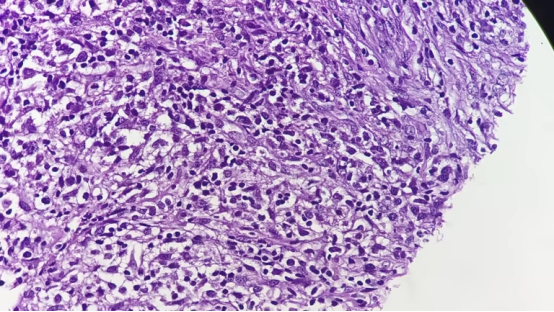
Understanding the Foundations of Lymphoma
Lymphoma is a form of cancer that originates in the lymphatic system, a vital component of the body’s immune defense. When lymphocytes—a type of white blood cell—begin to grow abnormally or uncontrollably, they can form tumors in the lymph nodes, spleen, thymus, or bone marrow.
The Role of the Lymphatic System
The lymphatic system acts as the body’s drainage network. It transports lymph, a fluid containing white blood cells, throughout the body to fight infection. Understanding how this system functions is critical to grasping how lymphoma disrupts systemic health.

Classifying Lymphoma: Hodgkin vs Non-Hodgkin
Medical professionals categorize lymphoma into two primary groups based on cellular behavior and microscopic characteristics. This distinction is vital for determining the most effective course of treatment.
Hodgkin Lymphoma
Characterized by the presence of Reed-Sternberg cells, Hodgkin lymphoma is often more predictable in its progression and typically responds well to radiation and chemotherapy.
Non-Hodgkin Lymphoma (NHL)
NHL is a more diverse group of blood cancers. It can arise from either B-cells or T-cells and is further classified into indolent (slow-growing) or aggressive (fast-growing) subtypes.
Comparison Table: Lymphoma Types
| Feature | Hodgkin Lymphoma | Non-Hodgkin Lymphoma |
|---|---|---|
| Cell Type | Reed-Sternberg Cells | B or T Lymphocytes |
| Spread | Predictable/Orderly | Often Non-Contiguous |
| Commonality | Less Common | More Common |
Diagnostic Procedures and Staging
Diagnosing lymphoma requires a multidisciplinary approach. Early detection significantly improves patient outcomes, making it essential to understand the standard clinical pathway.
Key Diagnostic Steps
- Physical Examination: Checking for swollen lymph nodes in the neck, underarm, or groin.
- Biopsy: The removal of a small tissue sample for laboratory analysis to identify cancer cells.
- Imaging Studies: CT, PET, and MRI scans to determine the extent of disease involvement.
- Bone Marrow Aspiration: Assessing whether the cancer has spread to the bone marrow.
Pro Tips for Patients and Caregivers
Navigating a lymphoma diagnosis can be overwhelming. Focusing on holistic support alongside medical treatment is key to maintaining quality of life.
- Maintain a symptom journal to track fatigue, night sweats, or fever for your next consultation.
- Prioritize nutrition to support the immune system during chemotherapy cycles.
- Seek support groups to connect with others who have navigated similar diagnostic paths.
Frequently Asked Questions (FAQ)
- Is lymphoma curable?
- Many forms of lymphoma are considered highly treatable and, in many cases, curable, especially when detected at an early stage.
- What are the most common early warning signs?
- Common indicators include painless swelling of lymph nodes, persistent fatigue, unexplained fever, drenching night sweats, and unintentional weight loss.
- How does staging affect my treatment plan?
- Staging (I through IV) helps doctors determine how far the cancer has spread, which dictates whether the treatment will be localized or systemic.
- Can lifestyle changes prevent lymphoma?
- While there is no known way to prevent most lymphomas, maintaining a healthy immune system and avoiding known environmental carcinogens is generally recommended.