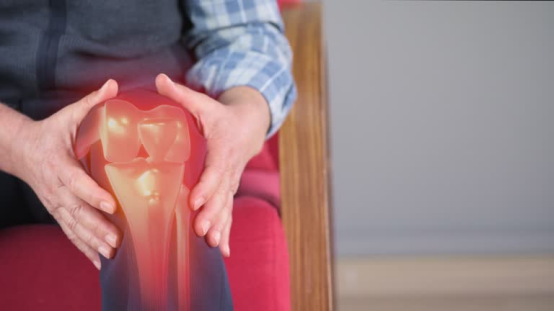
Understanding Osteoporosis: The Silent Bone Thief
Osteoporosis is often referred to as a “silent disease” because bone loss typically occurs without symptoms until a fracture happens. At the physiological level, bone is a living tissue that is constantly being broken down and replaced. This process is known as bone remodeling, managed by two primary cell types: osteoclasts (which break down bone) and osteoblasts (which build bone).
In a healthy body, bone production and resorption are balanced. However, as we age, or due to specific hormonal shifts, the rate of resorption begins to exceed the rate of formation. This leads to a decrease in bone mineral density (BMD), making bones porous, brittle, and highly susceptible to fractures, particularly in the hip, spine, and wrist.
The Pathophysiology of Bone Loss
Peak bone mass is usually reached in the late twenties. From that point forward, the “bone bank” slowly depletes. In women, the drop in estrogen during menopause accelerates this process significantly. In men, a gradual decline in testosterone can lead to similar outcomes. Understanding this biological timeline is crucial for early intervention.

Identifying Risk Factors and Early Warning Signs
While the condition is asymptomatic in its early stages, identifying risk factors is the first line of defense. These are generally categorized into non-modifiable factors (things you cannot change) and modifiable factors (lifestyle choices).
- Non-Modifiable: Age, female gender, family history of hip fractures, and small body frames.
- Modifiable: Low calcium intake, Vitamin D deficiency, sedentary lifestyle, excessive alcohol consumption, and tobacco use.
Secondary osteoporosis can also be triggered by long-term use of certain medications, such as corticosteroids (prednisone), or underlying conditions like hyperthyroidism and inflammatory bowel disease.
Pro Tips for Early Detection
Experts recommend monitoring your height annually. A loss of one inch or more can be a subtle indicator of compression fractures in the spine, a common sign of undiagnosed osteoporosis.
Diagnostic Standards and Modern Treatment Protocols
The gold standard for diagnosing osteoporosis is the Dual-Energy X-ray Absorptiometry (DEXA) scan. This painless imaging test measures bone mineral density at the hip and spine. The results are reported as a T-score, which compares your bone density to that of a healthy young adult.
| T-Score Range | Classification |
|---|---|
| -1.0 or higher | Normal bone density |
| -1.0 to -2.5 | Osteopenia (Low bone mass) |
| -2.5 or lower | Osteoporosis |
Treatment protocols have advanced significantly. Beyond lifestyle changes, physicians often prescribe bisphosphonates to slow bone loss. In more severe cases, bone-building (anabolic) agents like teriparatide may be utilized to actively increase bone mass.
Technical Checklist for Bone Health Management
- Schedule a baseline DEXA scan if you are a woman over 65 or a man over 70.
- Review all current medications with a doctor to check for bone-thinning side effects.
- Ensure daily intake of 1,000–1,200mg of calcium through diet and supplements.
- Maintain Vitamin D levels between 30 and 50 ng/mL.
Lifestyle Interventions and Proactive Bone Health
While medication is vital for many, lifestyle interventions form the foundation of any osteoporosis management plan. Weight-bearing and muscle-strengthening exercises are non-negotiable. These activities force the bones to support the weight of the body, which stimulates osteoblast activity.
Dietary strategy should focus on more than just calcium. Magnesium, Vitamin K2, and protein are essential co-factors that ensure calcium is actually deposited into the bone matrix rather than the arterial walls.
Exercise Recommendations
Focus on high-impact weight-bearing exercises like walking, jogging, or dancing for at least 30 minutes most days. Combine this with resistance training twice a week to improve balance and reduce the risk of falls—the leading cause of osteoporotic fractures.
Frequently Asked Questions (FAQ)
- Can osteoporosis be reversed?
- While you cannot completely “reverse” osteoporosis to return to youthful bone density, you can significantly improve bone strength and reduce fracture risk through a combination of medication, nutrition, and targeted exercise.
- Is calcium supplementation enough to prevent bone loss?
- No, calcium alone is insufficient. Without adequate Vitamin D, the body cannot absorb the calcium you consume. Additionally, weight-bearing exercise is required to signal the body to use that calcium for bone reinforcement.
- How often should I get a DEXA scan?
- For those diagnosed with osteoporosis or osteopenia, a DEXA scan is typically recommended every 1 to 2 years to monitor the effectiveness of treatment and the rate of bone density change.
- Are there natural ways to increase bone density?
- Natural methods include increasing intake of leafy greens (Vitamin K), fatty fish (Vitamin D), and dairy or fortified plant milks (Calcium), alongside consistent strength training and avoiding smoking.
- What is the difference between Osteopenia and Osteoporosis?
- Osteopenia is a warning stage where bone density is lower than normal but not yet low enough to be classified as osteoporosis. It is the ideal time to implement aggressive lifestyle changes to prevent progression.