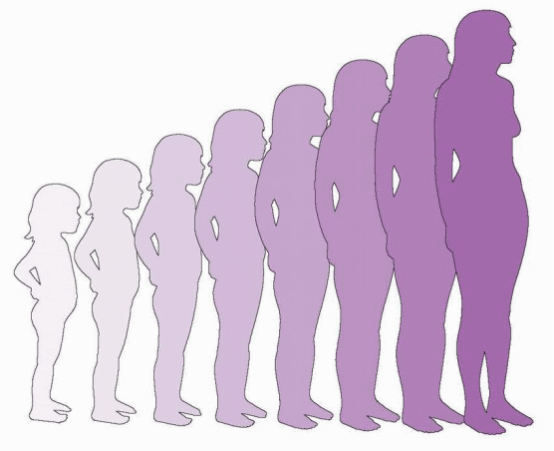
Understanding the Physiological Markers of Sexual Maturity
The transition into sexual maturity is a complex biological process marked by significant hormonal shifts and physical development. This phase, commonly referred to as puberty, involves the activation of the hypothalamic-pituitary-gonadal (HPG) axis, which triggers the production of estrogen and progesterone. These hormones serve as the primary drivers for secondary sexual characteristics.
Key Physical Transformations
During the onset of puberty, the body undergoes a series of predictable changes that indicate the reproductive system is maturing. These markers are essential for understanding a young person’s development.
- Thelarche (Breast Development): Often the first clinical sign of puberty, involving the development of breast buds under the influence of rising estrogen levels.
- Pubarche (Pubic Hair Growth): The appearance of terminal hair in the pubic and axillary regions, driven by adrenal androgens.
- Growth Spurt: A rapid increase in height and weight, typically occurring early in the pubertal process before the closure of epiphyseal plates.

The Menstrual Cycle as a Vital Sign
Beyond physical growth, the menstrual cycle is a primary indicator of reproductive and systemic health. It is not merely a monthly occurrence but a sophisticated feedback loop involving the brain, the ovaries, and the uterus.
Phases of the Cycle
The cycle is typically divided into four distinct phases, each characterized by specific hormonal concentrations and physiological responses within the endometrium.
| Phase | Primary Hormone | Key Physiological Event |
|---|---|---|
| Menstrual | Low Estrogen/Progesterone | Shedding of the uterine lining |
| Follicular | Rising Estrogen | Follicle maturation in the ovaries |
| Ovulatory | LH Surge | Release of the mature egg |
| Luteal | Progesterone | Preparation of the lining for potential pregnancy |

Navigating Hormonal Fluctuations and Sexual Health
The interplay between hormones and sexual health is profound. Hormonal stability—or the lack thereof—can influence libido, mood, and physical comfort. Understanding these patterns allows individuals to better manage their reproductive wellness.
Impact on Daily Life
Hormonal fluctuations during the luteal phase, often associated with Premenstrual Syndrome (PMS), can significantly alter energy levels and sexual desire. Recognizing these patterns helps in distinguishing between normal physiological responses and health concerns that may require medical intervention.
- Libido Variations: Many individuals report peaks in libido around the time of ovulation due to increased testosterone and estrogen levels.
- Physical Comfort: Changes in cervical mucus and vaginal acidity are natural adaptations that support reproductive health and protection against infections.

Long-Term Management of Reproductive Well-being
Maintaining reproductive health requires a proactive approach, including regular screenings and an awareness of personal baseline health markers. Education is the most effective tool for long-term health maintenance.
Proactive Health Strategies
Establishing healthy habits early in life sets the foundation for reproductive longevity. This includes nutritional support, stress management, and maintaining a healthy body mass index, all of which directly influence hormonal balance.
Frequently Asked Questions (FAQ)
- Q1: At what age does sexual maturity typically begin?
- While the average age of onset is between 8 and 13 years for females, individual timelines vary significantly due to genetic and environmental factors.
- Q2: Is an irregular menstrual cycle always a sign of a health problem?
- Irregularities are common during the first few years after menarche as the HPG axis stabilizes. However, persistent irregularity in adulthood should be evaluated by a healthcare professional.
- Q3: How does stress affect the menstrual cycle?
- High stress levels can interfere with the hypothalamus, potentially delaying or suppressing ovulation, which may lead to missed or irregular periods.
- Q4: Why is tracking the menstrual cycle important?
- Tracking helps identify your personal baseline, recognize potential hormonal imbalances, and provides valuable data for healthcare providers during consultations.