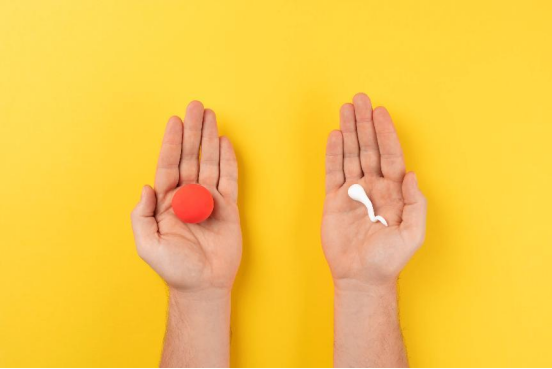
Understanding the Prostate and Sexual Health
The prostate gland is a walnut-sized organ that plays a pivotal role in the male reproductive system. Its primary function is to secrete fluid that nourishes and protects sperm, ensuring their survival and mobility during the journey through the female reproductive tract. When the prostate is healthy, it supports optimal sexual function, but its proximity to the urethra and bladder means that any dysfunction can lead to significant physiological challenges.
The Role of Prostatic Secretions
Prostatic fluid constitutes approximately 20-30% of the total volume of semen. This fluid is rich in enzymes, zinc, and citric acid, which are essential for maintaining the alkaline environment necessary to buffer the acidic conditions of the vagina. Without this protective secretion, sperm viability would be severely compromised, directly impacting male fertility.
Prostate Health and Erectile Function
There is a well-documented link between prostate health and erectile function. Chronic inflammation or enlargement of the prostate, known as Benign Prostatic Hyperplasia (BPH), can interfere with nerve signaling required for achieving and maintaining an erection. Furthermore, the psychological burden of prostate concerns often exacerbates performance anxiety, creating a feedback loop between physical health and sexual capability.

The Biological Process of Spermatogenesis
Spermatogenesis is the complex, multi-stage process of sperm production occurring within the seminiferous tubules of the testicles. This process is highly sensitive to hormonal regulation, particularly the interaction between the pituitary gland and the testes, which dictates the rate and quality of sperm development.
Stages of Sperm Development
- Mitosis: The initial stage where spermatogonia divide to ensure a continuous supply of sperm-producing cells.
- Meiosis: A reduction division process that results in the creation of haploid spermatids, containing half the genetic material required for fertilization.
- Spermiogenesis: The final transformation phase where spermatids mature into spermatozoa, developing the characteristic tail (flagellum) for motility.
Factors Influencing Sperm Quality
Sperm quality is not static; it is influenced by environmental, lifestyle, and physiological factors. Elevated scrotal temperatures, nutritional deficiencies, and endocrine disruptors can significantly inhibit the maturation process. Maintaining a balanced lifestyle is essential for preserving the integrity of the genetic material carried by the sperm.

Ejaculation: The Mechanics of Release
Ejaculation is a coordinated neuro-muscular event that marks the culmination of the sexual response cycle. It involves the rhythmic contraction of the prostate, seminal vesicles, and muscles surrounding the urethra to transport semen out of the body.
Neurological Control
The ejaculatory reflex is governed by both the sympathetic and parasympathetic nervous systems. When sexual stimulation reaches a threshold, the emission phase begins, where sperm from the epididymis mixes with fluids from the seminal vesicles and the prostate. This is followed by the expulsion phase, where the bulbospongiosus muscle contracts, propelling the semen through the urethra.
Clinical Significance of Ejaculatory Health
Disruptions in this process, such as retrograde ejaculation or painful ejaculation, often serve as early indicators of underlying prostate or nerve-related health issues. Monitoring changes in volume, color, or sensation during ejaculation is a proactive step in managing long-term male reproductive health.

Comparative Analysis: Prostate vs. Testicular Function
While the testes and the prostate work in tandem, their contributions to the reproductive system are distinct and biologically unique. The following table summarizes their primary functions:
| Feature | Testicles | Prostate Gland |
|---|---|---|
| Primary Output | Spermatozoa (Sperm cells) | Seminal fluid (Protective medium) |
| Hormonal Role | Testosterone production | Metabolism of androgens |
| Common Issues | Varicocele, Hydrocele | BPH, Prostatitis, Cancer |
Frequently Asked Questions (FAQ)
- Q1: How does prostate health affect fertility?
- The prostate provides essential nutrients and an alkaline buffer to the semen. If the prostate is inflamed or infected, the quality of this fluid decreases, which can reduce sperm motility and survival, thereby lowering the chances of successful fertilization.
- Q2: Can lifestyle changes improve sperm production?
- Yes. Reducing exposure to high temperatures (like hot tubs), maintaining a healthy diet rich in zinc and antioxidants, and avoiding smoking or excessive alcohol consumption can significantly enhance both the quantity and quality of sperm production.
- Q3: What are the common symptoms of prostate dysfunction?
- Symptoms often include frequent urination (especially at night), difficulty starting urination, a weak stream, or discomfort during ejaculation. If these occur, a consultation with a urologist is recommended.
- Q4: Is it normal for semen volume to change over time?
- Natural fluctuations in semen volume can occur due to age, hydration levels, and frequency of ejaculation. However, a sudden or consistent decrease in volume should be evaluated, as it may indicate issues with the accessory glands, including the prostate or seminal vesicles.