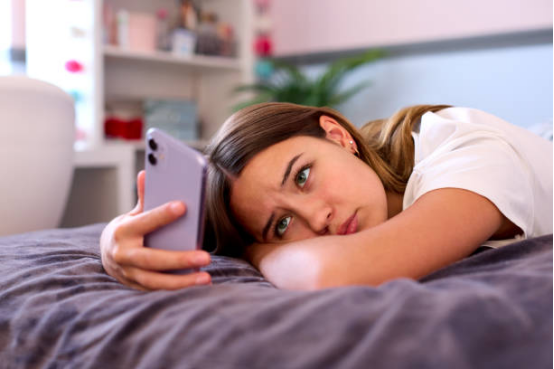
What is Anxious Attachment?
Anxious attachment is a psychological framework rooted in Attachment Theory, originally developed by John Bowlby. It describes a specific style of relating to others characterized by a deep-seated fear of abandonment and a constant need for validation. Individuals with this style often feel incomplete without their partners and interpret minor communication delays as catastrophic threats to the relationship.
The Core Psychological Mechanism
At the center of anxious attachment is a hyper-activated attachment system. When a partner is perceived as distant, the brain’s amygdala—the area responsible for processing threats—triggers a “fight or flight” response. This is why a simple lack of a text reply can feel like “the sky is falling.”
- Hyper-vigilance: Constant monitoring of a partner’s mood or behavior.
- Need for Proximity: An overwhelming urge to be physically or emotionally close at all times.
- Sensitivity to Rejection: Perceiving neutral cues as signs of impending breakup.

Recognizing Anxious Attachment in Love
Identifying this attachment style is the first step toward self-awareness. It often manifests in specific behavioral patterns that can inadvertently push partners away, creating a self-fulfilling prophecy of abandonment.
Common Behavioral Indicators
People with an anxious attachment style often engage in protest behavior. These are actions taken to re-establish connection, though they frequently have the opposite effect.
- Excessive Communication: Bombarding a partner with calls or texts when anxious.
- Testing the Partner: Creating drama or threatening to break up to elicit reassurance.
- Difficulty Self-Soothing: Relying entirely on the partner to regulate one’s internal emotional state.

Why Anxious Attachment Affects Relationships
The impact of this attachment style is profound, as it dictates how one views intimacy and conflict. It often creates a dynamic known as the Anxious-Avoidant Trap, where one partner pursues while the other withdraws.
The Impact on Emotional Stability
Because the anxious individual derives their self-worth from the relationship, they are susceptible to extreme emotional highs and lows. This dependency makes conflict resolution difficult, as the fear of loss often outweighs the desire to address the actual issue at hand.
| Feature | Secure Attachment | Anxious Attachment |
|---|---|---|
| View of Intimacy | Comfortable with closeness | Craves closeness, fears abandonment |
| Reaction to Conflict | Problem-solving oriented | Emotionally reactive/Protest behavior |
| Trust Levels | High inherent trust | Requires constant external validation |

Strategies for Developing Secure Attachment
Attachment styles are not fixed. Through neuroplasticity and intentional practice, it is possible to move toward “Earned Security.” This involves shifting from external validation to internal emotional regulation.
Actionable Steps for Growth
Healing requires a combination of self-reflection and behavioral change. It is not about suppressing feelings, but learning how to manage them independently.
- Practice Self-Soothing: Engage in mindfulness or physical activity when anxiety spikes instead of reaching for the phone.
- Communicate Needs Clearly: Replace protest behaviors with direct, vulnerable expressions of your needs.
- Cultivate Independence: Invest time in hobbies, friendships, and goals outside of your primary relationship to build a strong sense of self.
Frequently Asked Questions (FAQ)
- Q1: Can someone with anxious attachment ever feel secure?
- Yes, through a process called “Earned Security.” By understanding your triggers, working with a therapist, and choosing partners who are secure and consistent, you can rewire your attachment responses over time.
- Q2: Is anxious attachment a mental illness?
- No, it is a learned attachment style, not a clinical disorder. It is a natural human adaptation to early life experiences and environmental cues, though it can cause significant distress.
- Q3: How do I stop the “catastrophic thinking” when my partner doesn’t reply?
- Practice “reality testing.” Ask yourself for evidence of abandonment versus evidence of your partner’s busy schedule. Remind yourself that your worth is not defined by the speed of a text reply.
- Q4: Should I tell my partner I have an anxious attachment style?
- Being open about your needs is a hallmark of healthy communication. Framing it as, “I feel anxious when we don’t talk for a long time, and I’m working on it,” is much more effective than acting out your anxiety.