Understanding the Physiological Impact of Cesarean Sections in TCM
In Traditional Chinese Medicine (TCM), childbirth is viewed as a significant event that consumes a vast amount of the mother’s Qi (vital energy) and Blood. A Cesarean section, being a major surgical procedure, introduces additional trauma to the body’s energy meridians, specifically the Conception Vessel (Ren Mai) and the Belt Vessel (Dai Mai), which traverse the abdominal region.
The Concept of Blood Stasis Post-Surgery
Following a C-section, TCM practitioners often observe “Blood Stasis” in the lower abdomen. This manifests as localized pain, slow healing of the incision, and potential emotional imbalances. By addressing these energetic blockages early, practitioners can facilitate a smoother transition into the postpartum period.
- Energy Depletion: The surgery interrupts the natural flow of Qi, leading to fatigue and “postpartum depression” symptoms rooted in physical exhaustion.
- Incision Healing: TCM focuses on improving local microcirculation to ensure the scar tissue heals correctly without causing long-term nerve entrapment or adhesions.

Acupuncture Therapy for Accelerated C-Section Recovery
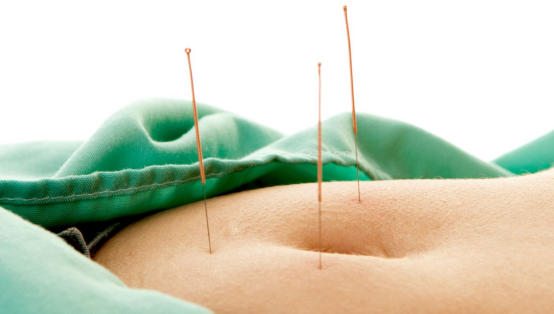
Acupuncture acts as a bridge between modern obstetric care and holistic recovery. By stimulating specific acupoints, the body is encouraged to increase the release of endorphins—the body’s natural painkillers—thereby reducing the reliance on pharmacological interventions that may pass through breast milk.
Targeted Benefits for Post-Surgical Mothers
Acupuncture is not merely for pain; it is a systemic regulatory tool. For women recovering from a C-section, the primary goals are to reduce inflammation and stabilize the autonomic nervous system.
| Benefit Category | TCM Mechanism | Clinical Outcome |
|---|---|---|
| Pain Management | Regulating Qi and Blood flow | Reduced post-op discomfort |
| Scar Management | Promoting local circulation | Improved tissue elasticity |
| Hormonal Balance | Stabilizing Yin and Yang | Faster recovery from baby blues |

Holistic TCM Strategies for Postpartum Wellness
Beyond acupuncture, TCM offers a comprehensive framework for postpartum wellness that includes dietary therapy and herbal support. The “Golden Month” (the first 30 days postpartum) is considered a critical window for rebuilding the mother’s constitution.
Nutritional Support and Herbal Medicine
Dietary choices in TCM are designed to “warm” the body and nourish the Blood. Cold or raw foods are generally discouraged, as they are believed to impede the digestive system’s ability to produce the energy required for recovery.
- Warming Foods: Incorporating ginger, red dates, and slow-cooked bone broths to replenish lost nutrients.
- Herbal Formulas: Custom-tailored formulas to support lactation, reduce night sweats, and improve sleep quality.

Integrating TCM into Your Post-Cesarean Recovery Plan
Integrating TCM into your recovery should be a collaborative process. It is vital to ensure that any acupuncturist or herbalist you consult is experienced in postpartum care and understands the specific contraindications associated with C-section incisions and breastfeeding.
Step-by-Step Implementation
Start by identifying a qualified practitioner who specializes in women’s health. Schedule your first consultation once you are physically stable post-surgery, typically 2-4 weeks after the procedure.
Frequently Asked Questions (FAQ)
- Q1: When is the safest time to start acupuncture after a C-section?
- Generally, it is recommended to wait until the initial surgical incision has begun to close properly, usually around 2 to 4 weeks postpartum, though gentle, non-invasive techniques can sometimes be applied sooner.
- Q2: Can acupuncture help with breastfeeding issues?
- Yes, specific acupuncture protocols can help regulate the hormones involved in lactation and alleviate stress, which is often a secondary cause of reduced milk supply.
- Q3: Is TCM safe if I am taking prescription pain medication?
- TCM treatments are generally safe, but you must inform your acupuncturist of all medications you are currently taking so they can adjust their treatment plan to avoid any potential interactions.
- Q4: How many sessions are typically required for effective recovery?
- Recovery plans are highly individualized. A typical course might involve weekly sessions for the first 6-8 weeks to ensure optimal physical and emotional recalibration.