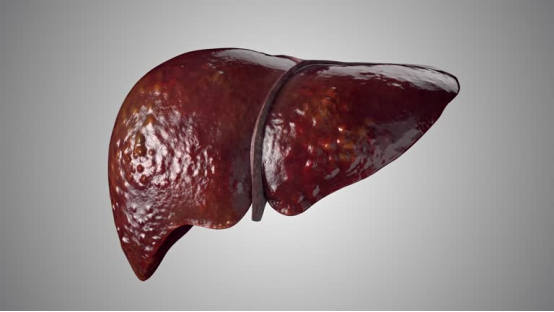
What is Hepatitis? The Underlying Mechanisms
Hepatitis is fundamentally characterized by the inflammation of the liver, a vital organ responsible for filtering toxins, producing bile, and synthesizing essential proteins. While the term is most commonly associated with viral infections, hepatitis can also be triggered by autoimmune responses, prolonged alcohol abuse, or exposure to specific hepatotoxic medications.
To understand the “why” behind the disease, we must examine the cellular level. When a pathogen or toxin enters the liver, the body’s immune system dispatches white blood cells to neutralize the threat. This immune response causes hepatocytes (liver cells) to become inflamed. Over time, chronic inflammation can lead to the accumulation of scar tissue, a process known as fibrosis. If left unchecked, this progresses to cirrhosis, severely impairing liver function and increasing the risk of hepatocellular carcinoma (liver cancer).
The Historical Context of Liver Disease
Historically, liver inflammation was a poorly understood condition, often grouped under the general symptom of jaundice (yellowing of the skin and eyes). It was not until the mid-20th century that medical researchers successfully isolated the specific blood-borne and enteric viruses responsible for the majority of hepatitis cases, revolutionizing modern hepatology and paving the way for targeted vaccines and antiviral therapies.

The Five Main Types of Viral Hepatitis
Viral hepatitis is categorized into five distinct strains: A, B, C, D, and E. Each strain operates differently in terms of transmission, progression, and long-term impact on the human body. Understanding these differences is critical for both prevention and clinical management.
| Virus Type | Primary Transmission Route | Risk of Chronic Infection | Vaccine Availability |
|---|---|---|---|
| Hepatitis A (HAV) | Fecal-oral (contaminated food/water) | None (Acute only) | Yes |
| Hepatitis B (HBV) | Blood, bodily fluids, perinatal | High in infants, lower in adults | Yes |
| Hepatitis C (HCV) | Blood-to-blood contact (needles) | Very High (75-85% become chronic) | No |
| Hepatitis D (HDV) | Blood (Requires HBV to replicate) | High (Accelerates liver damage) | Covered by HBV vaccine |
| Hepatitis E (HEV) | Fecal-oral (contaminated water) | Rare (Except in immunocompromised) | Available in select countries |
Recognizing Symptoms and Diagnostic Markers
The clinical presentation of hepatitis varies wildly depending on whether the infection is acute or chronic. Acute hepatitis often mimics severe influenza, presenting with profound fatigue, low-grade fever, muscle aches, and gastrointestinal distress. As the liver struggles to process bilirubin—a byproduct of red blood cell breakdown—patients frequently develop jaundice, dark urine, and pale stools.
Conversely, chronic hepatitis (most commonly B and C) is notoriously termed a “silent killer.” Patients may harbor the virus for decades without exhibiting a single symptom while progressive liver scarring silently occurs. This highlights the absolute necessity of proactive medical screening.
Technical Diagnostic Checklist
When a physician suspects liver inflammation, they will utilize a multi-tiered diagnostic approach to confirm the presence and severity of the disease:
- Liver Function Tests (LFTs): Blood tests measuring specific enzymes like ALT (Alanine Aminotransferase) and AST (Aspartate Aminotransferase). Elevated levels indicate active hepatocyte damage.
- Viral Serology: Highly specific blood panels that detect viral antigens (the presence of the virus) and antibodies (the immune system’s response), determining if an infection is current or resolved.
- Hepatic Ultrasound: Non-invasive imaging to check for structural abnormalities, liver enlargement (hepatomegaly), or signs of advanced cirrhosis.
- Transient Elastography (FibroScan): A specialized ultrasound technique that measures liver stiffness, providing an accurate assessment of fibrosis without the need for a physical biopsy.
Pro Tips for Liver Health and Disease Prevention
Protecting your liver requires a proactive and holistic approach. While vaccines offer robust protection against certain viral strains, lifestyle choices play an equally critical role in preventing non-viral hepatitis and supporting overall hepatic function.
Expert Advice for Hepatic Wellness
For individuals looking to optimize their liver health or manage an existing condition, hepatologists strongly recommend the following actionable strategies:
- Minimize Hepatotoxins: Strictly limit alcohol consumption, as ethanol is directly toxic to liver cells. Additionally, be highly cautious with over-the-counter medications like acetaminophen, which can cause acute liver failure if taken in excess.
- Embrace a Liver-Friendly Diet: Focus on a Mediterranean-style diet rich in antioxidants, leafy greens, and lean proteins. Interestingly, moderate daily coffee consumption has been clinically shown to reduce the accumulation of liver fat and lower the risk of cirrhosis.
- Practice Harm Reduction: Never share needles, razors, or toothbrushes. Ensure that any tattoos or piercings are performed in certified parlors using strictly sterilized, single-use equipment.
Frequently Asked Questions (FAQ)
- Can viral hepatitis be completely cured?
- It depends on the type. Hepatitis A and E are usually acute and resolve on their own. Hepatitis C can now be cured in over 95% of cases using modern Direct-Acting Antivirals (DAAs). Hepatitis B cannot currently be completely cured, but it can be highly managed with daily antiviral medications to prevent liver damage.
- What is the difference between acute and chronic hepatitis?
- Acute hepatitis refers to a short-term infection occurring within the first six months of exposure. If the body’s immune system fails to clear the virus after six months, the condition becomes chronic, leading to long-term liver inflammation and potential structural damage.
- Is hepatitis hereditary?
- No, viral hepatitis is infectious, not genetic. However, a mother infected with Hepatitis B or C can transmit the virus to her baby during childbirth. There are genetic liver diseases (like Hemochromatosis or Wilson’s disease) that cause inflammation, but these are distinct from viral hepatitis.
- Can I drink alcohol if I have been diagnosed with hepatitis?
- Medical professionals strongly advise against consuming any alcohol if you have hepatitis. Alcohol forces the liver to work harder and dramatically accelerates the progression of fibrosis and cirrhosis when combined with a viral infection.