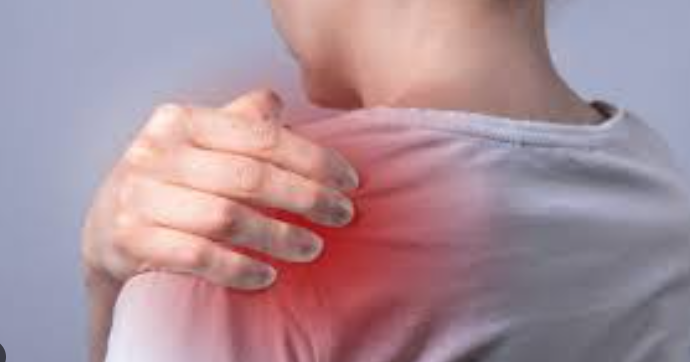
Understanding Frozen Shoulder: Beyond Western Diagnosis
Frozen shoulder, medically known as adhesive capsulitis, is a debilitating condition characterized by pain and stiffness in the shoulder joint, leading to a significant loss of motion. While Western medicine identifies it primarily as an inflammatory process followed by capsular thickening and scarring, Traditional Chinese Medicine (TCM) offers a much broader, holistic perspective, delving into the underlying energetic imbalances and environmental factors that contribute to its onset and persistence. Understanding both viewpoints can provide a more comprehensive path to recovery.
What is Frozen Shoulder (Adhesive Capsulitis)?
At its core, frozen shoulder involves the thickening and tightening of the connective tissue capsule that encloses the shoulder joint. This capsule, along with ligaments, helps hold the humerus (upper arm bone) to the glenoid (shoulder blade socket). When inflammation occurs, followed by the formation of scar tissue, the capsule loses its elasticity, effectively “freezing” the joint and severely restricting movement. It typically affects individuals between 40 and 60 years old, more commonly women, and can significantly impact daily activities.
The Three Stages: Freezing, Frozen, Thawing
Frozen shoulder progresses through distinct phases, each with its own set of symptoms and duration, making early recognition and intervention crucial for better outcomes. Recognizing these stages can help both practitioners and patients tailor treatment plans and manage expectations.
-
Stage 1: The Freezing Stage (2 to 9 months)
This initial phase is marked by the gradual onset of pain in the shoulder, which worsens over time and with movement. As the pain increases, the range of motion begins to decrease. Patients often describe a dull, aching pain that can be more severe at night, disrupting sleep. The shoulder’s ability to move in all directions starts to diminish noticeably, causing everyday tasks to become challenging.
-
Stage 2: The Frozen Stage (4 to 12 months)
During this stage, the pain may actually begin to subside, but the stiffness becomes much more pronounced. The shoulder’s range of motion is severely restricted, sometimes to the point where it’s almost impossible to move the arm without moving the entire torso. This limitation can make simple actions like reaching overhead, dressing, or driving extremely difficult. Despite the reduction in pain, the functional impairment is at its peak.
-
Stage 3: The Thawing Stage (5 months to 2 years)
This is the recovery phase, where the shoulder’s range of motion gradually improves. The pain continues to decrease, and the stiffness slowly resolves. While some individuals may regain full or near-full mobility, others might experience some residual stiffness or limited range of motion, even after full recovery. The thawing process can be long and requires consistent effort in rehabilitation.
Common Causes and Risk Factors
While often idiopathic (without a known cause), certain factors increase the risk of developing frozen shoulder. Understanding these can help in prevention and targeted management:
- Systemic Diseases: Conditions like diabetes (most common comorbidity), thyroid disorders (hypo- and hyperthyroidism), Parkinson’s disease, and cardiac disease are strongly linked.
- Immobility or Reduced Mobility: Following surgery (e.g., mastectomy, open-heart surgery), arm fracture, or stroke, keeping the arm still for prolonged periods can lead to stiffness and eventual freezing.
- Trauma: A direct injury to the shoulder, even if minor, can sometimes trigger the inflammatory process that leads to frozen shoulder.
- Autoimmune Factors: Some theories suggest an autoimmune component where the body’s immune system mistakenly attacks the shoulder capsule.
- Genetic Predisposition: There might be a genetic component, as frozen shoulder can sometimes run in families.

The Western Medical Perspective: Strengths and Limitations
Western medicine typically approaches frozen shoulder with a focus on symptom management, reducing inflammation, and restoring physical function through targeted interventions. While effective for many, this approach sometimes overlooks the deeper, systemic imbalances that TCM seeks to address, leading to potential limitations for some patients.
Standard Treatment Approaches
The conventional Western medical arsenal for frozen shoulder is diverse, ranging from conservative methods to surgical interventions:
- Pain Relievers and Anti-inflammatory Drugs: Over-the-counter NSAIDs (like ibuprofen) or prescription medications help manage pain and reduce inflammation, especially in the freezing stage. However, long-term use can carry risks like gastrointestinal issues.
- Physical Therapy: A cornerstone of treatment, physical therapy involves exercises to stretch the joint capsule and regain range of motion. This can be painful, especially in the initial stages, but is crucial for recovery. Techniques include passive, active-assistive, and active range of motion exercises, often combined with heat or ice therapy.
- Steroid Injections: Corticosteroid injections directly into the shoulder joint can provide significant, albeit temporary, relief from pain and inflammation, allowing for more effective physical therapy. Repeated injections are often limited due to potential side effects like cartilage damage.
- Hydrodilatation: Involves injecting a large volume of sterile fluid into the joint capsule to stretch it. This procedure is sometimes performed with local anesthetic and can provide relief by breaking up adhesions.
- Surgery (Arthroscopic Capsular Release): Reserved for severe, persistent cases that haven’t responded to conservative treatments. A surgeon makes small incisions to cut through tight parts of the joint capsule, releasing the adhesions and improving mobility. This is followed by intensive physical therapy.
Why Western Treatments May Fall Short for Some
Despite their efficacy, Western approaches can have limitations, particularly for individuals seeking a more holistic or less invasive path:
- Symptom Management vs. Root Cause: Many Western treatments primarily address symptoms (pain, inflammation, stiffness) without delving into the underlying systemic reasons for the condition’s onset.
- Side Effects: Medications carry potential side effects (e.g., gastrointestinal upset from NSAIDs, blood sugar spikes from steroids). Surgery, while effective, comes with risks of infection, nerve damage, and prolonged recovery.
- Slow Progress and Recurrence: Recovery can be protracted, taking many months or even years. Without addressing root causes, there’s a possibility of recurrence or developing frozen shoulder in the other shoulder.
- Lack of Personalization: While physical therapy is tailored, the general approach might not fully account for individual patient constitutions, lifestyle, or emotional state, which TCM considers vital.
TCM’s Holistic View of Frozen Shoulder: Restoring Balance
Traditional Chinese Medicine views frozen shoulder not as an isolated joint problem, but as a manifestation of deeper energetic imbalances within the body. Its approach is to identify and correct these disharmonies, addressing the root cause rather than just the symptoms. This holistic perspective considers the body, mind, and environment as interconnected systems.
The “Why” of TCM: Qi and Blood Stagnation
In TCM, health is maintained by the smooth flow of Qi (vital energy) and Blood through a network of meridians, or energy channels, that traverse the body. When this flow is obstructed, pain and dysfunction arise. For frozen shoulder, the primary TCM diagnosis often revolves around “Qi and Blood Stagnation” in the shoulder meridians (typically those of the Large Intestine, Small Intestine, Triple Burner, and Lung). This stagnation prevents proper nourishment and movement, leading to stiffness and pain. The “why” here is that a smooth flow of Qi and Blood is essential for lubricating joints, nourishing tendons and muscles, and expelling pathogens. When this flow is impeded, the shoulder becomes deprived, rigid, and painful.
Pathogenic Factors in TCM: Wind, Cold, Dampness
TCM also attributes frozen shoulder to the invasion of external pathogenic factors, often acting in combination. These “Evils” can penetrate the body’s defenses and lodge in the meridians, disrupting Qi and Blood flow:
- Wind: Characterized by sudden onset and migrating pain. Wind can carry other pathogens.
- Cold: Causes contraction, stiffness, and severe pain that improves with warmth. Cold constricts blood vessels and slows Qi circulation.
- Dampness: Leads to heaviness, numbness, swelling, and persistent, dull pain. Dampness obstructs the meridians, making movement sluggish.
Often, frozen shoulder is seen as “Wind-Cold-Damp Bi Syndrome,” where a combination of these factors obstructs the channels in the shoulder, particularly in individuals with a pre-existing deficiency.
Organ System Imbalances: Liver, Kidney, Spleen
Beyond external factors and local stagnation, TCM recognizes the crucial role of internal organ systems in maintaining musculoskeletal health. Imbalances in these organs can predispose an individual to frozen shoulder:
- Liver Deficiency: The Liver is responsible for storing Blood and ensuring the smooth flow of Qi throughout the body, particularly to the tendons and ligaments. A deficient Liver can lead to dry, stiff tendons and ligaments, making them prone to injury and stagnation.
- Kidney Deficiency: The Kidneys are considered the root of Yin and Yang, governing bones, marrow, and essence. Kidney deficiency can manifest as weakness in the bones and joints, contributing to conditions like frozen shoulder, especially in older individuals.
- Spleen Deficiency: The Spleen governs transformation and transportation, producing Qi and Blood and managing dampness. A weak Spleen can lead to accumulation of dampness, contributing to the “damp” component of frozen shoulder, and insufficient Qi and Blood to nourish the shoulder.
Core TCM Modalities for Frozen Shoulder Relief
TCM offers a multifaceted approach to frozen shoulder, employing various modalities that work synergistically to restore balance, alleviate pain, and improve mobility. Each therapy targets specific aspects of the condition, from enhancing circulation to nourishing tissues and dispelling pathogens.
Acupuncture: Precision Healing for Qi Flow
Acupuncture is perhaps the most recognized TCM therapy, involving the insertion of fine needles into specific points along the body’s meridians. For frozen shoulder, it’s a powerful tool to unblock stagnation and promote healing.
How Acupuncture Works
Acupuncture points are believed to be areas where Qi and Blood congregate, and by stimulating them, practitioners can regulate the flow of energy. In the context of frozen shoulder, acupuncture aims to:
- Promote Qi and Blood Circulation: Needling specific points around the shoulder (e.g., Jianyu, Jianliao, Jianzhen) and distal points (e.g., Hegu, Taichong) helps to invigorate circulation, reducing stagnation and bringing fresh blood and nutrients to the affected area.
- Reduce Pain and Inflammation: Acupuncture stimulates the release of endorphins, the body’s natural painkillers, and has anti-inflammatory effects, directly addressing the pain and swelling associated with frozen shoulder.
- Relax Muscles and Tendons: By targeting trigger points and areas of tension, acupuncture helps to release muscle spasms and improve the elasticity of stiff tendons and ligaments around the shoulder joint.
Benefits and Expected Outcomes
Patients undergoing acupuncture for frozen shoulder often experience:
- Significant reduction in pain levels.
- Improved range of motion and flexibility.
- Decreased muscle stiffness and tension.
- Overall relaxation and stress reduction, which aids in healing.
Pro Tips for Acupuncture Sessions
- Find a Qualified Practitioner: Ensure your acupuncturist is licensed and experienced, particularly with musculoskeletal conditions.
- Communicate Openly: Describe your pain levels, specific limitations, and any changes you observe during and after sessions.
- Be Patient and Consistent: Acupuncture is not a quick fix; a course of several treatments is usually required to see lasting results. Consistency is key.
- Stay Hydrated: Drink plenty of water before and after sessions to aid your body’s healing process.
Herbal Medicine: Nature’s Pharmacy for Internal Harmony
TCM herbal medicine uses specific formulations of natural ingredients to address internal imbalances, nourish the body, and combat pathogenic factors contributing to frozen shoulder. These formulas are highly personalized.
Key Herbal Categories
Herbs are chosen based on their specific properties and actions:
- Blood Invigorating Herbs: To break up blood stagnation and promote circulation (e.g., Dang Gui, Chuan Xiong, San Qi).
- Wind-Damp Dispelling Herbs: To expel external pathogens and alleviate pain and stiffness (e.g., Qiang Huo, Du Huo, Fang Feng).
- Tonifying Herbs: To nourish deficient organ systems, especially Liver and Kidney, strengthening tendons and bones (e.g., Gou Qi Zi, Shu Di Huang, Du Zhong).
Common Herbs and Their Actions
- Dang Gui (Angelica Sinensis): A powerful blood tonic and invigorator, it helps to nourish blood and move stagnation, reducing pain.
- Qiang Huo (Notopterygium Root): Excellent for dispelling wind-cold-dampness, particularly in the upper body and shoulder.
- Du Huo (Angelica Pubescens): Similar to Qiang Huo but more focused on lower body and deep-seated dampness, also effective for pain.
- San Qi (Notoginseng): Known for its ability to stop bleeding and invigorate blood, reducing pain and swelling from trauma or stagnation.
Formulas for Different TCM Patterns
A TCM practitioner will prescribe a custom herbal formula based on your specific diagnostic pattern. For example:
- For Wind-Cold-Damp Bi: Formulas like “Du Huo Ji Sheng Tang” (Solitary Hermit’s Teapill) or “Juan Bi Tang” (Remove Obstruction Decoction) are often used to dispel pathogens and relieve pain.
- For Qi and Blood Stagnation: Formulas containing “Xue Fu Zhu Yu Tang” (Drive Out Stasis from the Mansion of Blood) ingredients may be adapted to invigorate blood and resolve stagnation.
- For Liver and Kidney Deficiency with Stagnation: Formulas that combine tonifying herbs with blood-invigorating and wind-damp dispelling herbs are utilized to address both the root deficiency and the manifestation.
Tui Na Massage: Therapeutic Bodywork for Mobility
Tui Na is a form of therapeutic Chinese massage that uses hand techniques to press, knead, roll, and rub areas between the joints and muscles, aiming to remove blockages and promote circulation.
Techniques and Principles
Tui Na practitioners employ a variety of techniques:
- Acupressure: Applying pressure to specific acupuncture points to stimulate Qi flow.
- Kneading and Rolling: Deep tissue manipulation to relax muscles, break down adhesions, and improve flexibility.
- Stretching and Joint Mobilization: Gentle movements to increase the range of motion in the shoulder joint, carefully working within the patient’s pain tolerance.
The principle is to restore the natural flow of Qi and Blood, release muscle tension, and physically break down scar tissue within the shoulder capsule.
Benefits Beyond Relaxation
While relaxing, Tui Na offers specific therapeutic benefits for frozen shoulder:
- Breaking down adhesions and scar tissue in the shoulder capsule.
- Improving local blood circulation, aiding tissue repair.
- Reducing muscle spasms and alleviating pain.
- Increasing the shoulder’s range of motion and flexibility.
- Releasing fascial restrictions.
Expert Advice: Integrating Tui Na with other therapies
Tui Na is particularly effective when combined with other TCM modalities. For instance, receiving Tui Na after acupuncture can help to further consolidate the energetic shifts initiated by the needles. It also complements herbal therapy by promoting the physical movement of Qi and Blood that herbs work to regulate internally. Regular Tui Na sessions can also serve as an active form of physical therapy, guiding patients through movements they might otherwise avoid due to pain.
Cupping Therapy: Drawing Out Stagnation
Cupping therapy involves placing cups on the skin to create suction, which draws the skin and superficial muscle layers upwards. This ancient technique is highly effective for promoting local circulation and relieving stagnation.
Mechanism of Cupping
The suction created by cupping:
- Promotes Blood Flow: Draws stagnant blood and toxins to the surface, allowing fresh, oxygenated blood to flow into the deeper tissues.
- Myofascial Release: Lifts and separates connective tissues (fascia), relieving tightness and improving flexibility.
- Detoxification: Helps to clear metabolic waste products from the tissues, reducing inflammation.
Types of Cupping
- Dry Cupping: The most common form, where cups are applied and left in place for a few minutes.
- Wet Cupping: Involves making small incisions before applying cups to draw out small amounts of blood. (Less common for frozen shoulder.)
- Gliding Cupping: Oil is applied to the skin, and cups are moved across the skin while suction is maintained, similar to a deep tissue massage. This is particularly useful for larger muscle groups around the shoulder.
When is Cupping Most Effective?
Cupping is particularly beneficial in the early and frozen stages of frozen shoulder when there is significant pain, muscle tightness, and stagnation. It can help to break up the initial inflammatory cycle and improve the local environment for healing. It’s often applied to the back and top of the shoulder to target the affected meridians and muscle groups.
Complementary TCM Approaches and Lifestyle Integration
Beyond the core modalities, TCM emphasizes the importance of dietary therapy and lifestyle adjustments to support the healing process and prevent recurrence. These complementary approaches empower individuals to actively participate in their recovery journey.
Dietary Therapy: Nourishing from Within
In TCM, food is medicine. Dietary recommendations for frozen shoulder aim to reduce inflammation, strengthen deficient organ systems, and promote the smooth flow of Qi and Blood.
Foods to Favor
- Warm, Easily Digestible Foods: Cooked vegetables, soups, stews, and porridges are preferred as they are easier for the Spleen to transform and transport, preventing dampness.
- Anti-inflammatory Foods: Turmeric, ginger, garlic, cherries, berries, and leafy greens can naturally reduce inflammation.
- Foods that Invigorate Blood: Small amounts of lean meats (especially bone broth for joint support), dark leafy greens, and black sesame seeds can help nourish blood.
- Foods to Support Kidney/Liver: Black beans, walnuts, goji berries, and leafy greens strengthen these organs crucial for joint and tendon health.
Foods to Avoid
- Cold and Raw Foods: These are believed to weaken the Spleen and contribute to dampness, exacerbating stiffness.
- Damp-Forming Foods: Dairy products, excessive sugar, refined carbohydrates, and fried foods can increase dampness and phlegm, hindering circulation.
- Processed Foods and Artificial Additives: These can contribute to inflammation and overall systemic imbalance.
Specific Ingredients for Joint Health
- Ginger: A warming herb that dispels cold and dampness, and reduces pain.
- Turmeric: A potent anti-inflammatory and blood-invigorating spice.
- Bone Broth: Rich in collagen and amino acids, it supports joint tissue repair and nourishment.
Lifestyle Modifications: A Holistic Blueprint
TCM recognizes that mental and emotional well-being, along with physical activity, are integral to healing. Incorporating certain lifestyle practices can significantly enhance recovery from frozen shoulder.
Stress Management Techniques
Chronic stress can deplete Qi and Blood, and lead to Qi stagnation, exacerbating pain and stiffness. Techniques like:
- Meditation: Calms the mind and promotes relaxation, reducing overall tension.
- Tai Chi and Qigong: Gentle, flowing movements that combine physical exercise with deep breathing and meditation. These practices are excellent for improving Qi flow, flexibility, balance, and reducing stress without straining the shoulder.
Gentle Exercise and Stretching
While intense exercise should be avoided during painful stages, gentle, consistent movement is crucial:
- Pendulum Swings: A simple exercise where you lean forward and let your arm hang down, gently swinging it in small circles.
- Wall Crawls: Slowly “walking” your fingers up a wall to gradually increase shoulder elevation.
- Doorway Stretches: Gentle stretches to open the chest and shoulder area.
The key is to move within a pain-free range and gradually increase motion as tolerated, always respecting the body’s signals.
Importance of Warmth and Protection
Protecting the shoulder from cold and injury is vital. In TCM, cold is a significant pathogen that can worsen stiffness and pain. Keeping the shoulder warm with scarves or appropriate clothing, especially in colder environments, can prevent aggravation. Avoiding sudden, jerky movements or heavy lifting can also prevent re-injury or further inflammation.
Pro Tips for Your TCM Frozen Shoulder Journey
Embarking on a TCM journey for frozen shoulder requires patience, commitment, and a proactive approach. Here are some expert tips to maximize your chances of success:
- Finding a Qualified Practitioner: Look for a licensed acupuncturist and herbalist with specific experience in treating musculoskeletal conditions, particularly frozen shoulder. Ask about their approach and success rates. A good practitioner will conduct a thorough diagnosis, considering your unique constitution and symptoms.
-
Reader safety note: This article is general educational content only. It is not medical advice, mental-health diagnosis, psychotherapy, public-health guidance, emergency help, medication guidance, device instruction, or individualized relationship advice. Consult qualified medical, mental-health, public-health, legal, educational, or safety professionals for personal decisions, urgent symptoms, self-harm risk, abuse, addiction, infectious disease concerns, or treatment questions.