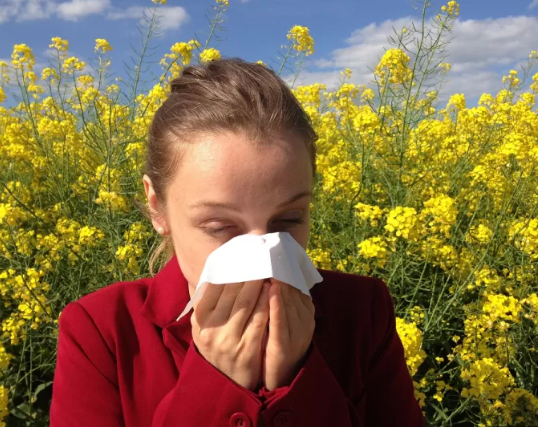
Understanding the TCM Perspective on Allergic Reactions
In Traditional Chinese Medicine (TCM), allergies are not viewed merely as an overreaction of the immune system to external triggers. Instead, they are interpreted as a manifestation of internal disharmony, often involving a deficiency in the body’s protective energy, known as Wei Qi.
The Role of Wei Qi in Immune Defense
Wei Qi, or defensive energy, circulates at the surface of the body to protect against external pathogens like wind, cold, and allergens. When Wei Qi is weak—often due to imbalances in the Spleen or Kidney organ systems—the body becomes susceptible to environmental irritants.

Addressing Specific Triggers: Pollen, Seafood, and Cold Wind
TCM categorizes allergens based on their nature and how they interact with the body’s internal environment. By identifying the specific “pathogen,” practitioners can tailor treatments to clear the excess and nourish the underlying deficiency.
Pollen: Managing Wind-Heat and Wind-Cold
Pollen allergies often present as “Wind” invading the lungs. Depending on the symptoms, this is treated as either Wind-Heat (itchy, red eyes, yellow mucus) or Wind-Cold (clear, watery discharge, chills).
Seafood: Clearing Damp-Heat
Allergies to seafood are frequently associated with “Damp-Heat” in the Stomach and Intestines. Consumption of these triggers can lead to skin rashes (hives) and digestive distress, which require cooling herbs to resolve.
Cold Wind: Strengthening the Body’s Thermoregulation
Sensitivity to cold wind suggests a deficiency in Yang energy. This requires warming the body’s core to prevent the internal “Cold” from reacting aggressively when faced with external temperature drops.
| Allergen Type | TCM Pattern | Primary Focus |
|---|---|---|
| Pollen | Wind Invasion | Dispel Wind, Open Nasal Passages |
| Seafood | Damp-Heat | Clear Heat, Drain Dampness |
| Cold Wind | Yang Deficiency | Warm the Interior, Tonify Wei Qi |

Integrative Strategies for Long-term Allergy Relief
Achieving relief requires a dual approach: immediate symptom management and long-term constitutional strengthening. Acupuncture, herbal medicine, and lifestyle adjustments form the pillar of this strategy.
Expert Advice: Lifestyle and Prevention
- Maintain a consistent sleep schedule to allow the body to replenish its Qi.
- Avoid raw and cold foods, as these weaken the Spleen and contribute to Dampness.
- Use acupressure on points like LI20 (Yingxiang) to alleviate nasal congestion.
- Consult a licensed TCM practitioner before starting herbal formulas to ensure they match your specific pattern.
Frequently Asked Questions (FAQ)
- Can TCM cure allergies permanently?
- TCM aims to strengthen the body’s constitution so that it no longer perceives common environmental factors as threats, often leading to a significant reduction or elimination of symptoms over time.
- How long does TCM treatment usually take?
- Chronic conditions require patience. A typical treatment plan involves weekly acupuncture sessions and customized herbal decoctions over 3 to 6 months to see lasting changes.
- Is it safe to combine TCM with antihistamines?
- Yes, many patients use an integrative approach. However, always inform your TCM practitioner about any Western medications you are taking to avoid herb-drug interactions.
- Why does seafood trigger skin reactions in TCM?
- Seafood is considered “moving” or “wind-generating” in nature. If a person has underlying Damp-Heat, consuming these foods can cause the internal heat to flare up, manifesting as skin irritation or hives.