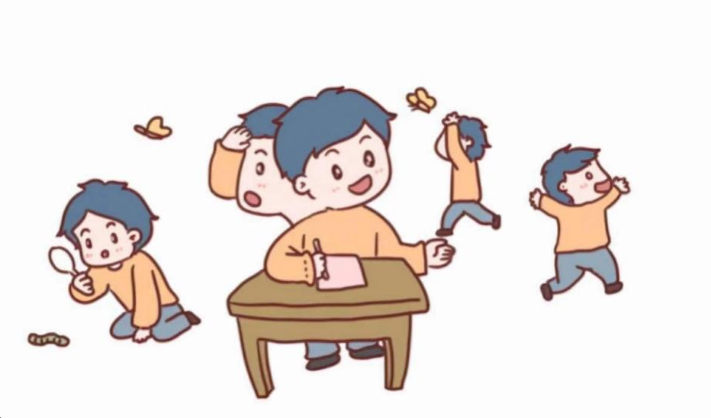
Understanding ADHD Through the Lens of Traditional Chinese Medicine
In Traditional Chinese Medicine (TCM), ADHD-like symptoms are often viewed as an imbalance in the body’s internal systems, specifically involving the Heart, Liver, and Spleen. Rather than focusing solely on behavioral suppression, TCM seeks to harmonize the body’s Qi (energy) and blood flow to promote cognitive clarity and emotional stability.
The Role of Liver and Kidney Yin
TCM practitioners often associate hyperactivity with “Liver Yang Rising,” a state where excessive energy moves upward, causing restlessness and irritability. Conversely, Kidney Yin deficiency is often linked to difficulties with focus and memory. By nourishing these systems, the body can achieve a state of calm.

Dietary Strategies for Neurodivergent Support
Nutrition plays a pivotal role in managing ADHD symptoms. The goal is to reduce systemic inflammation and stabilize blood sugar levels, which are critical for maintaining attention throughout the day.
Recommended Dietary Guidelines
- Prioritize whole, unprocessed foods to minimize synthetic additives.
- Increase intake of Omega-3 fatty acids, found in fatty fish, walnuts, and flaxseeds, to support brain function.
- Focus on complex carbohydrates that provide a slow, steady release of energy.
- Incorporate “cooling” foods if the child exhibits signs of heat, such as excessive thirst or irritability.
| Food Category | Impact on ADHD |
|---|---|
| Refined Sugars | Can trigger spikes and crashes in energy and focus. |
| Artificial Colors | Often linked to increased hyperactivity in sensitive children. |
| Magnesium-Rich Foods | Helps soothe the nervous system and improve sleep quality. |
Lifestyle Modifications and Pro Tips
Beyond diet and herbs, the environment in which a child lives significantly impacts their ability to self-regulate. Establishing a rhythmic routine helps satisfy the body’s need for internal order, mirroring the TCM principle of living in harmony with natural cycles.
Expert Advice for Parents
Consistency is your greatest tool. Implement a “low-stimulation” hour before bedtime to help the child’s nervous system transition from activity to rest. Use visual aids to help with transitions, reducing the anxiety that often accompanies ADHD-related executive function challenges.
Frequently Asked Questions (FAQ)
- Can TCM replace conventional ADHD medication?
- TCM is intended to be a complementary therapy. Always consult with your pediatrician before making any changes to prescribed medications or starting herbal protocols.
- Which foods should be avoided for children with ADHD?
- It is generally recommended to limit artificial food dyes, high-fructose corn syrup, and highly processed snacks, as these can exacerbate inflammatory responses and erratic behavior.
- How long does it take to see results with dietary changes?
- Consistency is key. Many parents report noticeable shifts in emotional regulation and focus within 4 to 6 weeks of implementing a clean, nutrient-dense diet.
- Is acupuncture safe for children with ADHD?
- Yes, pediatric acupuncture (or even non-needle techniques like acupressure) is widely considered safe when performed by a licensed professional specializing in pediatric care.