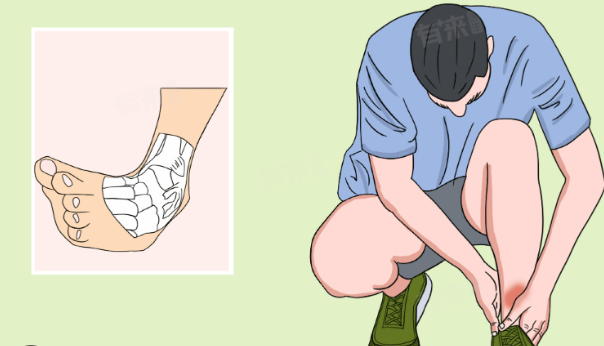
A muscle strain, or pulled muscle, occurs when muscle fibers are overstretched or torn. While common, the recovery process is often misunderstood, leading to re-injury or chronic issues. This comprehensive guide expands on the critical mistakes to avoid, providing you with a roadmap for not just healing, but for returning stronger and more resilient. We will explore the physiology of muscle repair and detail the expert-approved strategies for a successful recovery.
Understanding the Muscle Strain Healing Process
Before diving into the mistakes, it’s crucial to understand what happens inside your body after a strain. The healing process is a complex, multi-stage biological sequence. Rushing or disrupting any of these phases can lead to poor outcomes.
Phase 1: The Inflammatory Stage (1-7 days)
Immediately after injury, damaged cells release chemicals that trigger an inflammatory response. Blood vessels dilate, bringing immune cells to the area to clear out damaged tissue. This phase is characterized by pain, swelling, redness, and heat. While uncomfortable, inflammation is a necessary first step for healing.
Phase 2: The Proliferation or Repair Stage (3 days – 6 weeks)
Your body begins to lay down new tissue. Specialized cells called fibroblasts produce collagen, the building block of muscle and connective tissue, to create a “scar.” This initial scar tissue is weak and disorganized, making the muscle highly vulnerable to re-injury if overloaded.
Phase 3: The Remodeling Stage (3 weeks – 12+ months)
The body works to replace the weak, disorganized scar tissue with stronger, more organized fibers that align with the direction of muscle pull. This phase is heavily influenced by a gradual and progressive return to activity, which “teaches” the new tissue how to function like a normal muscle. This is the longest phase and is where many recovery mistakes are made.

Mistake #1: Rushing Your Return to Activity
The most common and damaging mistake is feeling a little better and immediately jumping back into your previous intensity of training or activity. This is a recipe for disaster.
The “Why”: The Dangers of Premature Loading
As explained in the repair phase, the new tissue is fragile. Subjecting it to high stress before it has matured and remodeled sufficiently will cause the weak collagen fibers to tear again. This not only resets the healing clock but can also lead to the development of excessive, chronic scar tissue, which is less flexible and more prone to future strains. It creates a vicious cycle of re-injury.
The Correct Approach: A Phased and Gradual Return
Recovery is not a passive process. The key is “optimal loading,” not complete rest followed by a sudden return. Start with gentle, pain-free range of motion exercises. Progress to light isometric contractions (tensing the muscle without movement). From there, move to light resistance exercises and finally, sport-specific movements. Each step should be guided by your symptoms; pain is a signal to ease off.
Mistake #2: Aggressive Stretching of the Injured Muscle
The instinct when a muscle feels tight is to stretch it. However, in the acute and early repair phases of a muscle strain, aggressive static stretching can do more harm than good.
The “Why”: Stretching Can Worsen the Tear
Remember, a strain is a tear in the muscle fibers. When you aggressively stretch the injured area, you are pulling apart the very fibers that your body is trying to knit back together. This can increase the size of the tear, worsen inflammation, and disrupt the formation of the new collagen matrix, ultimately delaying healing.
The Correct Approach: Focus on Gentle Mobility
In the initial days, focus on pain-free active range of motion for the joints above and below the injury. For example, with a hamstring strain, gentle knee and hip movements are beneficial. As healing progresses, you can introduce very gentle, dynamic stretches, but static, end-range stretching should be one of the last things you reintroduce, well into the remodeling phase.
Mistake #3: Ignoring Pain and Avoiding Professional Help
Pain is not a sign of weakness; it is your body’s primary communication system. Ignoring it or simply masking it with painkillers without addressing the underlying issue is a critical error.
The “Why”: Pain is a Protective Signal
Pain tells you when you are pushing a healing tissue beyond its current capacity. Working through sharp pain means you are actively causing more damage. Furthermore, if you don’t seek a proper diagnosis, you might be dealing with a more severe injury (like a Grade 3 tear) that requires medical intervention.
The Correct Approach: Listen to Your Body and Seek Expertise
Use pain as your guide. A dull ache during activity might be acceptable, but sharp, stabbing pain is a red flag. A professional, such as a physical therapist or a TCM practitioner, can provide an accurate diagnosis, guide your rehabilitation, and use modalities like acupuncture or manual therapy to manage pain, improve blood flow, and facilitate a more organized healing process.
Expert Checklist for Optimal Muscle Strain Recovery
Use this checklist to ensure you are covering all bases for a safe and effective recovery.
- Initial 48-72 Hours: Focus on protection and reducing swelling. Avoid aggravating activities. Apply gentle compression and elevate the limb.
- Pain-Free Movement: As soon as possible, begin gentle, pain-free range of motion exercises to prevent stiffness.
- Introduce Light Load: Once pain-free movement is established, begin isometric contractions, holding for 5-10 seconds without pain.
- Progressive Strengthening: Gradually add resistance with bands or light weights, ensuring the movement remains slow, controlled, and pain-free.
- Functional Movement: Start re-introducing movements that mimic your daily activities or sport, starting at a very low intensity and speed.
- Monitor for Swelling/Pain: Any increase in pain or swelling after an activity is a sign you did too much. Rest and regress to the previous stage.
- Prioritize Sleep & Nutrition: Healing is metabolically demanding. Ensure you get 7-9 hours of quality sleep and consume adequate protein to support tissue repair.
Frequently Asked Questions (FAQ)
- How long does a muscle strain take to heal?
- This depends entirely on the severity (grade) of the strain. A mild Grade 1 strain might feel better in 1-3 weeks. A moderate Grade 2 strain can take 4-8 weeks. A severe Grade 3 tear (a complete rupture) may require surgery and can take many months to fully rehabilitate. Rushing the process will always extend the timeline.
- Should I use ice or heat for a muscle strain?
- Traditionally, ice (cryotherapy) was recommended in the first 48-72 hours to reduce inflammation and numb pain. However, modern protocols suggest that some inflammation is necessary for healing. Ice can be used for pain relief, but avoid prolonged application. Heat is generally more beneficial after the initial acute phase (after 72 hours) to increase blood flow, relax the muscle, and promote tissue healing.
- What’s the difference between a strain and a sprain?
- The terms are often used interchangeably, but they affect different tissues. A strain is an injury to a muscle or a tendon (the tissue that connects muscle to bone). A sprain is an injury to a ligament (the tissue that connects bone to bone).
- When can I safely return to my sport or full activity?
- You should meet several criteria before a full return: 1) Full, pain-free range of motion in the affected joint. 2) Strength in the injured muscle that is at least 90-95% of the uninjured side. 3) The ability to perform sport-specific movements (like sprinting, jumping, or cutting) at full speed without pain or hesitation.