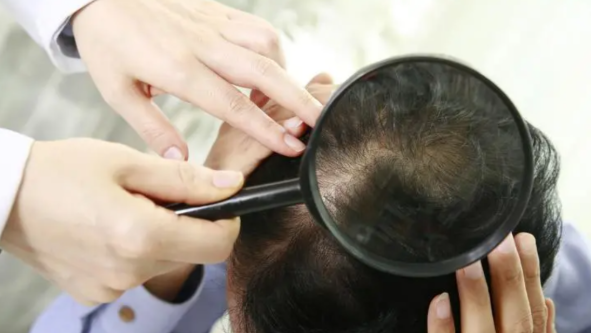
The Biological Mechanisms of Hair Growth
To effectively prevent hair loss, one must first understand the life cycle of a hair follicle. The growth process is divided into three distinct phases: Anagen (growth), Catagen (transition), and Telogen (resting). Disruptions in this cycle, often caused by genetics, hormonal shifts, or oxidative stress, lead to thinning and shedding.
Understanding the Anagen Phase
The Anagen phase is the active period of growth where the hair shaft is produced. Factors such as localized blood flow, nutrient availability, and hormonal balance dictate the duration of this phase. When the Anagen phase shortens, hair becomes brittle and thinner, eventually leading to premature fallout.

Nutritional Foundations for Follicle Health
Dietary intake is the primary driver of hair protein synthesis. Hair is composed primarily of keratin, a fibrous protein. A deficiency in essential amino acids, vitamins, and trace minerals can force the body to divert energy away from non-essential tissues like hair follicles.
Key Micro-Nutrients for Hair Strength
- Biotin (B7): Critical for keratin production.
- Iron: Essential for oxygen transport to the scalp.
- Zinc: Plays a vital role in hair tissue growth and repair.
- Omega-3 Fatty Acids: Essential for maintaining scalp oil hydration.
| Nutrient | Primary Function | Source |
|---|---|---|
| Protein | Structural building blocks | Eggs, Lean Meats, Legumes |
| Vitamin D | Follicle activation | Sunlight, Fortified Foods |
| Vitamin C | Collagen synthesis | Citrus, Bell Peppers |

Pro Tips for Busy Professionals
Maintaining hair health while on the move requires efficiency. You do not need hours of treatment; you need targeted, high-impact habits that protect the follicle from environmental stressors.
Daily Maintenance Strategies
Avoid tight hairstyles that cause traction alopecia. Use sulfate-free shampoos to maintain the natural lipid barrier of the scalp. Finally, ensure you are managing stress, as high cortisol levels are a known trigger for telogen effluvium.
Frequently Asked Questions (FAQ)
- How much hair loss is considered normal?
- It is considered standard to lose between 50 to 100 strands of hair per day. Anything exceeding this consistently may indicate an underlying issue.
- Does washing hair daily contribute to hair loss?
- No, washing your hair removes oil and debris that can clog follicles. Use gentle products to avoid stripping the scalp of essential moisture.
- Can stress actually cause hair to fall out?
- Yes, severe physical or emotional stress can trigger telogen effluvium, pushing a large number of hair follicles into a resting phase simultaneously.
- Are supplements effective for hair loss?
- Supplements can be effective if you have a documented deficiency. Always consult a healthcare professional before starting high-dose vitamin regimens.