Understanding Digestive Enzymes and Their Biological Role
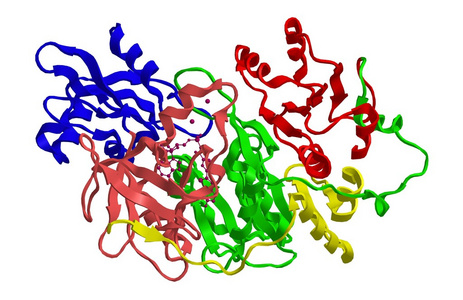
Digestive enzymes are specialized protein molecules that act as biological catalysts, accelerating the chemical reactions necessary to break down complex food particles into absorbable nutrients. Without these catalysts, the body would be unable to extract the essential vitamins, minerals, and macronutrients required for cellular function and energy production.
The Mechanism of Enzymatic Action
Enzymes function through a highly specific “lock-and-key” mechanism where a specific substrate binds to the enzyme’s active site. The primary enzymes involved in human digestion include:
- Amylase: Responsible for the breakdown of carbohydrates into simple sugars like glucose.
- Protease: Essential for the hydrolysis of proteins into individual amino acids.
- Lipase: Facilitates the emulsification and breakdown of dietary fats into fatty acids and glycerol.
When the body experiences a deficiency in these naturally produced enzymes—often due to age, stress, or chronic inflammation—it can lead to malabsorption, bloating, and systemic fatigue.

The Role of Probiotics in Microbiome Homeostasis
While enzymes focus on the mechanical and chemical breakdown of food, probiotics represent the living microbial architecture of the gut. These beneficial bacteria reside primarily in the large intestine and play a critical role in immune modulation, neurotransmitter synthesis, and the defense against pathogenic colonization.
Categorizing Beneficial Microbial Strains
The efficacy of a probiotic regimen often depends on the specific genus and species of the bacteria introduced. The most extensively researched groups include:
- Lactobacillus: Primarily found in the small intestine, these bacteria produce lactic acid, which helps lower gut pH and inhibits the growth of harmful bacteria.
- Bifidobacterium: These reside in the colon and are essential for the fermentation of dietary fibers and the production of short-chain fatty acids (SCFAs).
Maintaining a diverse and robust microbiome is not merely about digestion; it is a foundational pillar of the gut-brain axis, influencing everything from mood regulation to metabolic rate.

Synergistic Integration: Combining Enzymes and Probiotics
The true power of digestive optimization lies in the strategic combination of both enzymes and probiotics. While they operate via different pathways, their effects are complementary. Enzymes ensure that food is effectively broken down before it reaches the lower intestinal tract, while probiotics utilize the resulting nutrients to thrive and colonize, thereby reinforcing the intestinal barrier.
Comparative Analysis of Digestive Support
| Feature | Digestive Enzymes | Probiotics |
|---|---|---|
| Primary Function | Chemical Breakdown | Microbiome Balance |
| Action Site | Stomach and Small Intestine | Large Intestine (Colon) |
| Key Benefit | Nutrient Bioavailability | Immune & Barrier Support |

Advanced Strategies for Long-Term Gut Optimization
Achieving peak digestive health requires a multi-phased approach. Simply supplementing is often insufficient if the underlying lifestyle factors—such as dietary fiber intake, hydration, and stress management—are not addressed.
The Hierarchy of Digestive Health
For those seeking to implement an advanced strategy, consider the following clinical priorities:
- Phase 1: Elimination and Clearing: Removing inflammatory triggers (processed sugars, artificial sweeteners) that disrupt microbial balance.
- Phase 2: Enzymatic Support: Utilizing broad-spectrum enzymes during high-protein or complex meals to reduce digestive burden.
- Phase 3: Targeted Probiotic Colonization: Introducing high-CFU (Colony Forming Unit) supplements that contain multiple strains to encourage ecosystem diversity.
Frequently Asked Questions (FAQ)
- Q1: Can I take enzymes and probiotics at the same time?
- Yes, it is generally safe and often highly effective to take them together. Enzymes facilitate the breakdown of food, while probiotics work to maintain the health of the intestinal lining, creating a comprehensive support system for the digestive tract.
- Q2: How long does it take to see results from these supplements?
- While individual results vary, many users report a reduction in bloating within a few days of enzyme use. Probiotic benefits, which involve shifting the microbial composition of the gut, typically require 4 to 8 weeks of consistent daily usage.
- Q3: Are there side effects to high-dose supplementation?
- Initial usage of probiotics can sometimes lead to temporary gas or bloating as the gut flora shifts. It is recommended to start with a lower dose and gradually increase it to allow your digestive system to adapt.
- Q4: Do I need to keep my probiotics refrigerated?
- This depends on the specific strain and manufacturing process. Some advanced “shelf-stable” formulations use lyophilization (freeze-drying) to ensure the bacteria remain dormant and viable at room temperature, while others require refrigeration to maintain potency.