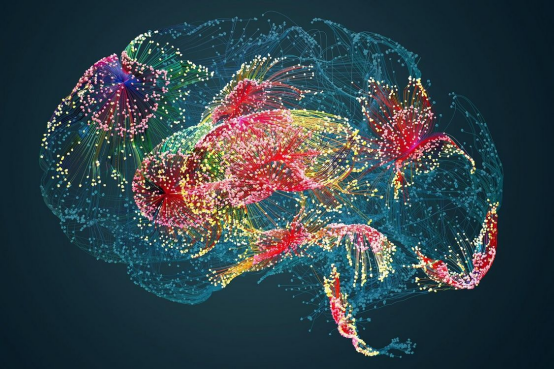
The Brain: Command Center for Sexual Desire
Sexual desire is fundamentally rooted in the brain, serving as the central processing unit for all sensory inputs, emotional responses, and physiological signals that culminate in the experience of libido. It’s not a single switch but a complex network involving multiple regions, each contributing to the initiation, maintenance, and expression of sexual interest. Understanding the brain’s intricate role provides a foundational perspective on how internal and external stimuli translate into desire.
The Hypothalamus and Limbic System: Emotional Drivers
At the core of sexual drive are the hypothalamus and the limbic system. The hypothalamus, a small but powerful region, acts as a crucial link between the nervous system and the endocrine system, regulating hormone release and basic drives like hunger, thirst, and sex. It processes sensory information and initiates physiological responses. Adjacent to it, the limbic system, often referred to as the “emotional brain,” includes structures like the amygdala and hippocampus, which are vital for processing emotions, memory, and motivation. The amygdala, for instance, plays a significant role in emotional arousal and the response to sexual stimuli, while the hippocampus is involved in memory formation, linking past experiences and associations to current desire.
- Hypothalamus: Integrates sensory input, controls hormone release, and directly influences sexual behavior.
- Limbic System: Processes emotions, motivation, and memory, providing the emotional context and drive for sexual desire.
- Prefrontal Cortex: While not part of the limbic system, the prefrontal cortex is crucial for decision-making, social behavior, and inhibiting inappropriate sexual responses, demonstrating the brain’s executive control over primitive urges.
Neurotransmitters: The Chemical Messengers of Desire
Beyond anatomical structures, sexual desire is heavily mediated by a sophisticated array of neurotransmitters, which are chemical messengers that transmit signals between neurons. These neurochemicals can either excite or inhibit neural pathways involved in libido, directly impacting our mood, energy levels, and responsiveness to sexual cues.
- Dopamine: Often dubbed the “pleasure” or “reward” neurotransmitter, dopamine is pivotal in motivation and the anticipation of pleasure. High levels are associated with increased sexual desire and arousal, driving us towards rewarding experiences.
- Serotonin: This neurotransmitter plays a complex, often inhibitory, role. While essential for mood regulation and well-being, excessive serotonin levels can sometimes suppress libido, a common side effect of certain antidepressant medications (SSRIs). Balanced serotonin levels contribute to overall emotional stability, which indirectly supports healthy sexual function.
- Norepinephrine (Noradrenaline): Involved in arousal and alertness, norepinephrine contributes to the physiological aspects of sexual excitement, such as increased heart rate and blood flow.
- Acetylcholine: Plays a role in arousal and muscle contraction, including those involved in sexual function.

Testosterone: The Primary Driver of Libido
While often associated primarily with male sexuality, testosterone is a crucial sex hormone for both men and women, playing a significant role in regulating libido, energy levels, and overall well-being. Its impact on sexual desire is profound and multifaceted, influencing not only the physiological readiness for sex but also the psychological drive and motivation.
Testosterone’s Role in Men
In men, testosterone is produced predominantly in the testes and, to a lesser extent, in the adrenal glands. It is the primary androgen responsible for the development of male secondary sexual characteristics and is a potent driver of sexual desire. Levels typically peak in early adulthood and gradually decline with age, a phenomenon often referred to as “andropause” or late-onset hypogonadism, although it’s a more gradual process than female menopause. The impact of testosterone on male libido is well-documented:
- Direct Influence on Desire: Testosterone acts on specific receptors in the brain, particularly in the hypothalamus and limbic system, to directly stimulate sexual thoughts, fantasies, and motivation.
- Energy and Vitality: Adequate testosterone levels contribute to overall energy, stamina, and a sense of vitality, which are indirect but crucial components of a healthy sex drive. Low levels can lead to fatigue, further dampening desire.
- Erectile Function: While not solely responsible, testosterone contributes to nitric oxide production, a key molecule for achieving and maintaining erections by relaxing smooth muscle tissue in the penis.
Studies have consistently shown a strong correlation between lower testosterone levels and decreased libido in men. For instance, a meta-analysis published in the Journal of Clinical Endocrinology & Metabolism highlighted that testosterone replacement therapy can significantly improve sexual desire in hypogonadal men.
Testosterone’s Role in Women
Though present in much smaller quantities, testosterone is equally vital for women’s sexual health, produced in the ovaries and adrenal glands. Its importance is often underestimated, yet it significantly influences female libido and overall sexual function.
- Sexual Desire and Arousal: Just as in men, testosterone in women contributes to sexual thoughts, fantasies, and the overall drive for intimacy. It also plays a role in clitoral sensitivity and the intensity of orgasms.
- Energy and Mood: Balanced testosterone levels support energy, mood stability, and a sense of well-being in women. Imbalances can lead to lethargy, irritability, and a diminished sense of vitality, all of which can negatively impact libido.
- Bone Density and Muscle Mass: Beyond sexual function, testosterone contributes to maintaining bone density and muscle mass in women, impacting overall physical health and body image, which can indirectly affect sexual confidence.
Fluctuations in female testosterone levels, particularly after menopause or due to certain medical conditions, can lead to a noticeable decrease in libido. For example, women undergoing oophorectomy (removal of ovaries) often experience a significant drop in testosterone, resulting in reduced sexual desire, which may sometimes be addressed with low-dose testosterone therapy, though this remains an off-label use in many regions.

Estrogen and Progesterone: Shaping Female Sexual Health
While testosterone plays a universal role, estrogen and progesterone are the primary female sex hormones, profoundly influencing not only reproductive health but also sexual desire, arousal, and overall quality of sexual life. Their fluctuating levels throughout the menstrual cycle, pregnancy, and menopause create a dynamic landscape for female libido.
Estrogen: The Hormone of Female Arousal and Well-being
Estrogen, primarily produced in the ovaries, is critical for the development of female secondary sexual characteristics and regulating the menstrual cycle. Its impact on sexual health extends far beyond reproduction:
- Vaginal Health and Lubrication: Estrogen maintains the elasticity, thickness, and natural lubrication of vaginal tissues. Adequate lubrication is essential for comfortable and pleasurable sexual activity. A decrease in estrogen, particularly during menopause, often leads to vaginal dryness and discomfort, directly impacting desire.
- Blood Flow to Genital Area: Estrogen promotes healthy blood flow to the clitoris and other genital tissues, which is crucial for arousal and sensitivity.
- Mood and Cognitive Function: Estrogen has neuroprotective effects and plays a role in mood regulation. Stable estrogen levels contribute to emotional well-being, which is intrinsically linked to sexual desire. Fluctuations, such as those during premenstrual syndrome (PMS) or perimenopause, can lead to mood swings and decreased libido.
- Indirect Influence on Libido: While testosterone is more directly linked to desire, estrogen creates the physiological conditions that make sex pleasurable and comfortable, thus indirectly supporting libido. Without adequate estrogen, the physical aspects of sex can become uncomfortable, leading to a decrease in desire.
A significant drop in estrogen during menopause is a primary cause of reduced libido and sexual dysfunction in older women. Hormone Replacement Therapy (HRT) often includes estrogen to alleviate these symptoms, improving vaginal health and overall sexual comfort.
Progesterone: Its Subtle Influence on Libido
Progesterone, also produced primarily in the ovaries after ovulation, is well-known for its role in preparing the uterus for pregnancy and maintaining it. Its influence on libido is more nuanced and can be both positive and negative, depending on the context and individual differences.
- Post-Ovulation Effects: During the luteal phase of the menstrual cycle (after ovulation), progesterone levels rise. Some women report a decrease in libido during this phase, possibly due to progesterone’s calming and sedating effects, which can counteract the more stimulating effects of estrogen and testosterone peaking around ovulation.
- Pregnancy and Postpartum: Progesterone levels are very high during pregnancy to maintain the uterine lining. While individual experiences vary, many women report changes in libido during pregnancy, often a decrease, which can be attributed to hormonal shifts, fatigue, and physical discomfort. Postpartum, the sudden drop in progesterone, alongside other hormonal changes and the demands of new motherhood, can also contribute to low libido.
- Contraceptive Impact: Progestin-only contraceptives or combined oral contraceptives can sometimes lead to reduced libido in some women. This is often attributed to the suppression of natural ovarian hormone production, including testosterone, which can impact desire.
The interaction between estrogen, progesterone, and testosterone creates a delicate hormonal balance that significantly impacts female sexual desire and responsiveness. Understanding these dynamics is crucial for addressing concerns related to female sexual health.

Beyond Sex Hormones: The Influence of Oxytocin, Cortisol, and Thyroid
While testosterone, estrogen, and progesterone are central to sexual desire, other hormones play critical supporting or inhibitory roles. The intricate balance of these “non-sex” hormones can significantly impact libido, highlighting the holistic nature of our endocrine system and its profound connection to sexual health. Understanding these influences provides a more complete picture of what drives or dampens desire.
Oxytocin: The Bonding Hormone
Often referred to as the “love hormone” or “cuddle hormone,” oxytocin is produced in the hypothalamus and released by the pituitary gland. It plays a crucial role in social bonding, trust, and empathy, but its influence extends directly to sexual function and desire.
- Arousal and Orgasm: Oxytocin levels surge during sexual arousal and peak during orgasm, contributing to the pleasurable sensations and muscle contractions involved. This release reinforces the positive experience of intimacy.
- Pair Bonding and Attachment: Post-coital release of oxytocin fosters feelings of attachment and bonding between partners, enhancing emotional intimacy and potentially increasing future desire within a relationship.
- Stress Reduction: Oxytocin has an anxiolytic (anxiety-reducing) effect, which can create a more relaxed and receptive state for sexual activity.
The role of oxytocin underscores the importance of emotional connection and intimacy in fostering sexual desire, especially in long-term relationships.
Cortisol: The Silent Libido Killer
Cortisol is the body’s primary stress hormone, produced by the adrenal glands. While essential for managing acute stress, chronically elevated cortisol levels—due to ongoing stress, lack of sleep, or certain medical conditions—can be detrimental to libido.
- Suppression of Sex Hormones: High cortisol can disrupt the hypothalamic-pituitary-gonadal (HPG) axis, the central regulator of sex hormone production. Chronic stress can lead to a phenomenon known as “pregnenolone steal,” where the body prioritizes cortisol production over sex hormones, diverting precursors away from testosterone and estrogen synthesis.
- Reduced Energy and Mood: Persistent stress and high cortisol levels deplete energy, lead to fatigue, and can contribute to anxiety and depression, all of which are significant inhibitors of sexual desire.
- Physiological Arousal Inhibition: The “fight or flight” response triggered by cortisol diverts resources away from non-essential functions like reproduction, making the body less receptive to sexual arousal.
Managing stress effectively is therefore a critical strategy for maintaining a healthy libido.
Thyroid Hormones: The Metabolic Connection
The thyroid gland, located in the neck, produces hormones (primarily T3 and T4) that regulate metabolism, energy levels, and overall cellular function. Imbalances in thyroid hormones can have a widespread impact, including on sexual desire.
- Hypothyroidism (Underactive Thyroid): Low thyroid hormone levels can lead to symptoms such as fatigue, weight gain, depression, and reduced energy. These symptoms often translate into a significantly decreased libido due to a general lack of vitality and motivation.
- Hyperthyroidism (Overactive Thyroid): While less common for libido reduction, hyperthyroidism can cause anxiety, irritability, and restlessness, which can also interfere with sexual desire and function.
Ensuring optimal thyroid function is crucial for overall health and can directly or indirectly support a healthy sex drive. Individuals experiencing persistent fatigue and low libido should consider having their thyroid levels checked.

The Interconnected System: Brain-Body-Hormone Feedback Loops
Sexual desire is not a linear process but a dynamic, intricately connected system involving continuous communication between the brain, various bodily organs, and the endocrine system. This communication occurs through complex feedback loops, where the output of one component influences the input of another, ensuring that hormone levels are tightly regulated and physiological responses are coordinated. Understanding these feedback mechanisms is essential to grasp the holistic nature of libido regulation.
Neuroendocrine Pathways: How They Communicate
The brain and endocrine system are in constant dialogue via neuroendocrine pathways. The hypothalamus, a key brain region, acts as the bridge. It produces releasing and inhibiting hormones that travel to the pituitary gland, often called the “master gland.” In turn, the pituitary releases hormones that stimulate other endocrine glands throughout the body, such as the gonads (testes and ovaries), adrenal glands, and thyroid gland, to produce their respective hormones.
- Hypothalamic-Pituitary-Gonadal (HPG) Axis: This is the most critical pathway for sexual function.
- The hypothalamus releases Gonadotropin-Releasing Hormone (GnRH).
- GnRH stimulates the pituitary to release Luteinizing Hormone (LH) and Follicle-Stimulating Hormone (FSH).
- LH and FSH then act on the gonads to stimulate the production of testosterone (in men and women) and estrogen/progesterone (in women).
- Hypothalamic-Pituitary-Adrenal (HPA) Axis: This axis controls the body’s stress response. Chronic activation of the HPA axis (e.g., due to prolonged stress) leads to elevated cortisol, which can suppress the HPG axis, directly impacting sex hormone production and libido.
- Hypothalamic-Pituitary-Thyroid (HPT) Axis: This axis regulates metabolism. Disruptions here, leading to hypo- or hyperthyroidism, can indirectly affect libido by altering energy levels, mood, and overall physiological function.
These axes are not independent; they influence each other, creating a complex web of interactions that govern our physiological and psychological state, including sexual desire.
Feedback Loops: Maintaining Balance
A hallmark of the endocrine system is its use of negative feedback loops to maintain homeostasis. When sex hormone levels (like testosterone or estrogen) in the bloodstream reach a certain threshold, they signal back to the hypothalamus and pituitary gland to reduce the release of GnRH, LH, and FSH. This mechanism prevents overproduction and ensures hormone levels stay within a healthy range.
- Example in Men: As testosterone levels rise, they inhibit GnRH release from the hypothalamus and LH/FSH release from the pituitary. This slows down testosterone production until levels drop, at which point the inhibition lessens, and production resumes.
- Example in Women: Estrogen and progesterone levels fluctuate throughout the menstrual cycle. High estrogen levels during the follicular phase can have positive feedback on LH, leading to the LH surge and ovulation. However, after ovulation, high levels of both estrogen and progesterone exert negative feedback on the hypothalamus and pituitary, preventing further ovulation.
Disruptions to these delicate feedback loops, whether due to aging, stress, illness, or external factors, can lead to hormonal imbalances that manifest as changes in libido. For instance, chronic stress can dysregulate the HPA axis, which then interferes with the HPG axis, leading to lower sex hormone production and diminished desire. Similarly, endocrine-disrupting chemicals from the environment can interfere with hormone receptor sites or synthesis pathways, throwing these finely tuned systems out of balance.

Holistic Approaches to Nurturing Sexual Desire
Given the multifaceted nature of sexual desire, encompassing brain function, hormonal balance, psychological well-being, and lifestyle choices, a truly effective approach to nurturing and improving libido must be holistic. Focusing solely on one aspect, such as hormone levels, often overlooks other critical contributors to a healthy and fulfilling sexual life. Embracing a comprehensive strategy allows individuals to address the various factors that influence their desire.
Lifestyle Adjustments: Building a Foundation for Desire
Many common causes of low libido are rooted in lifestyle factors that can be modified. These adjustments not only support sexual health but also contribute to overall well-being.
- Stress Management: Chronic stress is a significant libido killer due to its impact on cortisol and the HPG axis. Techniques like mindfulness meditation, yoga, deep breathing exercises, spending time in nature, and engaging in hobbies can effectively reduce stress levels. Prioritizing relaxation and setting boundaries are crucial.
- Adequate Sleep: Sleep deprivation disrupts hormone regulation, increases cortisol, and reduces energy levels, all of which can suppress libido. Aim for 7-9 hours of quality sleep per night to allow the body to restore and balance hormones.
- Nutritious Diet: A balanced diet rich in whole foods, healthy fats, lean proteins, and complex carbohydrates supports overall hormonal health and provides the energy needed for sexual activity. Specific nutrients like zinc (for testosterone production), Vitamin D, and Omega-3 fatty acids are particularly beneficial. Avoiding excessive processed foods, sugar, and unhealthy fats can reduce inflammation and improve energy.
- Regular Physical Activity: Exercise improves circulation, reduces stress, boosts mood (via endorphins), and can enhance body image and confidence. Moderate exercise, such as brisk walking, jogging, or strength training, can positively impact libido by optimizing hormone levels and increasing energy.
- Limit Alcohol and Tobacco: Excessive alcohol consumption can temporarily impair sexual function and, over time, disrupt hormone balance. Smoking damages blood vessels, impairing circulation to sexual organs and negatively affecting overall health and vitality.
Hormone Replacement Therapy (HRT) and Medical Interventions
When lifestyle changes are insufficient, or when significant hormonal imbalances are identified, medical interventions may be necessary. These should always be discussed with a healthcare professional to ensure safety and appropriateness.
- Testosterone Therapy: For men and, in some cases, women with clinically low testosterone levels and associated symptoms of low libido, testosterone replacement therapy (TRT) can be considered. This can be administered via injections, gels, patches, or pellets. Close monitoring by a doctor is essential due to potential side effects and long-term implications.
- Estrogen Therapy: For postmenopausal women experiencing vaginal dryness and discomfort due to low estrogen, local estrogen therapy (creams, rings, tablets) can significantly improve vaginal health and comfort, thereby enhancing the physical aspect of sexual activity and desire. Systemic estrogen therapy (HRT) can address broader menopausal symptoms, including mood swings that impact libido.
- Thyroid Hormone Replacement: If hypothyroidism is diagnosed, prescribed thyroid hormone medication can restore metabolic balance, alleviate fatigue, and often improve libido.
- Addressing Underlying Health Conditions: Managing chronic conditions like diabetes, heart disease, depression, or anxiety is crucial, as these can significantly impact sexual function and desire. Medications for these conditions should also be reviewed with a doctor, as some can have libido-suppressing side effects.
Communication and Emotional Well-being
Beyond the physiological and hormonal, psychological and relational factors are paramount to sexual desire. Addressing these aspects is often as critical as, if not more important than, physical interventions.
- Open Communication with Partner: Discussing desires, concerns, and expectations with a partner can alleviate pressure, build intimacy, and help identify areas for improvement. Misunderstandings and unspoken needs can be major barriers to desire.
- Therapy and Counseling: Individual therapy (e.g., CBT) can help address underlying psychological issues such as depression, anxiety, body image concerns, past trauma, or performance anxiety that may be inhibiting libido. Couples therapy can help improve relationship dynamics, communication, and intimacy, all of which are vital for sexual desire.
- Prioritizing Emotional Intimacy: Sexual desire is often deeply intertwined with emotional connection. Nurturing emotional intimacy through quality time, shared activities, affection, and mutual support can significantly enhance sexual desire and satisfaction.
- Self-Care and Body Positivity: Feeling good about oneself, both physically and emotionally, is fundamental to sexual desire. Engaging in self-care activities, practicing body positivity, and fostering a healthy self-image can boost confidence and readiness for intimacy.
By integrating lifestyle modifications, appropriate medical interventions, and robust emotional and relational support, individuals can take a proactive and holistic approach to nurturing a healthy and fulfilling sexual desire throughout their lives.
Frequently Asked Questions (FAQ)
- Q1: Can stress really impact my libido?
- Absolutely. Chronic stress leads to elevated levels of the hormone cortisol. High cortisol can suppress the production of sex hormones like testosterone and estrogen, directly reducing libido. Additionally, stress depletes energy, causes fatigue, and can lead to anxiety or depression, all of which are major inhibitors of sexual desire. Managing stress through relaxation techniques, adequate sleep, and mindfulness is crucial for maintaining a healthy sex drive.
- Q2: Is low libido always a sign of low testosterone?
- While low testosterone is a common cause of diminished libido in both men and women, it’s not the only factor. Libido is a complex interplay of hormones, brain function, psychological state, and lifestyle. Other factors like chronic stress, poor sleep, certain medications (e.g., antidepressants, blood pressure drugs), underlying health conditions (e.g., diabetes, thyroid issues), relationship problems, and mental health issues like depression or anxiety can all contribute to low libido, even with normal testosterone levels.
- Q3: How do diet and exercise affect sexual desire?
- Diet and exercise play significant indirect roles. A healthy diet provides essential nutrients for hormone production and energy, while avoiding processed foods reduces inflammation and supports overall vitality. Regular exercise improves blood circulation (crucial for arousal), boosts mood through endorphins, reduces stress, and can enhance body image and confidence. All these factors contribute positively to energy levels, mood, and physiological readiness for sexual activity, thereby supporting libido.
- Q4: What is the role of the brain in sexual desire, beyond just hormones?
- The brain is the ultimate command center for sexual desire. Regions like the hypothalamus and limbic system process emotions, memories, and motivations related to sex. Neurotransmitters such as dopamine (for pleasure and reward) and serotonin (for mood regulation) directly influence sexual thoughts and drive. Psychological factors like self-esteem, body image, relationship dynamics, and past experiences are all processed in the brain and profoundly shape our willingness and capacity for sexual desire, independent of or in conjunction with hormonal influences.
- Q5: Can medications affect libido, and what should I do if they do?
- Yes, many medications can impact libido as a side effect. Common culprits include certain antidepressants (especially SSRIs), blood pressure medications, antihistamines, and some hormonal contraceptives. If you suspect a medication is affecting your sexual desire, it’s crucial to speak with your doctor. Do not stop taking prescribed medication without medical advice. Your doctor may be able to adjust the dosage, switch you to an alternative medication, or offer strategies to mitigate the side effects.