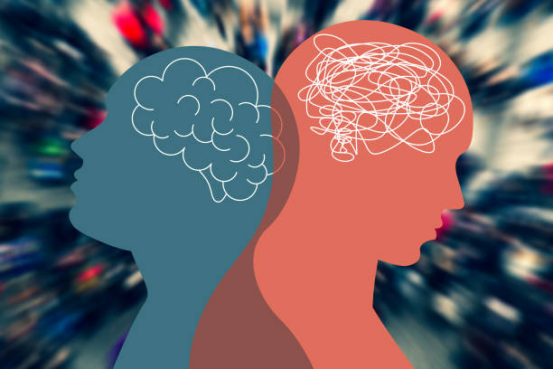
The Neurobiological Mechanics of Addiction
Addiction is frequently misunderstood as a simple failure of willpower. In reality, it is a complex, chronic condition rooted in the neurobiology of the brain’s reward circuitry. When an individual engages in addictive behaviors, the brain undergoes structural and functional changes, effectively hijacking the natural processes meant for survival and reinforcement.
The Role of Dopamine in Reward Seeking
At the center of the addictive process is dopamine, the neurotransmitter responsible for reinforcement learning. When an individual experiences a pleasurable stimulus, the brain releases a surge of dopamine, signaling that the event is worth repeating. In the context of addiction, this system is pathologically over-stimulated.
- The Reinforcement Loop: Repeated exposure causes the brain to desensitize to normal rewards, requiring higher doses or more frequent engagement to achieve the same effect.
- Structural Plasticity: Chronic abuse alters the prefrontal cortex, the area responsible for decision-making, judgment, and impulse control, making it physically difficult to ‘just stop.’

Addiction as a Dirty Band-Aid
Beyond the chemical dependency, addiction often functions as a maladaptive coping mechanism. It serves as a ‘dirty band-aid’—a temporary, destructive solution covering an underlying emotional or psychological wound. By focusing solely on the substance, society often misses the root cause of the behavior.
Identifying the Underlying Pain
Most individuals trapped in cycles of addiction are attempting to self-medicate unresolved trauma, chronic stress, or profound feelings of inadequacy. The addiction provides a fleeting sense of relief or numbness, which, while effective in the short term, exacerbates the original problem over time.
| Feature | The Band-Aid Approach | The Recovery Approach |
|---|---|---|
| Focus | Eliminating the substance | Healing the root trauma |
| Result | High relapse probability | Sustainable psychological health |
| Method | Suppression | Integration and Processing |

Pathways to Sustainable Recovery
Recovery is not merely the absence of a substance; it is a holistic reconstruction of one’s relationship with oneself and their environment. Effective recovery strategies must address both the biological brain chemistry and the psychological needs that led to the addiction in the first place.
Strategies for Neural and Emotional Re-wiring
To break the cycle, one must engage in practices that support neural plasticity and emotional regulation. This involves replacing the ‘dirty band-aid’ with healthy, sustainable coping mechanisms.
- Cognitive Behavioral Therapy (CBT): Helps identify the triggers that lead to impulsive behaviors and teaches the brain new ways to process emotional distress.
- Mindfulness and Regulation: Practices that strengthen the prefrontal cortex, allowing individuals to pause between a trigger and a response.
- Nutritional and Lifestyle Support: Supporting the brain’s physical healing through balanced nutrition and sleep helps stabilize the neurotransmitter environment.

Breaking the Cycle: A Long-Term Perspective
True recovery is a marathon, not a sprint. It requires a fundamental shift in perception—moving away from the idea of ‘quitting’ and toward the idea of ‘healing.’ When the underlying emotional needs are met through healthy avenues, the brain no longer requires the ‘dirty band-aid’ to function, leading to a permanent reduction in the addictive drive.
Frequently Asked Questions (FAQ)
- Q1: Is addiction a disease of choice?
- While the initial decision to engage in a behavior may be voluntary, chronic addiction fundamentally changes the brain’s structure, impairing the ability to regulate impulses. It is best classified as a chronic brain disorder.
- Q2: Why do people relapse even after long periods of sobriety?
- Relapse often occurs because the underlying emotional triggers—the original ‘wound’ the addiction was masking—have not been fully processed or addressed through therapy.
- Q3: Can the brain heal from the effects of long-term addiction?
- Yes, the brain exhibits neuroplasticity. Through consistent healthy habits, therapy, and time, the brain can reorganize and restore balance to its reward systems.
- Q4: How does ‘self-medicating’ relate to addiction?
- Self-medicating occurs when an individual uses substances or behaviors to mask pain, anxiety, or depression. It is the core reason why addiction acts as a ‘dirty band-aid’—it hides the problem while causing collateral damage.