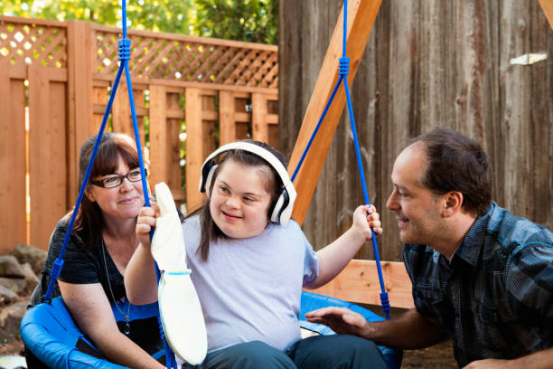
Navigating the Educational Landscape for Children with Autism
The journey toward formal education for a child with autism is rarely a solitary path. It requires a collaborative battle that bridges the gap between the sanctuary of the home and the structured environment of the school. Achieving academic and social success necessitates a proactive approach where parents act as primary advocates, ensuring that the school environment is not just an institution of learning, but a supportive ecosystem tailored to the child’s neurodivergent needs.
Building the Parent-School Partnership
Communication is the cornerstone of this collaboration. Parents must establish a consistent, transparent line of dialogue with teachers, special education coordinators, and therapists. This involves moving beyond reactive communication during crises to proactive, scheduled updates that track developmental milestones and behavioral triggers.
- Individualized Education Programs (IEPs): Ensure that the IEP is a living document, reviewed frequently to reflect the child’s current capabilities rather than static past data.
- Collaborative Goal Setting: Align home-based developmental goals with classroom objectives to create a reinforcement loop that benefits the child across all settings.

Essential Companionship Strategies for Daily Development
Raising a child with autism requires a shift in perspective, moving from traditional parenting models to a companionship-based approach. This strategy emphasizes emotional regulation, patient observation, and the creation of a sensory-friendly environment that allows the child to thrive at their own pace.
Cultivating Emotional Intelligence and Connection
Companionship is about meeting the child where they are. Rather than forcing social norms, parents should focus on shared interests—a concept often referred to as “following the child’s lead.” By engaging with their special interests, parents can build deep bonds that serve as a foundation for social learning.
| Strategy | Goal | Expected Outcome |
|---|---|---|
| Sensory Integration | Minimize environmental overload | Increased focus and reduced anxiety |
| Predictable Routines | Establish a sense of security | Better transition management |
| Visual Supports | Bridge communication gaps | Improved autonomy and task completion |

Prioritizing Parental Self-Care and Resilience
The advocacy and companionship required to support a child with autism can be physically and emotionally draining. Parental self-care is not a luxury; it is a prerequisite for effective caregiving. A burnt-out caregiver cannot provide the high level of patience and emotional regulation required to support a child on the spectrum.
Sustainable Caregiving Practices
Developing a support network is critical. This includes seeking respite care, joining support groups, and maintaining individual therapy. By managing their own mental health, parents model the self-regulation they are teaching their children.
- Boundary Setting: Learn to say no to excessive extracurricular demands that compromise family well-being.
- Professional Support: Utilize respite services to ensure you have time to recharge, maintaining your ability to remain a calm and present companion for your child.

Advanced Strategies for Long-term Success
Looking toward the future requires planning for independence and skill acquisition. This involves analyzing the child’s unique strengths and potential career or vocational interests early on, ensuring that academic paths align with their inherent abilities.
Preparing for Transitions
Transitioning from early intervention to primary school, and eventually to secondary education, is a high-stress period. Successful transition plans involve pre-visitation, meeting new teachers in advance, and creating social stories that prepare the child for the change in environment.
Frequently Asked Questions (FAQ)
- Q1: How can I improve communication with my child’s teacher?
- Utilize a communication logbook or a digital app to share daily successes and challenges. Schedule quarterly meetings to review the IEP, ensuring it remains aligned with the child’s progress.
- Q2: What is the most important aspect of companionship for an autistic child?
- The most important element is validation. Respecting their sensory needs and engaging with their passions creates a safe environment where they feel understood rather than judged.
- Q3: How do I handle burnout while caring for my child?
- Acknowledge that your well-being directly impacts your child’s success. Seek out local support groups, utilize respite care services, and prioritize rest to maintain your capacity to provide high-quality care.
- Q4: How can I prepare my child for school transitions?
- Use visual schedules and social stories to explain the upcoming change. Arrange for “soft” visits to the new classroom before the school year begins to reduce anxiety associated with the new environment.