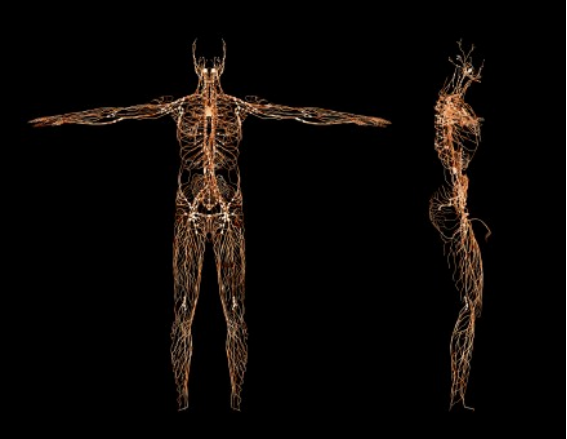
Understanding the Human Nervous System: The Body’s Command Center
The human nervous system is an extraordinarily complex network of nerves and cells that carry messages to and from the brain and spinal cord to various parts of the body. It is the master control system, orchestrating everything from our most basic involuntary functions, like breathing and heartbeat, to complex processes such as thought, emotion, memory, and voluntary movement. Without a properly functioning nervous system, our ability to interact with the world, perceive sensations, or even sustain life would cease to exist. It acts as the body’s internal communication system, interpreting information from the external environment and coordinating appropriate responses.
The ‘Why’ Behind the Nervous System’s Design
The intricate design of the nervous system is a testament to millions of years of evolution, driven by the need for organisms to sense, process, and react to their environment for survival. Its hierarchical and decentralized structure allows for both rapid, automatic responses (like reflexes) and deliberate, complex decision-making. The division into central and peripheral systems, and further into somatic and autonomic branches, ensures that the body can simultaneously manage conscious actions and unconscious physiological maintenance. This layered architecture provides redundancy, efficiency, and adaptability, crucial for navigating a dynamic world and maintaining internal homeostasis.

Key Components of the Nervous System: CNS and PNS Explained
The nervous system is broadly divided into two main parts: the Central Nervous System (CNS) and the Peripheral Nervous System (PNS). Each plays a distinct yet interconnected role in the body’s overall function, working in concert to process information and execute commands.
The Central Nervous System (CNS): Brain and Spinal Cord
The CNS is the command center, responsible for integrating and coordinating all nervous activity. It receives sensory information, processes it, and sends out motor commands. Protection is paramount for these vital organs, encased within the skull and vertebral column, respectively.
The Brain: Control Hub
The brain is the most complex organ in the human body, weighing about 3 pounds but containing billions of neurons. It is the seat of consciousness, thought, memory, emotion, and voluntary movement. Different regions of the brain specialize in various functions, from the cerebral cortex handling higher-order thinking to the cerebellum coordinating movement and balance, and the brainstem controlling vital life functions.
The Spinal Cord: Information Highway
The spinal cord is a long, thin, tubular bundle of nervous tissue and support cells that extends from the brainstem down to the lower back. It serves as the primary pathway for communication between the brain and the rest of the body. It also independently mediates reflex actions, allowing for rapid responses without direct input from the brain, which is critical for immediate protection against harm.
The Peripheral Nervous System (PNS): Extending the Network
The PNS consists of all the nerves that branch out from the brain and spinal cord to other parts of the body, including muscles and organs. Its primary role is to connect the CNS to the limbs and organs, essentially serving as a communication relay between the brain’s command center and the body’s extremities.
Somatic Nervous System: Voluntary Control
The somatic nervous system is responsible for voluntary body movements and for receiving external stimuli. It comprises afferent nerves, which carry sensory information from the body to the CNS, and efferent nerves, which carry motor commands from the CNS to skeletal muscles, allowing for conscious control over movement.
Autonomic Nervous System: Involuntary Regulation
The autonomic nervous system (ANS) controls involuntary functions that are essential for life, such as heart rate, digestion, respiration, salivation, perspiration, and sexual arousal. It operates largely outside of conscious awareness and is further divided into two complementary branches:
Sympathetic Division: Fight or Flight
The sympathetic nervous system prepares the body for stressful or emergency situations. It triggers the “fight or flight” response, increasing heart rate, dilating pupils, inhibiting digestion, and redirecting blood flow to muscles. This prepares the individual to either confront a threat or flee from it.
Parasympathetic Division: Rest and Digest
The parasympathetic nervous system works to calm the body after a stressful event and conserve energy. It promotes “rest and digest” activities, decreasing heart rate, constricting pupils, stimulating digestion, and promoting relaxation. These two divisions often work in opposition, creating a balanced regulation of bodily functions.
Neurons: The Fundamental Units of Neural Communication
At the core of the nervous system’s incredible capability are specialized cells called neurons, or nerve cells. These are the fundamental units responsible for transmitting electrical and chemical signals throughout the body. Understanding their structure and function is key to grasping how the nervous system operates.
Anatomy of a Neuron: Structure and Function
A typical neuron consists of three main parts, each with a specific role in signal transmission:
- Cell Body (Soma): This is the neuron’s metabolic center, containing the nucleus and other organelles vital for the cell’s survival and function. It processes incoming signals and determines whether to generate an output signal.
- Dendrites: Tree-like branches extending from the cell body, dendrites are the primary receivers of signals from other neurons. They act like antennas, collecting information and transmitting it towards the cell body. A neuron can have multiple dendrites, increasing its capacity to receive information.
- Axon: A long, slender projection that extends from the cell body, the axon is responsible for transmitting electrical impulses (action potentials) away from the cell body to other neurons, muscles, or glands. Many axons are covered by a myelin sheath, a fatty layer that insulates the axon and significantly speeds up signal transmission.
How Neurons Communicate: Synapses and Neurotransmitters
Neurons do not directly touch each other. Instead, they communicate across tiny gaps called synapses, using a combination of electrical and chemical signals. This process is remarkably precise and allows for complex information processing.
The Synaptic Cleft: A Bridge for Information
When an electrical impulse (action potential) reaches the end of an axon, it arrives at the presynaptic terminal. This terminal is separated from the dendrite or cell body of the next neuron (the postsynaptic neuron) by a minuscule space known as the synaptic cleft. This gap prevents direct electrical transmission and necessitates a chemical intermediary.
Neurotransmitters: Chemical Messengers
Upon the arrival of an action potential at the presynaptic terminal, it triggers the release of chemical messengers called neurotransmitters into the synaptic cleft. These neurotransmitters diffuse across the gap and bind to specific receptor proteins on the postsynaptic neuron’s membrane. This binding can either excite the postsynaptic neuron, making it more likely to fire its own action potential, or inhibit it, making it less likely to fire. Examples of critical neurotransmitters include acetylcholine (muscle contraction, memory), dopamine (reward, motivation), serotonin (mood, sleep), and GABA (inhibition).
How the Nervous System Orchestrates Life: Sensory Input to Motor Output
The nervous system operates in a continuous cycle of sensing, processing, and reacting. This fundamental workflow allows us to interact with our environment, maintain internal balance, and perform all life-sustaining functions.
The Pathway of Information: A Three-Step Process
The processing of information by the nervous system can be broadly categorized into three sequential steps:
- Sensory Input: Specialized sensory receptors throughout the body detect changes in the internal or external environment. These stimuli can be anything from light and sound to temperature, pressure, or chemical changes. Sensory (afferent) neurons then transmit this information as electrical signals to the CNS. For example, touching a hot stove sends a pain signal.
- Integration: Once sensory information reaches the CNS (brain and spinal cord), it is processed and interpreted. The brain integrates multiple sensory inputs, compares them with stored memories, and determines an appropriate response. This is where perception, decision-making, and complex thought occur. The brain recognizes the stove is hot and dangerous.
- Motor Output: Following integration, the CNS generates a motor command. Motor (efferent) neurons carry these commands from the CNS to effector organs, such as muscles or glands, which then carry out the response. For instance, the command to withdraw your hand from the hot stove.
Reflex Arcs: The Body’s Rapid Response System
While most nervous system activities involve the full sensory-integration-motor pathway, some responses are so critical for survival that they bypass conscious brain processing. These are known as reflex arcs. A reflex arc is a neural pathway that mediates a reflex action. For example, if you accidentally touch a hot object, your hand withdraws almost instantly, even before you consciously register the pain. In this case, sensory neurons send signals to the spinal cord, which directly relays a motor command back to the muscles in your arm, causing withdrawal. The signal eventually reaches the brain, but the motor response has already occurred, minimizing potential damage.
Common Nervous System Conditions and Maintaining Neural Health
Given its complexity, the nervous system is susceptible to a variety of conditions that can impair its function, ranging from acute injuries to chronic degenerative diseases. Understanding these challenges and adopting preventative measures is crucial for long-term neural health.
Overview of Neurological Disorders
Neurological disorders encompass a vast array of conditions affecting the brain, spinal cord, and nerves. Some common examples include:
- Stroke: Occurs when blood flow to a part of the brain is interrupted or reduced, depriving brain tissue of oxygen and nutrients. Brain cells begin to die within minutes.
- Epilepsy: A chronic disorder characterized by recurrent, unprovoked seizures, which are sudden, uncontrolled disturbances in brain activity.
- Parkinson’s Disease: A progressive nervous system disorder that affects movement, often including tremors. It results from the loss of dopamine-producing neurons in a specific area of the brain.
- Multiple Sclerosis (MS): An autoimmune disease where the body’s immune system attacks the protective myelin sheath covering nerve fibers, leading to communication problems between the brain and the rest of the body.
- Neuropathy: Damage to nerves in the peripheral nervous system, often causing weakness, numbness, and pain, typically in the hands and feet.
Strategies for a Healthy Nervous System
While some conditions are unavoidable, many aspects of nervous system health can be influenced by lifestyle choices:
- Balanced Nutrition: A diet rich in antioxidants, omega-3 fatty acids, B vitamins, and magnesium supports brain health. Foods like leafy greens, berries, fatty fish, nuts, and whole grains are particularly beneficial.
- Regular Exercise: Physical activity increases blood flow to the brain, promotes the growth of new neurons, and reduces inflammation.
- Adequate Sleep: Sleep is crucial for memory consolidation, waste removal from the brain, and overall neural repair and regeneration. Aim for 7-9 hours per night.
- Stress Management: Chronic stress can have detrimental effects on brain structure and function. Techniques like meditation, yoga, mindfulness, and spending time in nature can help mitigate stress.
- Mental Stimulation: Engaging in mentally challenging activities, learning new skills, or solving puzzles can help maintain cognitive function and neural plasticity.
- Avoid Toxins: Minimize exposure to neurotoxins like excessive alcohol, illicit drugs, and certain environmental pollutants.
Pro Tips for Optimal Nervous System Function
Beyond the basics, here are some expert insights to further enhance and protect your nervous system:
- Prioritize Gut Health: The “gut-brain axis” is a significant pathway of communication between the digestive system and the brain. A healthy gut microbiome, supported by probiotics and fiber-rich foods, can positively impact mood, cognitive function, and reduce inflammation that might affect the brain.
- Stay Hydrated: Water is essential for all bodily functions, including nerve signal transmission and neurotransmitter production. Even mild dehydration can impair cognitive function and mood.
- Practice Intermittent Fasting (with caution): Some research suggests that intermittent fasting may promote brain health by enhancing neuroplasticity, reducing inflammation, and stimulating cellular repair processes (autophagy). Consult a healthcare professional before starting.
- Limit Processed Foods & Sugar: Diets high in refined sugars and unhealthy fats can lead to chronic inflammation and oxidative stress, both of which are detrimental to neural health.
- Engage in Novelty & Learning: Regularly exposing your brain to new experiences, learning a new language, or picking up a musical instrument can build new neural pathways and strengthen existing ones, enhancing cognitive reserve.
- Maintain Social Connections: Strong social ties and regular interaction can reduce stress, improve mood, and are linked to a lower risk of cognitive decline.
Nervous System Divisions: A Comparative Overview
Understanding the distinct roles of the nervous system’s primary divisions is crucial for comprehending its overall functionality.
| Feature | Central Nervous System (CNS) | Peripheral Nervous System (PNS) |
|---|---|---|
| Components | Brain and Spinal Cord | All nerves outside the brain and spinal cord (cranial, spinal, autonomic nerves) |
| Primary Role | Integration, processing, command center, decision-making | Relays information between CNS and rest of the body; sensory input and motor output |
| Protection | Protected by skull and vertebral column | Less protected, more susceptible to injury |
| Subdivisions | N/A (though brain has distinct regions) | Somatic Nervous System (voluntary) and Autonomic Nervous System (involuntary) |
| Key Functions | Consciousness, thought, memory, emotion, reflex arcs | Sensory perception, voluntary movement, regulation of internal organs |
| Cell Types | Neurons, Oligodendrocytes, Astrocytes, Microglia, Ependymal cells | Neurons, Schwann cells, Satellite cells |
Frequently Asked Questions (FAQ)
- What is the primary function of the nervous system?
- The primary function of the nervous system is to control and coordinate all bodily activities. It receives sensory information from the internal and external environments, processes this information, and then initiates appropriate responses, enabling thought, movement, sensation, and the regulation of vital organ functions.
- How do neurons transmit information throughout the body?
- Neurons transmit information through a combination of electrical and chemical signals. An electrical impulse (action potential) travels down the neuron’s axon. At the axon terminal, this electrical signal triggers the release of chemical messengers called neurotransmitters into the synaptic cleft, a tiny gap between neurons. These neurotransmitters then bind to receptors on the next neuron, either exciting or inhibiting it, thereby propagating the signal.
- What is the difference between the sympathetic and parasympathetic nervous systems?
- Both are divisions of the autonomic nervous system and work antagonistically to maintain homeostasis. The sympathetic nervous system prepares the body for “fight or flight” responses during stress, increasing heart rate and energy mobilization. The parasympathetic nervous system promotes “rest and digest” activities, conserving energy and returning the body to a calm state after stress, by slowing heart rate and stimulating digestion.
- Can the nervous system heal itself after injury?
- The capacity for healing in the nervous system is limited and varies significantly between the CNS and PNS. Peripheral nerves have some ability to regenerate, particularly if the nerve cell body remains intact. However, neurons in the CNS (brain and spinal cord) have very limited regenerative capacity, and damage often results in permanent functional deficits due to factors like inhibitory molecules and glial scarring.
- What are some common signs of a nervous system problem?
- Signs of nervous system problems can vary widely depending on the affected area, but common symptoms include persistent headaches, dizziness, numbness or tingling, weakness or loss of muscle strength, vision problems, memory loss, difficulty speaking or understanding, seizures, and changes in balance or coordination. If you experience any of these, it’s crucial to seek medical evaluation.