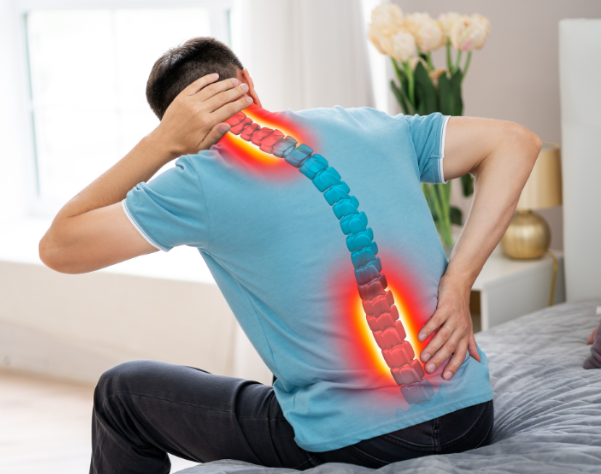
The Biological Foundation: Kidney Essence and Bone Health
In Traditional Chinese Medicine (TCM), bone health is not merely a matter of calcium intake; it is an external manifestation of internal organ harmony. The “Why” behind osteoporosis in TCM centers on the Kidney system. According to the Huangdi Neijing, the Kidneys govern the bones and produce marrow. When Kidney “Jing” (vital essence) is abundant, bones are strong, dense, and resilient. As we age, or due to constitutional weaknesses, this essence naturally declines, leading to what Western medicine identifies as decreased bone mineral density.
Understanding Kidney Jing and Bone Marrow
Kidney Jing is the fundamental substance that fuels growth, development, and reproduction. In the context of skeletal integrity, Jing transforms into marrow, which nourishes the bones. A deficiency in Kidney Yin or Kidney Yang directly results in “thin” marrow, leaving the skeletal structure brittle and prone to fractures. By addressing the root cause—Kidney deficiency—TCM practitioners aim to slow bone loss and stimulate the body’s innate regenerative capabilities.

Nutritional Alchemy: TCM Herbs and Dietary Protocols
The expansion of treatment beyond basic supplementation involves complex herbal formulas designed to tonify the Kidney and invigorate Blood. Chronic bone issues often involve “Blood Stasis,” where poor circulation prevents nutrients from reaching the bone matrix. TCM utilizes specific “herbal architects” to rebuild this structure from the inside out.
Key Herbs for Bone Density
Several powerhouse herbs are consistently used in TCM osteoporosis protocols. “Du Zhong” (Eucommia Bark) is renowned for strengthening the lower back and bones, while “Xu Duan” (Teasel Root)—literally translated as “restore what is broken”—is used to promote the mending of bone tissues. These are often combined with “Shu Di Huang” (Prepared Rehmannia) to deeply nourish the Kidney Yin and essence.
| Feature | Western Medicine Approach | TCM Holistic Approach |
|---|---|---|
| Primary Focus | Calcium and Vitamin D levels | Kidney Essence and Marrow Quality |
| Mechanism | Antiresorptive drugs (Bisphosphonates) | Herbal tonics and Blood invigoration |
| Diagnosis | DEXA Scan (T-Score) | Pulse, Tongue, and Symptom Patterns |
| Side Effects | Potential GI upset or jaw issues | Minimal; focuses on overall vitality |
Expert Advice: The Pro-Bone Lifestyle
To truly upgrade bone health, one must look beyond the medicine cabinet. Expert practitioners suggest a multi-faceted “Pro-Bone” protocol that integrates movement and specific dietary inclusions that are often overlooked in standard wellness advice.
-
Black Foods for Kidney Health:
In TCM, the color black corresponds to the Kidneys. Incorporating black sesame seeds, black beans, and wood ear mushrooms provides the “essentials” required for Jing replenishment. -
Weight-Bearing Qi Gong:
Unlike high-impact exercise, Qi Gong focuses on internal pressure and slow, deliberate movements that stimulate bone growth without overtaxing the joints. -
The Salt Balance:
While some salt is necessary for Kidney function, excessive salt intake “drains” the Kidneys and leaches calcium from the bones. Moderation is key.
Frequently Asked Questions (FAQ)
-
Can TCM replace my current osteoporosis medication?
- TCM is best used as a complementary therapy. You should never stop prescribed medication without consulting your doctor. TCM works excellently alongside Western treatments to mitigate side effects and improve the body’s absorption of nutrients.
-
How long does it take to see results with TCM for bone health?
- Bone remodeling is a slow process. While subjective symptoms like back pain may improve within 4-8 weeks, significant changes in bone density typically require 6 to 12 months of consistent herbal and lifestyle therapy.
-
Is acupuncture effective for osteoporosis?
- Yes. Acupuncture helps by regulating the endocrine system and improving local blood circulation to the periosteum (the membrane covering the bones), which can help reduce the pain associated with bone loss and fractures.
-
Are there specific foods I should avoid?
- From a TCM perspective, excessive “Cold” and “Raw” foods can weaken the Digestive Spleen, which in turn fails to support the Kidneys. It is recommended to eat warm, cooked meals to ensure maximum nutrient assimilation.
-
Is this approach suitable for post-menopausal women?
- Absolutely. Post-menopausal osteoporosis is often linked to a sharp decline in Kidney Essence. TCM focuses specifically on nourishing the “Ren” and “Du” channels to balance hormones naturally during this transition.