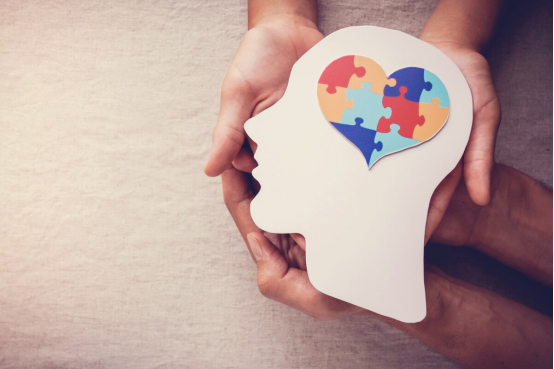
For decades, the understanding and support of autistic individuals have been largely framed within a medical model, often emphasizing “fixing” or “normalizing” behaviors that deviate from neurotypical norms. However, a profound shift is underway, driven by both scientific advancements and the powerful voices of the autistic community itself. This emerging perspective, known as the neurodiversity paradigm, reframes autism not as a disorder to be cured, but as a natural and valuable variation in human brain function. This guide explores the critical implications of this shift, particularly highlighting why genuine support hinges on adaptation rather than correction, fostering environments where autistic individuals can truly thrive.
Understanding Neurodiversity: A Paradigm Shift for Autism
The concept of neurodiversity posits that neurological differences, such as autism, ADHD, dyslexia, and Tourette’s syndrome, are simply part of the natural variation of the human genome, much like differences in ethnicity, gender, or sexual orientation. It challenges the long-held view that there is one “correct” or “normal” way for a human brain to function, suggesting instead that a diversity of minds enriches society as a whole. For autism, this means moving away from a pathology-first perspective that focuses solely on deficits and challenges, towards an understanding that encompasses unique strengths, different ways of processing information, and distinct modes of interacting with the world.
Historical Context: From Deficit Model to Neuro-Affirmative Approaches
Historically, autism was often viewed through a purely clinical lens, focusing on diagnostic criteria that highlighted “impairments” in social interaction, communication, and restricted, repetitive behaviors. Early interventions were frequently geared towards extinguishing these behaviors and training individuals to mimic neurotypical social conventions. This deficit-based model, while born from a desire to help, often overlooked the inherent value and potential within autistic individuals, leading to interventions that could be harmful, fostering masking, anxiety, and a sense of inadequacy. The neurodiversity movement, pioneered by autistic self-advocates, directly confronts this, advocating for:
- Acceptance and Respect: Recognizing autism as a valid way of being, not a mistake.
- Celebration of Strengths: Acknowledging and leveraging unique autistic talents, such as intense focus, pattern recognition, honesty, and deep knowledge in specific areas.
- Environmental Adaptation: Shifting the onus from changing the autistic person to modifying environments and societal expectations to be more inclusive.
This paradigm shift is not merely semantic; it fundamentally alters the goals and methods of support, moving towards a framework that prioritizes well-being, autonomy, and genuine integration.

The Crucial Distinction: Adaptation vs. Correction in Autism Support
At the heart of the neurodiversity paradigm lies the pivotal difference between “adaptation” and “correction.” Understanding this distinction is not just theoretical; it profoundly impacts the daily lives and long-term outcomes for autistic individuals. When support systems aim for “correction,” the underlying assumption is that there is something inherently wrong with the autistic person that needs to be fixed. This often manifests as efforts to suppress natural autistic traits, such as stimming (self-stimulatory behaviors), direct communication styles, or intense interests, to make the individual appear more “normal” or compliant within neurotypical society.
Why “Correction” Can Be Harmful and Ineffective
The pursuit of correction, while often well-intentioned, can have significant detrimental effects:
- Increased Anxiety and Depression: Constantly trying to mask or suppress natural behaviors leads to chronic stress, exhaustion, and can contribute to severe mental health issues. Autistic individuals often report feeling like they are “acting” all the time, which is unsustainable.
- Loss of Authentic Self: When individuals are taught that their natural expressions are unacceptable, it can erode their sense of self-worth and identity. They may internalize the message that they are fundamentally flawed.
- Burnout: The cognitive load required to continuously monitor and alter natural behaviors is immense, leading to autistic burnout, characterized by intense exhaustion, loss of skills, and increased sensory sensitivities.
- Missed Opportunities for Genuine Connection: Focusing on superficial compliance can prevent deeper understanding and connection, as authentic needs and communication styles are ignored or suppressed.
For example, forcing eye contact can be physically painful or disorienting for some autistic individuals, yet it’s often a prime target for “correction.” This prioritizes neurotypical comfort over autistic well-being and genuine communication.
Embracing Adaptation: Fostering Empowerment and Well-being
Conversely, adaptation involves modifying the environment, communication styles, and expectations to better suit the autistic individual’s needs and strengths. It’s about creating a world that is more accessible and accommodating, rather than demanding that the individual conform to an inaccessible one. This approach recognizes that challenges often arise from a mismatch between the autistic person and their environment, not solely from the individual’s inherent traits. Key aspects of adaptation include:
- Sensory Accommodations: Providing quiet spaces, noise-canceling headphones, fidget toys, or adjusting lighting to reduce sensory overload.
- Flexible Communication: Respecting varied communication styles, including non-verbal cues, written communication, or assistive technologies, and using clear, explicit language.
- Structured Predictability: Offering clear schedules, visual aids, and preparing for transitions to reduce anxiety associated with uncertainty.
- Valuing Unique Contributions: Recognizing and leveraging specific autistic strengths in academic, professional, and social settings.
By adapting, we empower autistic individuals to navigate the world more comfortably and effectively, allowing them to allocate their energy to learning, engaging, and developing their unique talents, rather than constantly struggling to fit into an ill-fitting mold. This leads to greater autonomy, improved mental health, and richer, more authentic social interactions.

Practical Strategies for Supporting Autistic Individuals Through Adaptation
Implementing the adaptation paradigm requires concrete, actionable strategies across various domains. These strategies move beyond superficial adjustments, aiming for a deep understanding of individual needs and preferences to create truly inclusive and supportive environments. It’s crucial to remember that autism is a spectrum, and what works for one person may not work for another; therefore, personalized approaches are paramount.
Communication: Building Bridges, Not Barriers
Effective communication is a two-way street that often requires adaptation from neurotypical individuals to meet autistic communication styles. This involves:
- Clarity and Explicitness: Avoid idioms, sarcasm, vague language, and implied meanings. Be direct and precise. For example, instead of “Let’s hang out sometime,” try “Would you like to meet for coffee on Saturday at 2 PM at [specific cafe]?”
- Visual Supports: Many autistic individuals process information visually. Using visual schedules, social stories, written instructions, or diagrams can significantly enhance understanding and reduce anxiety.
- Respecting Processing Time: Allow extra time for individuals to process information and formulate responses. Avoid interrupting or filling silences.
- Understanding Non-Verbal Cues: Recognize that autistic non-verbal communication may differ. A lack of eye contact doesn’t necessarily mean disinterest, and stimming is often a self-regulation tool, not a sign of rudeness.
- Active Listening: Focus on understanding the message, even if delivered unconventionally. Ask clarifying questions respectfully.
A specific case study might involve a workplace where team meetings are documented with detailed written summaries and action points, alongside verbal discussions, ensuring all team members, including those who process information differently, are fully engaged and informed.
Sensory Environment: Creating Comfortable and Predictable Spaces
Sensory sensitivities are a hallmark of autism, with individuals often experiencing hyper- (over-responsiveness) or hypo- (under-responsiveness) sensitivities to various stimuli. Adapting the sensory environment is critical for reducing overwhelm and promoting comfort.
- Identifying Triggers: Work with the individual to identify specific sounds, lights, textures, or smells that cause distress or discomfort.
- Reducing Overload:
- Lighting: Opt for natural light or soft, indirect lighting instead of harsh fluorescents.
- Sound: Provide noise-canceling headphones, create quiet zones, or use white noise machines.
- Texture: Offer choices in clothing, furniture, or tactile objects.
- Smell: Minimize strong perfumes, air fresheners, or cleaning product scents.
- Providing Sensory Input: For those with hypo-sensitivities, offer opportunities for sensory seeking, such as fidget toys, weighted blankets, or access to movement breaks.
- Creating Predictability: Consistent routines and clear spatial organization can reduce sensory anxiety. For example, a classroom might have a designated “calm corner” with specific, consistent tools.
Consider a school setting where a “sensory diet” is integrated into a student’s day, allowing for scheduled breaks in a sensory room or providing specific tools like chewelry or weighted vests, based on their individual profile.
Social Interaction: Fostering Authentic Connections
Social interactions can be complex for autistic individuals, not necessarily due to a lack of desire for connection, but due to differing social processing and communication styles. Adaptation focuses on creating inclusive social settings and understanding diverse social needs.
- Explicit Social Navigation: For those who desire it, providing explicit information about social expectations in specific contexts can be helpful, rather than relying on implicit understanding.
- Respecting Social Boundaries: Understand that social energy can be limited. Allow for breaks from social interaction and respect preferences for solitary activities.
- Group Activities with Shared Interests: Facilitate social opportunities centered around shared passions, which can be a more natural entry point for connection than unstructured social gatherings.
- Peer Education: Educate neurotypical peers about neurodiversity to foster empathy and understanding, reducing judgment and promoting acceptance.
- Avoiding Forced Socialization: Do not compel social interaction that causes distress. Focus on quality over quantity and genuine connection over superficial performance.
A community center might host a “Gaming Club” or “Art Workshop” specifically designed to bring together individuals with shared interests, creating a low-pressure environment for social connection without demanding neurotypical social rituals.

Beyond Individual Support: Advocating for Systemic Neuro-Inclusion
While individual-level adaptations are crucial, achieving true inclusion for autistic individuals necessitates broader, systemic changes. The neurodiversity paradigm calls for a societal shift that not only accommodates but actively celebrates and integrates neurodivergent perspectives across all institutions and public spaces. This involves proactive advocacy, policy reform, and a fundamental re-evaluation of societal norms.
Educating Society and Institutions
Widespread education is the cornerstone of systemic change. This goes beyond basic awareness to foster deep understanding and empathy:
- Public Awareness Campaigns: Challenging stereotypes and promoting accurate portrayals of autistic individuals in media and public discourse.
- Professional Training: Ensuring that educators, healthcare providers, employers, and law enforcement personnel receive comprehensive training on neurodiversity-affirmative practices, sensory sensitivities, and communication styles. This includes moving beyond outdated models and integrating lived experiences.
- Curriculum Development: Incorporating neurodiversity education into school curricula to foster understanding and acceptance from a young age, promoting a more inclusive future generation.
For example, a healthcare system might implement mandatory neurodiversity training for all staff, from receptionists to specialists, ensuring that autistic patients receive respectful and appropriate care that accounts for their unique needs, such as longer appointment times or quiet waiting areas.
Policy Changes and Accessibility
Legal and policy frameworks must evolve to protect the rights of autistic individuals and mandate accessibility. This includes:
- Anti-Discrimination Laws: Strengthening protections against discrimination in employment, housing, and public services based on neurotype.
- Accessibility Mandates: Expanding accessibility requirements beyond physical access to include neuro-inclusive design, such as sensory-friendly public spaces (e.g., quiet hours at grocery stores, designated low-sensory zones in airports or entertainment venues).
- Funding for Neuro-Affirmative Services: Directing resources towards services that align with the neurodiversity paradigm, focusing on skill-building, advocacy, and environmental adaptations rather than behavior suppression.
A city council could pass an ordinance requiring new public buildings to include sensory-friendly design elements, such as adjustable lighting, sound-absorbing materials, and quiet rooms, setting a precedent for universal neuro-accessibility.
Promoting Autistic Voices and Self-Advocacy
Central to systemic neuro-inclusion is the amplification of autistic voices. “Nothing about us, without us” is a fundamental principle. Autistic individuals are the experts on their own experiences and must be at the forefront of designing and implementing policies and support systems. This involves:
- Leadership Roles: Ensuring autistic individuals hold leadership positions in organizations that serve them, and on policy-making bodies.
- Support for Self-Advocacy: Providing resources and platforms for autistic people to advocate for their rights and needs, fostering empowerment and collective action.
- Research Collaboration: Engaging autistic researchers and community members in the design and execution of autism research, ensuring it is relevant, ethical, and impactful from a lived experience perspective.
An example of this is a national autism organization forming an advisory board composed entirely of autistic adults, whose input directly shapes the organization’s strategic direction, program development, and public messaging, ensuring authenticity and relevance.
By collectively working towards these systemic changes, society can move beyond mere tolerance to genuine acceptance and appreciation of neurodiversity, unlocking the full potential of all its members.
Frequently Asked Questions (FAQ)
- Q1: What is the core difference between the neurodiversity paradigm and the medical model of autism?
- The medical model views autism as a disorder or deficit that needs to be treated or cured, focusing on “normalizing” autistic behaviors. The neurodiversity paradigm, conversely, sees autism as a natural and valid variation in human neurological wiring, emphasizing acceptance, understanding, and adapting environments to support autistic individuals rather than correcting them.
- Q2: Why is “correction” often considered harmful for autistic individuals?
- Correction-based approaches often force autistic individuals to suppress their natural behaviors (masking), which can lead to significant psychological distress, anxiety, depression, burnout, and a diminished sense of self-worth. It prioritizes neurotypical comfort over the autistic person’s well-being and can hinder genuine self-expression and development.
- Q3: What are some practical examples of “adaptation” in supporting autistic individuals?
- Adaptation involves modifying the environment or approach. Examples include providing noise-canceling headphones in noisy settings, using visual schedules for predictability, communicating clearly and explicitly without idioms, allowing for sensory breaks, and offering flexible work or learning arrangements. The goal is to create an accessible environment where the autistic person can thrive authentically.
- Q4: How can workplaces become more neuro-inclusive?
- Workplaces can promote neuro-inclusion by offering flexible work arrangements, creating sensory-friendly office spaces (e.g., quiet zones, adjustable lighting), providing clear and explicit communication, offering structured onboarding and mentorship, and focusing on an individual’s strengths rather than perceived social deficits. Educating all staff about neurodiversity is also crucial.
- Q5: Why is it important to listen to autistic voices in discussions about autism?
- Autistic individuals are the primary experts on their own lived experiences. Their insights are invaluable for developing effective, ethical, and respectful support strategies and policies. Including autistic voices ensures that interventions are person-centered, truly beneficial, and avoid perpetuating harmful stereotypes or practices, embodying the principle “Nothing about us, without us.”