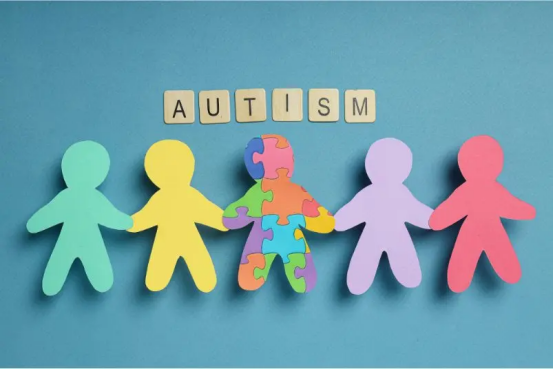
Why Adults on the Autism Spectrum Are Often Overlooked
The transition from childhood to adulthood for individuals on the autism spectrum is frequently marked by a significant decline in systemic support. While pediatric care and school-based interventions are well-established, the adult experience is often characterized by a lack of diagnostic recognition and limited social infrastructure. This phenomenon stems from several deep-seated societal misconceptions regarding neurodivergence.
The Myth of “Outgrowing” Autism
A primary driver for the invisibility of autistic adults is the persistent, albeit incorrect, belief that autism is a childhood condition that individuals eventually outgrow. This medical misconception leads to:
- Diagnostic Gaps: Many adults who were not diagnosed in childhood remain without formal recognition, preventing them from accessing essential disability services.
- Masking Penalties: High-functioning individuals often employ “masking”—the conscious or unconscious suppression of autistic traits—to fit into neurotypical environments, which leads to severe burnout and mental health struggles.

The Psychological Impact of Delayed Diagnosis
For many, the realization of being on the spectrum occurs well into adulthood. This late-stage discovery often triggers a complex psychological process of re-evaluating one’s entire life history through the lens of neurodivergence. Understanding this impact is crucial for developing healthy coping mechanisms.
The Process of Re-identification
Late diagnosis acts as a double-edged sword. While it provides a framework for understanding past social difficulties, it can also lead to significant grief over lost time or missed opportunities for support. Professionals emphasize that this phase requires intentional self-compassion:
- Validation of Struggle: Re-framing past social “failures” as challenges inherent to a neurodivergent brain navigating a neurotypical world.
- Identity Reconstruction: Moving from a narrative of “being broken” to one of “being neurodivergent,” which empowers individuals to seek tailored accommodations.

Strategies for Adaptation and Informed Life Choices
Adaptation in adulthood is not about forcing oneself to conform to neurotypical standards, but rather about optimizing one’s environment to suit individual sensory and cognitive needs. This requires a proactive approach to personal agency and decision-making.
Practical Frameworks for Daily Living
Individuals can enhance their quality of life by implementing structured strategies that prioritize energy management and sensory regulation:
| Area of Focus | Adaptive Strategy |
|---|---|
| Workplace | Requesting specific accommodations like noise-canceling tools or written instructions. |
| Social Life | Setting firm boundaries on social interaction duration to prevent sensory overload. |
| Health | Seeking providers specifically trained in neurodivergent-affirming care. |

Building a Support Ecosystem
Isolation is a significant risk for autistic adults. Creating a sustainable support ecosystem involves both personal advocacy and community engagement. By identifying the right resources, adults can shift from a state of reactive survival to proactive thriving.
The Role of Community and Self-Advocacy
Self-advocacy is the cornerstone of adult adaptation. It involves clearly communicating needs to employers, partners, and healthcare providers. Building a network of peers who share similar experiences can also provide the emotional validation often lacking in clinical settings.
Frequently Asked Questions (FAQ)
- Q1: Why is it harder to get an autism diagnosis as an adult?
- Clinical diagnostic tools are historically designed for children. Many clinicians lack training in recognizing the nuanced, internal experiences of autistic adults, such as masking and internalized sensory processing differences.
- Q2: What is “masking” and why is it dangerous?
- Masking is the act of hiding autistic traits to blend into neurotypical social situations. Long-term masking is linked to chronic fatigue, depression, and severe anxiety because it requires constant cognitive effort.
- Q3: Should I disclose my autism diagnosis at work?
- Disclosure is a personal choice. It is advisable to weigh the potential for legal protections and workplace accommodations against the risk of unconscious bias. If you disclose, document your specific needs in writing.
- Q4: How can I find support if I am newly diagnosed?
- Look for local or online neurodivergent-led support groups. These spaces often provide better practical advice and emotional support than traditional, non-specialized therapy groups.