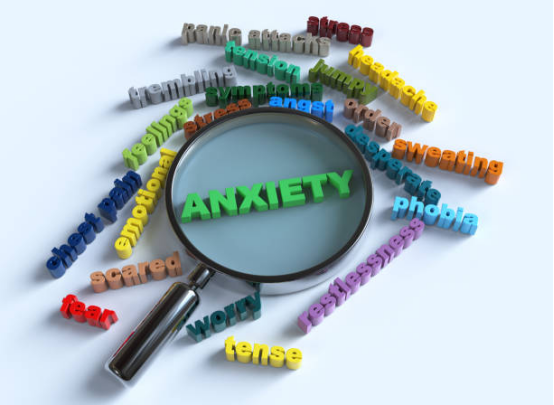
How to Recognize and Deal With Anxiety Symptoms
Recognizing anxiety is the critical first step toward recovery. Anxiety is not merely a temporary state of worry; it is a complex physiological and psychological response that can manifest in various ways depending on the individual. By understanding these signals, you can move from a state of reactive distress to one of proactive management.
Physical Manifestations of Anxiety
The body often sounds the alarm before the mind fully acknowledges the stressor. Physical symptoms are frequently mistaken for other medical conditions, leading to unnecessary health anxiety. Key physical identifiers include:
- Cardiovascular Responses: A rapid heartbeat, palpitations, or a feeling of chest tightness are common indicators of an acute anxiety spike.
- Gastrointestinal Distress: The gut-brain axis means that high anxiety often leads to nausea, digestive issues, or a feeling of “knots” in the stomach.
- Muscular Tension: Chronic anxiety manifests as persistent jaw clenching, neck stiffness, or shoulder tension that does not resolve with rest.
Cognitive and Behavioral Red Flags
Beyond physical sensations, anxiety alters the way we process information and interact with our environment. Recognizing these patterns allows for earlier intervention.
- Persistent Overthinking: Engaging in “catastrophizing,” where the mind automatically jumps to the worst-case scenario.
- Avoidance Behaviors: Intentionally skipping social events, professional obligations, or specific locations to prevent feelings of discomfort.
- Sleep Disruption: Difficulty falling asleep due to a racing mind or waking up frequently during the night with feelings of impending dread.

What Exactly Is Anxiety
Anxiety is fundamentally a natural survival mechanism. It is the body’s way of preparing to fight or flee from a perceived threat. In modern society, however, these “threats” are often psychological or abstract, leading to a state of chronic activation that serves no evolutionary purpose and instead erodes quality of life.
The Biological Mechanism
When the amygdala—the brain’s emotional processing center—detects a threat, it triggers the hypothalamus to release a cascade of stress hormones, primarily cortisol and adrenaline. While this is helpful when facing a physical predator, it becomes maladaptive when triggered by daily stressors like emails or social interactions.
Distinguishing Normal Worry from Anxiety Disorders
It is vital to distinguish between situational stress and clinical anxiety. The following table outlines the key differences:
| Feature | Normal Worry | Anxiety Disorder |
|---|---|---|
| Duration | Temporary, linked to an event | Persistent, often lasting 6+ months |
| Intensity | Manageable and proportionate | Overwhelming and disruptive |
| Impact | Does not hinder daily life | Prevents normal functioning |
Advanced Management and Recovery Strategies
Managing anxiety is not about eliminating it entirely—as it is a part of the human experience—but about reducing its intensity and duration. A multi-modal approach is the most effective method for long-term stability.
Cognitive Restructuring Techniques
Cognitive Behavioral Therapy (CBT) principles suggest that by identifying distorted thought patterns, we can change our emotional response. This involves challenging the evidence of your fears: Is this fear based on fact, or is it a projection of anxiety?
Lifestyle Interventions for Nervous System Regulation
- Regulated Breathing: Practices like box breathing help manually override the sympathetic nervous system, signaling to the body that it is safe.
- Physical Activity: Aerobic exercise helps metabolize the excess adrenaline produced during anxiety spikes.
- Mindfulness and Grounding: Using the 5-4-3-2-1 technique (identifying 5 things you see, 4 you feel, etc.) pulls the brain out of the future and back into the physical present.
Frequently Asked Questions (FAQ)
- Q1: Can anxiety be cured permanently?
- Anxiety is a natural human emotion. Rather than a “cure,” the goal is to develop the tools to manage it so that it no longer interferes with your daily life or causes distress.
- Q2: When should I seek professional help for anxiety?
- If your symptoms are preventing you from working, socializing, or sleeping, or if you feel that your coping mechanisms are no longer effective, it is time to consult a mental health professional.
- Q3: How does diet impact anxiety levels?
- High caffeine and sugar intake can mimic or exacerbate the physical symptoms of anxiety, such as increased heart rate and jitters. A balanced diet supports overall nervous system health.
- Q4: Is it normal to feel anxious without a specific reason?
- Yes. Generalized Anxiety Disorder (GAD) often involves feeling anxious about a wide range of situations or sometimes having a persistent sense of dread without a clearly identifiable trigger.