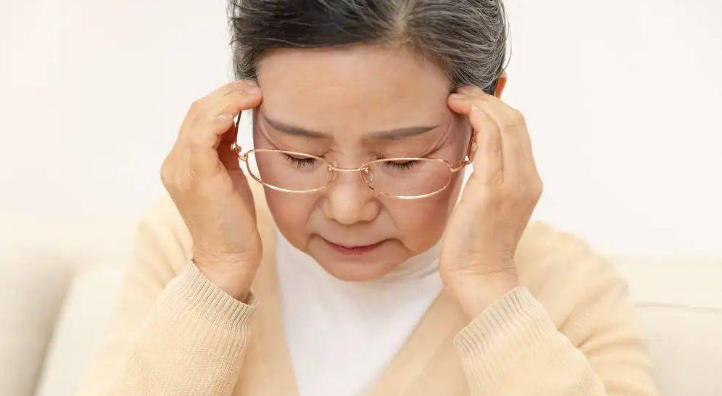
Headaches and dizziness are two of the most common ailments that can significantly disrupt daily life. While often experienced separately, they frequently appear together, signaling a deeper underlying imbalance. Many people dismiss these symptoms as minor annoyances, but they can be indicators of everything from stress and dehydration to more complex health issues. Understanding the root cause is the first step toward finding effective and lasting relief. This guide provides a comprehensive exploration of headaches and dizziness, examining their causes through the lenses of both modern medicine and Traditional Chinese Medicine (TCM) to offer a holistic path toward management and well-being.
Whether you’re battling persistent tension headaches, dizziness that seems to come from nowhere, or pain that fluctuates with the weather, this pillar page will equip you with the knowledge to decode your body’s signals. We will dissect the different types of dizziness and headaches, explore their interconnected nature, and detail powerful, natural strategies—from acupuncture to lifestyle adjustments—that can help you regain your balance and live a life free from pain and instability.
Understanding the Spectrum of Dizziness
Dizziness is not a single sensation but a term used to describe a range of feelings, from feeling faint and lightheaded to a false sense that you or your surroundings are spinning. Pinpointing the exact nature of the sensation is crucial for diagnosis. From a Western medical standpoint, these feelings are often categorized to identify the underlying physiological cause, while TCM looks at these same symptoms as manifestations of systemic imbalances within the body’s energy systems.
Defining the Types of Dizziness
To properly address dizziness, it’s important to distinguish between the primary types, as they point to different origins:
- Vertigo: This is a distinct spinning sensation. You might feel as if you are moving when you are still, or that the world is spinning around you. It is often associated with problems in the inner ear or the brain.
- Disequilibrium: This refers to a loss of balance or unsteadiness while walking. It creates a feeling of being about to fall without the rotational sensation of vertigo.
- Presyncope: Commonly known as lightheadedness, this is the feeling that you are about to faint or pass out. It’s often accompanied by blurred vision or muffled hearing.
- Lightheadedness: This is a more vague sensation where you might feel “spaced out” or disconnected from your environment, but without the feeling of impending fainting.
Common Western Medical Causes of Dizziness
Modern medicine attributes dizziness to a wide array of conditions, often related to the vestibular system (inner ear), cardiovascular system, or neurological system.
- Inner Ear Problems: Benign Paroxysmal Positional Vertigo (BPPV), Meniere’s disease, and vestibular neuritis are common culprits. These conditions disrupt the signals your inner ear sends to your brain about motion and position.
- Circulatory Issues: A sudden drop in blood pressure (orthostatic hypotension), poor circulation, or heart conditions can reduce blood flow to the brain, causing presyncope or lightheadedness.
- Neurological Conditions: Conditions like Parkinson’s disease or multiple sclerosis can affect the central nervous system’s ability to maintain balance.
- Other Factors: Dehydration, anxiety, anemia (low iron), low blood sugar (hypoglycemia), and side effects from medications can also trigger episodes of dizziness.
A Traditional Chinese Medicine View on Dizziness
TCM views dizziness not as an isolated issue but as a symptom of a deeper disharmony. The primary patterns leading to dizziness include:
- Phlegm Obstruction: In TCM, “Phlegm” is a pathogenic substance that can obstruct the flow of Qi (vital energy) and blood to the head, causing a heavy, muddled feeling of dizziness and brain fog.
- Qi and Blood Deficiency: When the body lacks sufficient Qi and Blood to nourish the brain, it can lead to lightheadedness, fatigue, a pale complexion, and palpitations. This is common after an illness or in individuals with poor digestion.
- Liver Yang Rising: Often linked to stress, anger, or frustration, this pattern involves an upward surge of energy to the head. It can cause vertigo, throbbing headaches, irritability, and a flushed face.

Decoding the Different Types of Headaches
Headaches are one of the most widespread health complaints, ranging from a dull, background ache to debilitating pain. While over-the-counter medication can provide temporary relief, understanding the type and trigger of your headache is key to preventing its recurrence. Two particularly common types are tension headaches and those influenced by environmental factors like the weather.
The Pervasive Tension Headache
Tension-type headaches are the most frequently experienced form of headache. They are often described as a constant, dull ache or pressure on both sides of the head, sometimes feeling like a tight band is wrapped around it. The pain can also radiate to the neck and shoulders.
- Primary Causes: The most significant trigger for tension headaches is stress. Emotional or physical stress leads to involuntary tightening of the muscles in the neck, scalp, and jaw.
- Contributing Factors: Poor posture, especially from prolonged screen time (“tech neck”), eyestrain, fatigue, and jaw clenching (bruxism) are also major contributors.
When the Weather Triggers Pain: Barometric Pressure Headaches
Many individuals find their headaches are triggered by changes in the weather. This is often linked to shifts in barometric pressure—the weight of the air in the atmosphere. When a storm system approaches, the barometric pressure drops, creating a pressure difference between the outside air and the air trapped in the sinuses and inner ear. This can irritate nerves and trigger a headache, which often presents as sinus pain, pressure, and a general headache.
TCM Patterns of Headaches
In TCM, the location and nature of headache pain provide vital clues to its root cause. Headaches are broadly categorized by external pathogens or internal imbalances.
- Wind Invasion: This describes an external pathogen attacking the body. Wind-Cold may cause a tight, occipital (back of the head) headache, while Wind-Heat can cause a throbbing headache with fever and a sore throat.
- Liver Yang Rising: As with dizziness, this pattern often causes throbbing, distending pain on the temples or sides of the head. It is closely tied to stress and emotional imbalance.
- Qi Stagnation: This leads to a distending headache that moves around. Frustration and stress are primary triggers, as they block the smooth flow of Qi.
- Blood Deficiency: A dull, lingering headache that feels better with rest is often a sign of Blood Deficiency. It may be accompanied by dizziness, fatigue, and pale skin.

The Interconnectedness of Headaches and Dizziness
The frequent co-occurrence of headaches and dizziness is no coincidence. Many underlying mechanisms, both physiological and energetic, affect the head and neck, leading to both symptoms simultaneously. Understanding this link is critical for effective, holistic treatment that addresses the root cause rather than just managing separate symptoms.
Cervicogenic Dizziness: When Neck Issues Cause Both
One of the most direct links between head pain and balance issues is the neck. Cervicogenic dizziness is a condition where vertigo or unsteadiness is caused by neck problems, such as injury or chronic tension. The tight muscles and misaligned vertebrae in the neck can disrupt nerve signals from the neck to the brain’s vestibular nucleus, which processes balance information. This same neck tension is a primary driver of cervicogenic headaches, which start in the neck and radiate to the head. Therefore, addressing poor posture and muscle tightness in the neck can often resolve both the headache and the dizziness.
Shared TCM Patterns: Liver Yang Rising as a Common Culprit
From a TCM perspective, several patterns can manifest as both headaches and dizziness. The most prominent is Liver Yang Rising. When the body’s cooling, grounding Yin energy is depleted, the fiery, upward-moving Yang energy of the Liver can rush to the head. This “windy” energy disrupts clarity and balance, causing the spinning sensation of vertigo, while its intensity creates the throbbing, distending pain of a headache, typically at the temples. This pattern highlights how emotional stress (which affects the Liver in TCM) can produce profound physical symptoms.
How Blood and Qi Deficiency Manifest as Both Symptoms
The brain requires a constant, rich supply of nourishment, which in TCM is understood as Qi and Blood. When the body is deficient in these vital substances, the brain is undernourished. This can lead to a dull, empty-feeling headache and a sense of lightheadedness or dizziness that worsens with exertion. This pattern is common in individuals who are overworked, have poor dietary habits, or are recovering from a long illness. The treatment focuses on nourishing the body to rebuild its foundational resources, thereby alleviating both symptoms at their source.

Holistic & Natural Management Strategies
Effective management of headaches and dizziness often requires a multi-faceted approach that goes beyond temporary fixes. By integrating time-tested natural therapies with conscious lifestyle adjustments, it’s possible to address the root imbalances and significantly reduce the frequency and severity of symptoms.
The Role of Acupuncture in Restoring Balance
Acupuncture is a cornerstone of TCM and is highly effective for both headaches and dizziness. By inserting fine needles into specific points on the body, an acupuncturist can regulate the flow of Qi and Blood, calm rising Liver Yang, resolve Phlegm, and nourish deficiencies. For tension headaches, acupuncture can release muscle tightness in the neck and shoulders. For dizziness, it can help regulate the vestibular system and improve blood flow to the brain, restoring a sense of stability.
Herbal Medicine for Targeted Relief
Chinese herbal medicine offers sophisticated formulas tailored to an individual’s specific TCM diagnosis. For example:
- A formula with Tian Ma (Gastrodia) might be used to subdue Liver Yang and extinguish internal wind, addressing vertigo and migraines.
- Formulas containing Dang Gui (Angelica Sinensis) and Shu Di Huang (Rehmannia) are used to nourish the blood, treating dull headaches and lightheadedness associated with deficiency.
- Herbs that transform Phlegm can be used for dizziness characterized by a heavy, foggy sensation.
Lifestyle and Dietary Adjustments for Long-Term Prevention
Simple changes can have a profound impact on managing these conditions:
- Stay Hydrated: Dehydration is a common trigger for both headaches and dizziness. Ensure you are drinking adequate water throughout the day.
- Manage Stress: Since stress is a primary driver of tension headaches and Liver Yang Rising, incorporating practices like meditation, deep breathing exercises, or gentle yoga is crucial.
- Dietary Considerations: Avoid foods known to trigger inflammation or headaches, such as excessive sugar, caffeine, alcohol, and processed foods. Focus on a whole-foods diet rich in magnesium (found in leafy greens and nuts) and anti-inflammatory omega-3s.
Ergonomics and Posture Correction
For those suffering from tension headaches and cervicogenic dizziness, correcting posture is non-negotiable. Ensure your workstation is ergonomically set up to keep your spine in a neutral position. Take regular breaks to stretch your neck and shoulders, and consider exercises that strengthen your core and upper back muscles to provide better support for your head.

When to Seek Professional Medical Attention
While most instances of headache and dizziness can be managed with lifestyle changes and holistic therapies, some symptoms can indicate a serious, underlying medical condition that requires immediate attention. It is vital to recognize these “red flag” signs and consult a doctor or visit an emergency room without delay.
Red Flag Symptoms for Dizziness
Occasional, mild lightheadedness is usually not a cause for alarm. However, you should seek immediate medical care if your dizziness is:
- Sudden and severe, especially if you have no prior history of dizziness.
- Accompanied by other neurological symptoms like double vision, numbness or weakness in the face or limbs, difficulty speaking, or loss of coordination.
- Associated with a severe headache, chest pain, shortness of breath, a rapid or irregular heartbeat, or fainting.
- The result of a head injury.
These symptoms could signal a stroke, heart attack, or other serious neurological event that requires urgent intervention.
Warning Signs Associated with Headaches
Most headaches are benign, but certain characteristics warrant a prompt medical evaluation. Consult a doctor immediately if you experience:
- A “thunderclap” headache—a sudden, excruciatingly severe headache that peaks within seconds.
- A headache that is accompanied by fever, stiff neck, confusion, seizures, or a rash. These could be signs of meningitis or encephalitis.
- A headache that develops after a head injury, even a minor one.
- A chronic headache that worsens with coughing, straining, or sudden movement.
- A new type of headache that begins after the age of 50.
Trust your instincts. If a headache or dizzy spell feels fundamentally different or more severe than anything you’ve experienced before, it is always best to err on the side of caution and seek a professional medical opinion.

Frequently Asked Questions (FAQ)
- Q1: Can stress alone cause both headaches and dizziness?
- Absolutely. From a Western perspective, high stress levels cause muscle tension in the neck and shoulders, leading to tension headaches and cervicogenic dizziness. It can also trigger anxiety, which may cause hyperventilation and lightheadedness. In Traditional Chinese Medicine, chronic stress disrupts the free flow of Liver Qi, leading to a condition called Liver Yang Rising. This upward-surging energy can cause both throbbing headaches at the temples and the spinning sensation of vertigo, making stress a powerful common denominator for both symptoms.
- Q2: What are some simple exercises to relieve tension headaches?
- Simple neck stretches can provide significant relief. Try a “chin tuck,” where you gently pull your chin back as if making a double chin, holding for 5 seconds to stretch the muscles at the back of the neck. Another is the “ear-to-shoulder” stretch: gently tilt your head to one side, trying to bring your ear toward your shoulder until you feel a stretch in the opposite side of your neck. Hold for 20-30 seconds and repeat on the other side. These exercises help alleviate the muscle tension that is a primary cause of these headaches.
- Q3: How does TCM diagnose the root cause of dizziness?
- A TCM practitioner conducts a thorough diagnosis that includes asking detailed questions about the nature of the dizziness (spinning vs. lightheaded), accompanying symptoms (like tinnitus or fatigue), and emotional state. They will also observe your tongue and feel your pulse. These diagnostic tools help differentiate between patterns. For example, a greasy tongue coating might point to Phlegm, while a pale tongue and a weak pulse would suggest Qi and Blood Deficiency. The diagnosis is highly individualized to treat the specific imbalance causing the dizziness.
- Q4: Are weather-related headaches real, and how can I manage them?
- Yes, they are very real. Barometric pressure headaches are caused by changes in atmospheric pressure, which can affect the pressure within your sinuses and inner ears. To manage them, you can track weather forecasts to anticipate potential triggers. On high-risk days, ensure you are well-hydrated, avoid other known triggers like alcohol or strong smells, and consider gentle sinus rinses. From a TCM perspective, these headaches are often related to an external “Wind” invasion, so keeping your neck and head covered and warm on windy, damp days can also be a helpful preventative measure.
- Q5: What dietary changes can help reduce the frequency of these symptoms?
- Diet plays a crucial role. To reduce inflammation and potential triggers, focus on a diet of whole, unprocessed foods. Incorporate foods rich in magnesium, such as spinach, almonds, and avocados, as magnesium helps relax muscles and blood vessels. Omega-3 fatty acids, found in fatty fish like salmon, can also reduce inflammation. From a TCM standpoint, if you suffer from dizziness due to Phlegm, it’s wise to avoid greasy, sugary, and dairy products. If you have a deficiency pattern, focus on nourishing, blood-building foods like lean meats, dark leafy greens, and beets.