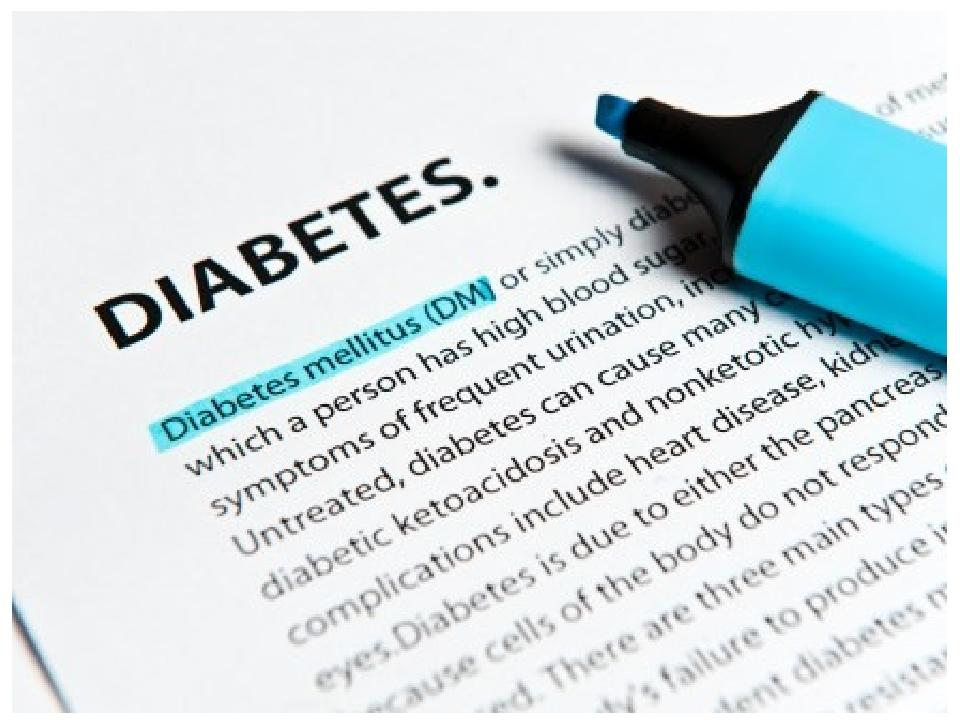
Understanding the Pathophysiology of Diabetes
Diabetes mellitus is a chronic metabolic disorder characterized by elevated levels of blood glucose, or hyperglycemia. This condition arises when the pancreas does not produce enough insulin or when the body cannot effectively utilize the insulin it produces. Understanding the distinction between Type 1 and Type 2 diabetes is the first step in effective management.
The Role of Insulin in Glucose Metabolism
Insulin acts as a key, unlocking cells to allow glucose to enter from the bloodstream. Without sufficient insulin activity, glucose remains trapped in the blood, leading to systemic complications over time.

Clinical Management and Lifestyle Strategies
Effective management requires a multi-faceted approach, balancing pharmacological intervention with strict lifestyle adherence. Monitoring blood glucose levels regularly is the cornerstone of preventing long-term damage to nerves and blood vessels.
Core Pillars of Diabetes Care
- Consistent blood glucose monitoring using glucometers or CGM systems.
- Nutritional planning focusing on low-glycemic index foods.
- Regular physical activity to improve insulin sensitivity.
- Adherence to prescribed medication or insulin therapy.
| Management Area | Key Focus |
|---|---|
| Dietary Control | Carbohydrate counting and fiber intake. |
| Physical Activity | 150 minutes of moderate aerobic exercise weekly. |
| Monitoring | Daily logs and HbA1c testing every 3-6 months. |
Pro Tips for Long-Term Success
Living with diabetes is a marathon, not a sprint. The most successful patients are those who treat their condition as a data-driven project. Always keep a log of how specific foods impact your readings, and never hesitate to adjust your routine under the guidance of your endocrinologist. Stress management is also critical, as cortisol levels can directly influence blood sugar spikes.
Frequently Asked Questions (FAQ)
- What is the target HbA1c level for most adults?
- For most non-pregnant adults with diabetes, an HbA1c goal of less than 7% is generally recommended, though this should be individualized based on age and health history.
- Can diabetes be reversed?
- While Type 1 diabetes cannot be reversed, many individuals with Type 2 diabetes can achieve remission through significant weight loss and dietary changes, though medical supervision is mandatory.
- How often should I check my blood sugar?
- Frequency depends on your treatment plan. Those on insulin may need to check multiple times a day, while others may require less frequent testing.
- What are the early warning signs of hyperglycemia?
- Symptoms include excessive thirst, frequent urination, unexplained fatigue, and blurred vision.