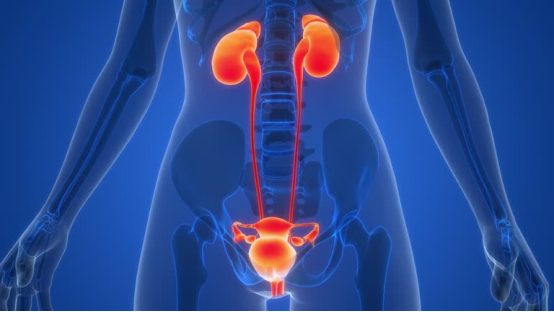
The urinary system, often underestimated, is a marvel of biological engineering, serving as the body’s sophisticated filtration and waste disposal plant. Far more than just producing urine, this vital system meticulously regulates blood volume, pressure, pH, and electrolyte levels, ensuring the internal environment remains stable for all other organ systems to function optimally. Without its constant vigilance, toxins would accumulate, and critical balances would be thrown into disarray, leading to severe health consequences. This ultimate guide will take you on a deep dive into the anatomy, physiology, and crucial homeostatic roles of the urinary system, empowering you with knowledge to understand and protect this essential bodily function.
Understanding the Urinary System: Organs and Functions
The urinary system is composed of several key organs that work in concert to achieve its complex functions. Each component plays a specific and indispensable role in the journey from blood filtration to waste excretion. Understanding the structure and function of these organs is fundamental to grasping the system’s overall importance.
The Kidneys: Master Filters of the Body
The kidneys are the primary organs of the urinary system, two bean-shaped structures nestled on either side of the spine, just below the rib cage. Their principal function is to filter waste products and excess substances from the blood, producing urine. Each kidney contains over a million tiny filtering units called nephrons. The “why” behind their intricate structure lies in the need for an enormous surface area for efficient filtration and selective reabsorption. Within each nephron, the glomerulus acts as a high-pressure filter, pushing fluid and small solutes out of the blood. This filtrate then passes through a complex network of renal tubules (proximal convoluted tubule, loop of Henle, distal convoluted tubule, and collecting duct), where vital substances like water, glucose, and essential salts are reabsorbed back into the bloodstream, and additional waste products are actively secreted into the urine. This precise regulation ensures that the body retains what it needs and eliminates what it doesn’t.
Ureters, Bladder, and Urethra: The Excretory Pathway
Once formed in the kidneys, urine embarks on a journey through the rest of the urinary tract. The ureters are muscular tubes, approximately 25-30 cm long, that transport urine from the kidneys to the bladder. They achieve this through peristaltic contractions, rhythmically squeezing urine downwards, preventing backflow and ensuring a continuous, one-way flow. The bladder is a hollow, muscular organ located in the pelvis, designed for temporary storage of urine. Its highly elastic walls can expand significantly to hold up to 500-700 ml of urine, signaling the brain when it’s full. This storage capacity is crucial for maintaining social continence. Finally, the urethra is a tube that carries urine from the bladder out of the body. In males, it is much longer and also serves as a passageway for semen, while in females, it is shorter and dedicated solely to urine excretion. The “why” of this pathway is to allow for controlled and hygienic elimination of waste products, protecting the body from potential infections and fluid imbalances.

The Complex Process of Urine Formation
Urine formation is a multi-step, highly regulated process that occurs within the nephrons of the kidneys. It involves three main stages: glomerular filtration, tubular reabsorption, and tubular secretion. Each stage is critical for producing urine that effectively removes waste while conserving essential nutrients and water.
Glomerular Filtration: The Initial Blood Cleansing
The first step in urine formation is glomerular filtration, which takes place in the renal corpuscle (composed of the glomerulus and Bowman’s capsule). Blood enters the glomerulus under high pressure, forcing water and small solutes (like glucose, amino acids, ions, urea, and creatinine) out of the capillaries and into Bowman’s capsule, forming the glomerular filtrate. Larger molecules, such as proteins and blood cells, are typically retained in the blood. The “why” for this high-pressure system is to efficiently create a large volume of raw filtrate, allowing the subsequent stages to meticulously sort and refine it. The intricate structure of the glomerular capillaries and the filtration membrane (fenestrated endothelium, basement membrane, and podocytes) ensures selective permeability, preventing the loss of vital blood components while allowing waste to pass through.
Tubular Reabsorption and Secretion: Refining the Filtrate
After filtration, the glomerular filtrate flows into the renal tubules, where its composition is drastically altered through reabsorption and secretion. Tubular reabsorption is the process by which useful substances (water, glucose, amino acids, essential ions) are retrieved from the filtrate and returned to the blood. This occurs primarily in the proximal convoluted tubule, loop of Henle, and distal convoluted tubule, driven by active transport and osmosis. For instance, nearly all glucose and amino acids are reabsorbed in the proximal tubule. Tubular secretion, conversely, involves the active transport of additional waste products (e.g., hydrogen ions, potassium ions, certain drugs, ammonia) from the blood into the filtrate, further enriching the urine with substances destined for excretion. The “why” behind these processes is to fine-tune the body’s chemical balance, conserve vital resources that were initially filtered out, and eliminate substances that were not effectively removed by filtration alone.
Regulation of Fluid and Electrolyte Balance
The urinary system plays a pivotal role in maintaining the body’s fluid and electrolyte balance, a process largely controlled by hormones. Antidiuretic hormone (ADH), released by the posterior pituitary, increases water reabsorption in the collecting ducts, concentrating the urine and preventing dehydration. Aldosterone, a hormone from the adrenal cortex, promotes sodium reabsorption (and thus water reabsorption) and potassium secretion in the distal tubules. The renin-angiotensin-aldosterone system (RAAS) is a complex hormonal cascade that regulates blood pressure and fluid balance by influencing sodium and water reabsorption. These regulatory mechanisms are essential for ensuring that the body’s internal environment remains within a narrow, life-sustaining range, adapting to variations in fluid intake and loss.
Beyond Waste: The Urinary System’s Role in Homeostasis
While waste removal is its most recognized function, the urinary system contributes significantly to overall homeostasis, influencing various physiological processes far beyond simple excretion.
Blood Pressure Regulation and Erythropoiesis
The kidneys are crucial regulators of blood pressure. They produce renin, an enzyme that initiates the renin-angiotensin-aldosterone system (RAAS), which in turn leads to vasoconstriction and increased blood volume, thereby elevating blood pressure. This system is a critical compensatory mechanism in response to low blood pressure or low blood volume. Furthermore, the kidneys produce erythropoietin (EPO), a hormone that stimulates the bone marrow to produce red blood cells. In cases of chronic kidney disease, insufficient EPO production can lead to anemia, highlighting the kidney’s broader systemic impact.
Maintaining Acid-Base Balance
The urinary system, particularly the kidneys, is a vital component in maintaining the body’s acid-base balance. They regulate the pH of the blood by selectively reabsorbing bicarbonate ions (a major buffer) and secreting hydrogen ions into the urine. If the blood becomes too acidic, the kidneys excrete more hydrogen ions and reabsorb more bicarbonate; if it becomes too alkaline, they do the opposite. This precise control prevents life-threatening conditions like acidosis or alkalosis, demonstrating the kidneys’ role as sophisticated chemical regulators.
Common Urinary System Conditions and Prevention
Understanding common conditions affecting the urinary system is key to maintaining its health. Many issues can be prevented or managed with proper knowledge and lifestyle choices.
Urinary Tract Infections (UTIs)
Urinary Tract Infections (UTIs) are among the most common urinary system ailments, predominantly affecting women due to their shorter urethras. UTIs occur when bacteria, typically from the gastrointestinal tract, enter the urethra and ascend to the bladder, and sometimes even the kidneys. Symptoms often include frequent, painful urination, a burning sensation, cloudy or strong-smelling urine, and pelvic pain. The “pitfalls” of untreated UTIs include kidney infections (pyelonephritis), which can lead to severe complications. Prevention involves adequate hydration, proper hygiene (wiping front to back), urinating after intercourse, and avoiding irritating feminine products.
Kidney Stones and Chronic Kidney Disease
Kidney stones are hard deposits made of minerals and salts that form inside the kidneys. They can cause excruciating pain when they pass through the urinary tract. Risk factors include dehydration, certain diets, obesity, and some medical conditions. Chronic Kidney Disease (CKD) is a progressive loss of kidney function over time, often caused by diabetes, high blood pressure, and other conditions. Its insidious progression means symptoms may not appear until the disease is advanced. Early detection and management of underlying causes are crucial to slow its progression and prevent kidney failure.
Pro Tips for Optimal Urinary Health
- Stay Hydrated: Drink plenty of water throughout the day to help flush out bacteria and prevent stone formation.
- Limit Sodium and Processed Foods: High sodium intake can increase calcium in urine, a risk factor for kidney stones.
- Maintain a Healthy Weight: Obesity is linked to higher risks of kidney disease and kidney stones.
- Practice Good Hygiene: Especially for women, proper wiping techniques and urinating after sexual activity can prevent UTIs.
- Don’t Hold It: Urinate when you feel the urge to prevent bacterial growth in the bladder.
- Manage Chronic Conditions: Effectively control diabetes and high blood pressure, as they are leading causes of kidney disease.
- Avoid Smoking: Smoking is a significant risk factor for various kidney diseases and bladder cancer.
- Limit NSAID Use: Overuse of non-steroidal anti-inflammatory drugs can damage kidneys over time.
Nephron Component Functions Comparison
| Nephron Component | Primary Function | Key Substances Processed |
|---|---|---|
| Glomerulus | Initial blood filtration | Water, ions, glucose, amino acids, urea (filtrate) |
| Bowman’s Capsule | Collects filtrate from glomerulus | Glomerular filtrate |
| Proximal Convoluted Tubule | Bulk reabsorption of water, nutrients, ions | Glucose, amino acids, Na+, Cl-, K+, HCO3-, water |
| Loop of Henle (Descending) | Water reabsorption (permeable to water) | Water |
| Loop of Henle (Ascending) | Ion reabsorption (impermeable to water) | Na+, Cl-, K+ |
| Distal Convoluted Tubule | Fine-tuning of ion and water reabsorption/secretion | Na+, Cl-, K+, H+, HCO3-, water (hormonally regulated) |
| Collecting Duct | Final water reabsorption, urea reabsorption, ion secretion | Water, urea, Na+, K+, H+ (hormonally regulated) |
Frequently Asked Questions (FAQ)
- What is the primary function of the urinary system?
- The primary function of the urinary system is to filter blood, remove waste products and excess water from the body in the form of urine, and maintain the body’s fluid, electrolyte, and acid-base balance. It also plays a role in blood pressure regulation and red blood cell production.
- How do the kidneys contribute to blood pressure regulation?
- The kidneys regulate blood pressure mainly through the renin-angiotensin-aldosterone system (RAAS). When blood pressure drops, the kidneys release renin, which triggers a cascade leading to the production of angiotensin II (a potent vasoconstrictor) and aldosterone (which increases sodium and water reabsorption), both of which help to raise blood pressure.
- What are the common signs of a urinary tract infection (UTI)?
- Common signs of a UTI include frequent and urgent need to urinate, a burning sensation during urination, cloudy or strong-smelling urine, pelvic pain (especially in women), and sometimes fever or lower back pain. If you experience these symptoms, it’s important to seek medical attention.
- Can diet affect urinary system health?
- Absolutely. A diet high in sodium, processed foods, and animal protein can increase the risk of kidney stones and contribute to high blood pressure, which negatively impacts kidney health. Conversely, a diet rich in fruits, vegetables, and adequate hydration supports optimal urinary function and helps prevent stone formation.
- What is the role of the nephron in the kidney?
- The nephron is the microscopic functional unit of the kidney, responsible for filtering blood and forming urine. Each kidney contains millions of nephrons, which perform three main processes: glomerular filtration (initial filtering), tubular reabsorption (reclaiming useful substances), and tubular secretion (adding further wastes to the urine).