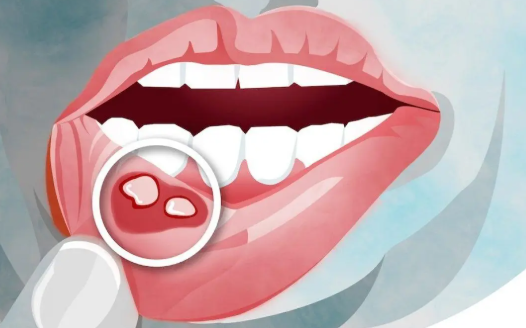
Recurring mouth ulcers, medically known as recurrent aphthous stomatitis (RAS), affect a significant portion of the population. While often dismissed as minor annoyances, these painful lesions can severely impact quality of life, speech, and nutrition. This guide dissects the root causes and provides a strategic framework for prevention.
Understanding the Root Causes of Aphthous Ulcers
Mouth ulcers are not merely surface-level sores; they are often manifestations of systemic imbalances or localized trauma. Understanding the ‘why’ is the first step toward effective mitigation.
Common Triggers and Risk Factors
- Nutritional Deficiencies: Low levels of Vitamin B12, folate, iron, and zinc are frequently linked to chronic outbreaks.
- Mechanical Trauma: Accidental biting, sharp tooth edges, or overly vigorous brushing can trigger a lesion in susceptible individuals.
- Stress and Fatigue: Psychological stress alters immune responses, making the oral mucosa more vulnerable to inflammation.
- Chemical Sensitivities: Sodium Lauryl Sulfate (SLS), a common foaming agent in toothpaste, is a known irritant for many.

Strategic Lifestyle Changes for Ulcer Prevention
Preventing recurrence requires a multi-faceted approach that addresses both environmental and biological factors. Consistency is the key to maintaining oral mucosal integrity.
Pro-Tips for Daily Management
- Switch to SLS-Free Toothpaste
- Many commercial toothpastes contain foaming agents that irritate the delicate tissues of the mouth. Switching to a gentle, SLS-free formula often results in an immediate reduction in ulcer frequency.
- Prioritize Nutrient Density
- Incorporate more leafy greens, lean proteins, and iron-rich foods into your diet to ensure your immune system has the building blocks required for rapid tissue repair.
Prevention Comparison Table
| Strategy | Impact Level | Primary Benefit |
|---|---|---|
| SLS-Free Toothpaste | High | Reduced mucosal irritation |
| Stress Management | Medium | Regulated immune response |
| Oral Hygiene Routine | High | Lowered bacterial load |
| Dietary Adjustments | Medium | Correction of deficiencies |

When to Seek Professional Medical Advice
While most mouth ulcers are benign, persistent or unusually large sores require professional evaluation to rule out underlying systemic conditions.
Red Flags for Consultation
You should consult a dentist or physician if you notice: sores that last longer than three weeks, ulcers that are spreading, difficulty swallowing, or if the ulcers are accompanied by a high fever or systemic malaise.
Frequently Asked Questions (FAQ)
- Are mouth ulcers contagious?
- No. Unlike cold sores (herpes simplex), recurrent aphthous ulcers are not caused by a virus and cannot be transmitted to others through kissing or sharing utensils.
- Can stress actually cause an ulcer?
- Yes, stress triggers a hormonal response that can weaken the local immune defenses in the mouth, allowing minor irritations to develop into full-blown ulcers.
- How long do these ulcers typically take to heal?
- Minor ulcers generally heal within 7 to 14 days without leaving scarring, provided the area is kept clean and free from further mechanical irritation.
- Is there a quick fix for the pain?
- Over-the-counter topical gels containing benzocaine or protective mucosal patches can provide temporary relief by creating a barrier over the nerve endings of the ulcer.