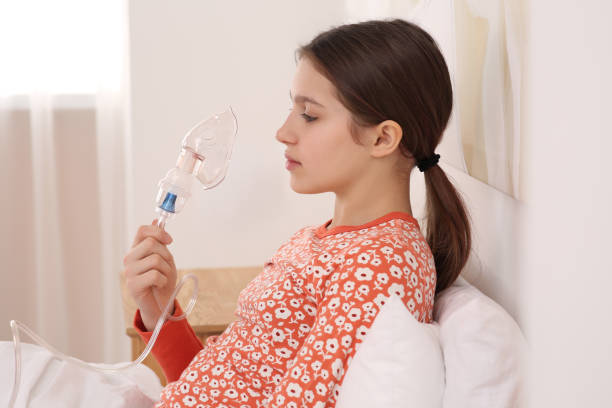
Respiratory health has entered a new era of convenience and efficacy. For decades, patients suffering from chronic conditions like COPD or acute illnesses like bronchitis were tethered to heavy, noisy compressor machines that restricted their movement and increased their anxiety. Today, the advent of portable mesh nebulizers and wearable technology has dismantled these barriers, providing a “fast pass” to effective treatment directly in the home medicine cabinet. This guide synthesizes expert medical advice and the latest technological advancements to help you navigate the world of modern nebulization.
The Evolution of Portable Nebulization Technology
The transition from traditional jet nebulizers to portable mesh units represents a significant leap in medical engineering. Traditional units rely on heavy compressors and long tubes, which are often intimidating for children and cumbersome for the elderly. In contrast, modern portable units utilize vibrating mesh technology, where liquid medication is pushed through thousands of microscopic laser-drilled holes to create a consistent, ultra-fine mist.
Understanding Vibrating Mesh Mechanisms
Vibrating mesh technology is the gold standard for portability. By using high-frequency vibrations, these devices ensure that the particle size of the aerosol is optimized for deep lung penetration. This is critical because if particles are too large, they settle in the throat; if they are too small, they are exhaled. The precision of mesh technology ensures that the medication reaches the lower respiratory tract, where it is needed most for conditions like asthma and COPD.
Silent Operation and Patient Compliance
One of the most overlooked benefits of modern portable devices is their near-silent operation. Traditional compressors produce a loud rhythmic humming that can cause “white coat hypertension” symptoms or distress in pediatric patients. Silent nebulization allows for treatment during sleep or while watching television, significantly increasing patient compliance—the degree to which a patient correctly follows medical advice.

Transforming Life Quality for COPD Patients
For those living with Chronic Obstructive Pulmonary Disease (COPD), breathing is a constant struggle that dictates the rhythm of daily life. A portable nebulizer is not just a tool; it is a gateway to independence. By allowing for rapid medication delivery outside the home, these devices reduce the fear of “air hunger” during travel or social outings.
Managing Exacerbations on the Go
COPD exacerbations can be triggered by sudden changes in weather, pollution, or physical exertion. Having a handheld nebulizer means that rescue medications like albuterol can be administered the moment symptoms appear. This immediate intervention can often prevent a minor flare-up from escalating into an emergency room visit. Doctors emphasize that the speed of delivery provided by mesh units is comparable to clinical-grade equipment, ensuring safety is never compromised for size.
The Psychological Impact of Portability
The “iron mask” stigma—the feeling of being a “patient” rather than a person—is a heavy psychological burden. Wearable and portable units are discreet. They allow patients to maintain their dignity and engage in activities like walking in the park or visiting family without the logistical nightmare of hunting for power outlets or carrying heavy bags. This boost in mental well-being is a crucial component of holistic COPD management.

Pediatric Respiratory Care: Farewell to the Iron Mask
Administering medicine to a crying child is a nightmare for parents and pediatricians alike. Traditional nebulizers often require the child to sit still for 15-20 minutes while wearing a bulky mask that emits a frightening noise. New wearable nebulizers have completely changed this dynamic, turning a stressful medical chore into a seamless part of the child’s routine.
Hands-Free and Wearable Innovations
The latest wearable models for children are designed to be lightweight and often resemble accessories rather than medical devices. They allow children to play, read, or even move around while receiving treatment. This “hands-free” capability means parents no longer have to physically restrain their children, which reduces the trauma associated with chronic respiratory care. Pediatricians recommend these devices because they eliminate the “crying effect,” where a child’s rapid, shallow breathing during a tantrum actually prevents the medication from reaching the lungs effectively.
Improving Medication Absorption in Children
When a child is calm, their breathing is deep and regular, which is the optimal state for aerosol absorption. Portable mesh nebulizers provide:
- Consistent Particle Size: Ensuring the mist is fine enough for small airways.
- Short Treatment Times: Often completing a dose in under 10 minutes.
- Angle Flexibility: Many mesh units can operate at various angles, allowing for treatment while the child is reclining or even sleeping.

Active Home Defense Against Seasonal Illness Spikes
Frontline doctors are increasingly recommending that a portable nebulizer be a standard item in every home medicine cabinet, alongside thermometers and bandages. During seasonal spikes of RSV, influenza, and the common cold, these devices serve as an active defense mechanism for the entire family.
Reducing the Burden on Healthcare Systems
When respiratory infections strike, the primary goal is to keep the airways open and hydrated. Using a nebulizer with saline solution or prescribed bronchodilators at the first sign of wheezing can manage symptoms at home. This proactive approach helps flatten the curve of hospital admissions during peak flu seasons. Doctors advocate for home nebulization as a “fast pass” that bypasses the long wait times of urgent care clinics for non-emergency respiratory distress.
Protecting Seniors from Complications
For seniors, a simple cold can quickly turn into pneumonia. Portable nebulizers are particularly beneficial for the elderly because they require less coordination than Metered Dose Inhalers (MDIs). Many seniors struggle with the “press and breathe” timing required by inhalers; a nebulizer removes this hurdle by allowing the patient to simply breathe naturally. This ensures that the full dose of medication is delivered, providing a safety net against the complications of seasonal illnesses.

Technical Maintenance and Operational Excellence
To ensure a portable nebulizer remains a reliable tool, proper maintenance is non-negotiable. Because mesh nebulizers use microscopic holes, they are susceptible to clogging if not cleaned correctly. Following a strict protocol will extend the life of the device and ensure consistent medication delivery.
The Three-Step Anti-Clogging Routine
Medical professionals suggest a simple but effective cleaning routine after every use:
- Rinse: Immediately after treatment, discard any leftover medication and rinse the medication cup with distilled water.
- Air Dry: Allow the components to air dry completely in a dust-free environment. Never wipe the mesh with a cloth or tissue, as fibers can block the holes.
- Weekly Deep Clean: Soak the removable parts in a solution of white vinegar and distilled water (usually a 1:3 ratio) to dissolve any mineral buildup or medication residue.
Comparison of Nebulizer Types
| Feature | Traditional Compressor | Portable Mesh Nebulizer |
|---|---|---|
| Portability | Low (Bulky, needs outlet) | High (Pocket-sized, battery) |
| Noise Level | High (60+ dB) | Silent (<25 dB) |
| Treatment Speed | 15-20 Minutes | 5-10 Minutes |
| Ease of Use | Requires setup | One-button operation |

Strategic Selection: Finding the Right Device
Not all portable nebulizers are created equal. When selecting a device for your home medicine cabinet, you must look beyond the price tag and evaluate the “hard-core” features that determine clinical efficacy. A high-quality device should offer a balance of durability, battery efficiency, and aerosol performance.
Key Features to Prioritize
When shopping, prioritize devices that offer automatic shut-off to prevent the motor from burning out when the medication cup is empty. Additionally, check for USB charging capabilities, which are much more convenient for modern travel than traditional AA batteries. Finally, ensure the device is compatible with the specific medications you or your family members are prescribed, as some viscous medications may require specific mesh densities.
Frequently Asked Questions (FAQ)
- Q1: Can I use any medication in a portable mesh nebulizer?
- While most liquid respiratory medications work perfectly, some very thick or oily medications can clog the fine mesh. Always consult your doctor or the device manual to confirm compatibility with your specific prescription.
- Q2: Is a portable nebulizer as effective as the big ones at the hospital?
- Yes. Clinical studies have shown that high-quality vibrating mesh nebulizers deliver medication to the lungs just as effectively, and sometimes more efficiently, than large hospital-grade compressors, provided they are maintained properly.
- Q3: How often should I replace the medication cup/mesh head?
- For most portable units, the mesh component is a consumable part. Depending on the frequency of use and the thoroughness of your cleaning, it should typically be replaced every 3 to 6 months to maintain optimal mist production.
- Q4: Can a child use a portable nebulizer while sleeping?
- Yes, many portable mesh models are designed to work at tilted angles, making them ideal for administering treatment to a sleeping child. Because they are silent, they are unlikely to wake the child during the process.
- Q5: Why is my nebulizer producing less mist than before?
- This is usually caused by a buildup of mineral deposits or dried medication in the microscopic holes of the mesh. Try a deep clean with a vinegar solution. If that doesn’t work, it may be time to replace the mesh head.