In the modern era of sedentary lifestyles and desk-bound professions, the fundamental mechanics of human movement have often been neglected. Functional movement is not merely about exercise; it is about the foundational patterns that allow the human body to operate efficiently, resist injury, and maintain autonomy throughout the aging process. This guide synthesizes critical insights into the most effective movements available to us: the squat, retro-walking, strategic stretching, and the metabolic power of the micro-walk. By understanding the “why” and “how” behind these actions, you can transform your physical health through small, scientifically-backed adjustments.
The Biomechanics of the Perfect Squat: Form and Execution
The squat is often referred to as the “king of all exercises,” and for good reason. It is a compound movement that engages multiple joint complexes—the hips, knees, and ankles—while demanding significant stability from the core and posterior chain. However, performing a squat incorrectly can lead to undue stress on the lumbar spine and patellar tendons. Achieving the correct form is essential for harvesting the hormonal and muscular benefits of the movement without risking injury.
Step-by-Step Execution for Optimal Safety
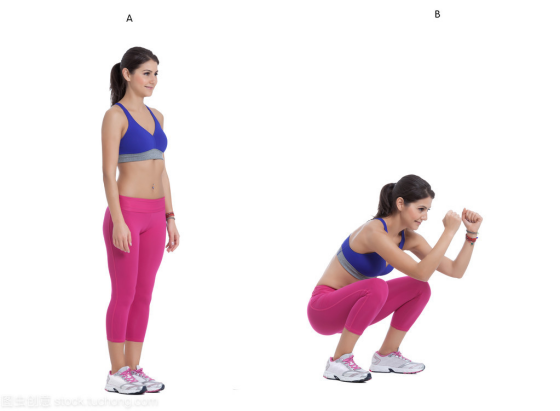
To perform a standard air squat with professional precision, follow these exhaustive steps to ensure every muscle group is properly engaged:
- Foot Positioning: Stand with your feet slightly wider than shoulder-width apart. Your toes should be pointed slightly outward (about 5 to 20 degrees) to allow the femur to sit comfortably within the hip socket during the descent.
- The Hip Hinge: Initiate the movement by sending your hips back first, as if sitting into an invisible chair. This ensures that the glutes and hamstrings take the load rather than putting immediate pressure on the knee caps.
- Weight Distribution: Keep your weight centered over the mid-foot and heels. Your toes should remain in contact with the ground, but you should never feel like you are tipping forward onto the balls of your feet.
- Depth and Alignment: Descend until your thighs are at least parallel to the floor. Throughout this process, ensure your knees track in line with your toes; do not let them cave inward (valgus collapse), as this is a primary cause of ACL and meniscus strain.
- Chest and Core: Keep your chest upright and your gaze forward. Engage your core as if someone is about to punch you in the stomach; this creates intra-abdominal pressure that protects your spine.
Common Mistakes and Corrective Strategies
| Mistake | Consequence | Correction |
|---|---|---|
| Knees over toes excessively | High patellar pressure | Focus on the initial hip hinge back |
| Rounding the lower back | Lumbar disc compression | Engage core and keep chest “proud” |
| Heels lifting off floor | Loss of balance/quad dominance | Improve ankle mobility or widen stance |

The Transformative Benefits of Walking Backwards
Walking backwards, also known as “retro-walking,” is a highly underrated therapeutic and athletic tool. While it may look unusual, the shift in direction fundamentally changes the biomechanical load on the body. When we walk forward, we often use a “heel-strike” pattern that can be jarring for those with joint issues. Walking backwards reverses this, requiring a toe-to-heel strike that naturally cushions the impact and engages different muscle fibers.
Knee Health and Joint Longevity
One of the most significant advantages of retro-walking is its impact on the knees. Studies have shown that walking backwards creates less shear force on the knee joint than forward walking. It specifically targets the vastus medialis obliquus (VMO)—the tear-drop shaped muscle just above the knee—which is crucial for patellar tracking and stability. For individuals recovering from knee surgery or suffering from osteoarthritis, retro-walking serves as a low-impact way to build strength in the surrounding connective tissues.
Neurological and Cognitive Advantages
Beyond the physical, walking backwards is a potent “brain hack.” Because it is an unfamiliar movement, it forces the brain to create new neural pathways to coordinate balance and spatial awareness. This increases proprioception—your body’s ability to sense its position in space. Research suggests that the increased cognitive demand of retro-walking can actually improve short-term memory and focus, as the prefrontal cortex must work harder to manage the unconventional motor task.
How to Incorporate Retro-Walking
Start slowly in a controlled environment. A flat, unobstructed hallway or a treadmill set to a very low speed (0.5 to 1.0 mph) is ideal. Aim for 5 to 10 minutes of backward walking three times a week. As you become more comfortable, you can introduce a slight incline to further challenge the calves and hamstrings.

Mastering Mobility: Essential Stretching Protocols
Stretching is frequently misunderstood as a simple “cool down” activity, but it is actually a sophisticated method of communicating with the nervous system. Proper stretching reduces muscle hypertonicity (excessive tension) and increases the functional range of motion (ROM), which is vital for preventing the compensatory movements that lead to chronic pain.
Dynamic vs. Static Stretching: Timing is Everything
The effectiveness of a stretch depends heavily on when it is performed. Using the wrong type of stretch at the wrong time can actually decrease performance or increase injury risk.
- Dynamic Stretching (Pre-Workout): These are active movements where joints and muscles go through a full range of motion. Examples include leg swings, torso twists, and arm circles. The goal is to increase blood flow and “wake up” the nervous system.
- Static Stretching (Post-Workout/Evening): This involves holding a single position for 30 to 60 seconds. This triggers the Golgi Tendon Organ (GTO) response, which signals the muscle to relax and lengthen. This is best done when muscles are already warm to avoid “tearing” cold fibers.
Key Target Areas for Modern Professionals
For those who spend significant time at a desk, focus on these three critical areas to counteract the “hunched” posture:
- Hip Flexors: Sitting shortens the psoas and iliacus. A deep lunge stretch can release this tension and alleviate lower back pain.
- Thoracic Spine: Use a “Cat-Cow” stretch or door-frame chest stretch to open the ribcage and improve breathing capacity.
- Hamstrings: Tight hamstrings pull on the pelvis, leading to an anterior pelvic tilt. Use a seated forward fold to maintain length.

The Metabolic Power of the 5-Minute Micro-Walk
Many people believe that if they cannot commit to an hour at the gym, their efforts are wasted. Science proves otherwise. The concept of “exercise snacking” or micro-walks—short bursts of activity lasting only five minutes—can have a disproportionately large impact on metabolic health, particularly when timed correctly.
Blood Sugar Management and Postprandial Benefits
One of the most effective ways to use a 5-minute walk is immediately after a meal. This is known as a postprandial walk. When you eat, your blood glucose levels rise. By engaging in even light movement, your skeletal muscles contract and act as a “glucose sponge,” pulling sugar out of the bloodstream to use as energy. This significantly blunts the insulin spike associated with meals, reducing the risk of Type 2 diabetes and preventing the “afternoon slump” or energy crash often felt after lunch.
Mental Health and the “Reset” Effect
A five-minute walk serves as a powerful psychological circuit breaker. Moving the body changes the environment and stimulates the release of endorphins and dopamine. This short duration is enough to lower cortisol levels (the stress hormone) and improve creative problem-solving. It is not about the calories burned during those five minutes; it is about the hormonal shift and the cumulative effect of breaking up long periods of stasis.
Building the Habit
The beauty of the 5-minute walk is its low barrier to entry. To make this a permanent part of your lifestyle, “habit stack” it with existing triggers:
- Walk for 5 minutes after your morning coffee.
- Walk for 5 minutes immediately after every meal.
- Walk for 5 minutes following the conclusion of a work meeting.
By the end of the day, these micro-sessions can easily add up to 20-30 minutes of high-quality movement without the need for a gym change or a dedicated workout block.
Frequently Asked Questions (FAQ)
- Q1: Is it okay if my knees go past my toes during a squat?
- Yes, for many people, the knees will naturally travel slightly past the toes depending on their limb length (femur length) and ankle mobility. As long as your heels remain on the ground and you have initiated the movement with a hip hinge, this is a safe and natural variation of the movement.
- Q2: How often should I walk backwards to see results?
- Consistency is more important than duration. Aiming for 5 to 10 minutes, 3 to 4 times per week, is sufficient to begin seeing improvements in knee stability and balance. Always ensure you are in a safe, flat environment to prevent trips.
- Q3: Should I stretch if I feel a sharp pain?
- No. Stretching should create a sensation of “tension” or a “dull ache,” but never sharp, stabbing, or radiating pain. If you feel sharp pain, stop immediately, as you may be aggravating a nerve or a muscle tear rather than stretching a healthy muscle fiber.
- Q4: Can a 5-minute walk really replace a full workout?
- While a 5-minute walk provides incredible metabolic and mental health benefits, it should ideally supplement a well-rounded fitness routine that includes strength training. However, if the choice is between doing nothing and walking for 5 minutes, the 5-minute walk is infinitely better for your blood sugar regulation.
- Q5: What is the best time of day to work on flexibility?
- The best time is in the evening or after a workout when your internal body temperature is highest. Warm muscles are more pliable and less likely to be injured. Additionally, static stretching in the evening can help activate the parasympathetic nervous system, aiding in better sleep.