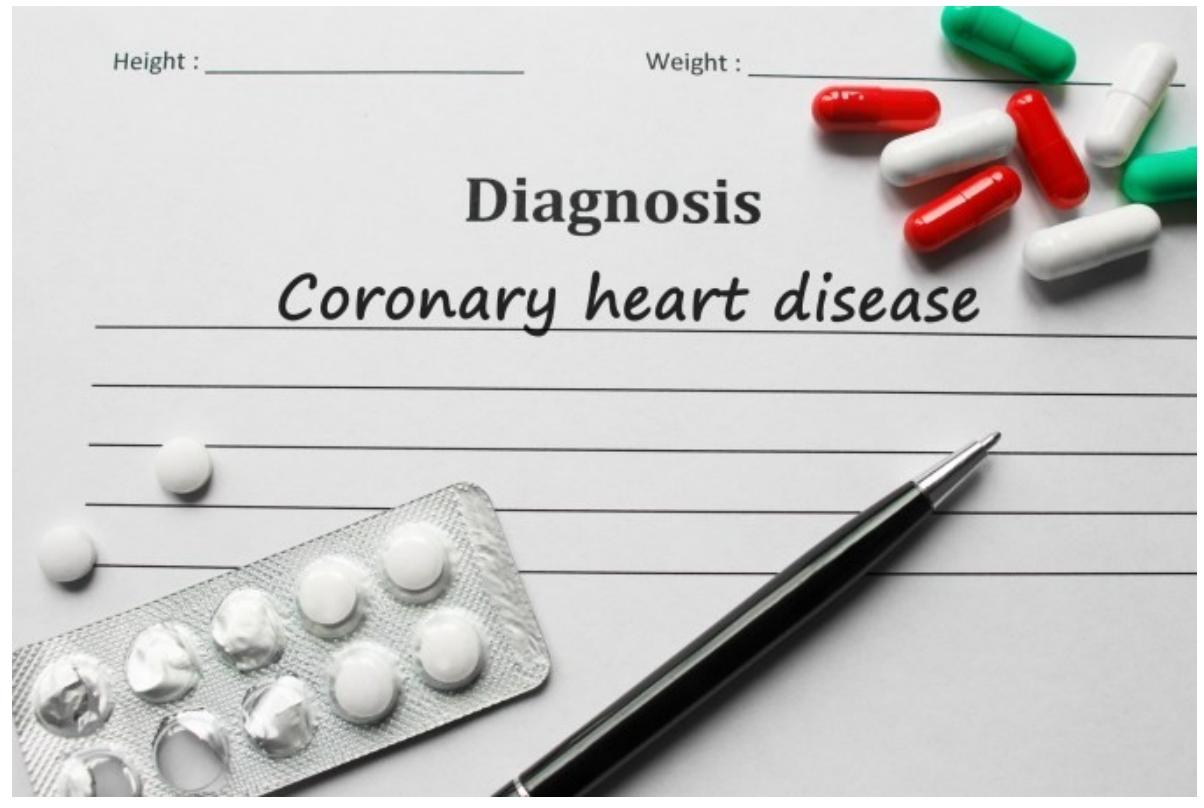
The Ultimate Guide to Coronary Artery Disease (CAD)
Coronary Artery Disease (CAD) is the most common type of heart disease and a leading cause of death globally. It occurs when the vital blood vessels that supply blood, oxygen, and nutrients to your heart muscle become damaged or diseased. This guide provides a comprehensive exploration of CAD, from its underlying mechanisms and risk factors to the latest in diagnosis, treatment, and proactive prevention. Understanding this condition is the first step toward protecting your heart health.
Understanding the Mechanics of Coronary Artery Disease
At its core, CAD is a plumbing problem within the heart’s own circulatory system. To truly grasp the disease, it’s essential to understand the biological processes that cause these critical pathways to fail.
The Role of the Coronary Arteries
Your heart is a powerful muscle that works tirelessly. Like any muscle, it requires a constant, rich supply of oxygenated blood to function. This supply is delivered through the coronary arteries, which branch off the aorta and wrap around the outside of the heart. When these arteries are healthy, they are smooth and elastic, allowing blood to flow freely.
What is Atherosclerosis? The Root Cause
The primary cause of CAD is a condition called atherosclerosis. This is a slow, progressive process where cholesterol, fats, cellular waste products, calcium, and fibrin (a clotting material in the blood) build up in the inner lining of an artery. This buildup is collectively known as plaque. The process is often triggered by damage to the artery’s inner layer, which can be caused by high blood pressure, smoking, or high cholesterol.
How Plaque Buildup Leads to Complications
As plaque accumulates, the arteries narrow and harden, restricting blood flow to the heart. This can lead to two main dangers. First, the narrowed artery may not be able to supply enough oxygen-rich blood to the heart during times of exertion, causing chest pain (angina). Second, the surface of the plaque can rupture, causing a blood clot to form. This clot can completely block the artery, cutting off blood supply to a portion of the heart muscle and causing a heart attack (myocardial infarction).

Key Risk Factors: Are You at Risk for CAD?
Several factors can increase your risk of developing coronary artery disease. Some of these are beyond your control, but many are directly related to lifestyle and can be managed effectively to protect your heart.
Non-Modifiable vs. Modifiable Risk Factors
Risk factors are typically categorized into two groups. Non-modifiable factors are ones you cannot change, such as increasing age, being male, and having a family history of heart disease. Modifiable risk factors are those you can control through lifestyle changes or medical treatment. Focusing on these is the key to prevention.
The “Big Four” Modifiable Risk Factors
- High Blood Cholesterol: Specifically, high levels of low-density lipoprotein (LDL), or “bad” cholesterol, are a primary contributor to plaque buildup.
- High Blood Pressure (Hypertension): Over time, high blood pressure can damage the artery walls, making them more susceptible to atherosclerosis.
- Smoking: Tobacco use damages blood vessels, increases blood pressure, reduces the amount of oxygen in the blood, and makes blood clots more likely.
- Diabetes Mellitus: High blood sugar levels associated with diabetes can damage the coronary arteries and significantly increase the risk of CAD.
Other Major Contributing Factors
In addition to the main four, other factors play a significant role. These include being overweight or obese, leading a sedentary lifestyle with little physical activity, experiencing chronic stress, and consuming an unhealthy diet high in saturated fats, trans fats, and sodium.

The Diagnostic Process: How Doctors Identify CAD
Diagnosing CAD involves a combination of a physical exam, a review of your medical history, and several specialized tests designed to evaluate the health of your heart and arteries.
Initial Evaluation and Physical Exam
A doctor will begin by discussing your symptoms, lifestyle, and family medical history. During the physical exam, they will check your blood pressure, listen to your heart, and look for signs of vascular disease elsewhere in your body. Blood tests are crucial for checking levels of cholesterol, sugar, and other markers of heart health.
Key Diagnostic Tests Explained
- Electrocardiogram (ECG or EKG): This test records the electrical activity of your heart and can show evidence of a previous heart attack or an ongoing lack of oxygen to the heart muscle (ischemia).
- Stress Test: During a stress test, you exercise (e.g., on a treadmill) while being monitored with an EKG. It shows how your heart performs under physical stress and can reveal poor blood flow.
- Echocardiogram: This ultrasound test uses sound waves to create images of your heart, showing its size, shape, and how well its chambers and valves are working.
- CT Coronary Angiogram: A specialized CT scan that uses dye to visualize the coronary arteries and identify areas of narrowing or blockage.
Coronary Angiography: The Gold Standard
For a definitive diagnosis, a cardiac catheterization with coronary angiography may be performed. In this procedure, a thin, flexible tube (catheter) is guided through a blood vessel to your coronary arteries. A special dye is injected, and X-rays are taken to reveal the exact location and severity of any blockages.
A Spectrum of Treatment Options for CAD
Treatment for CAD focuses on relieving symptoms, slowing or stopping the progression of atherosclerosis, and reducing the risk of a heart attack. The approach typically involves a combination of lifestyle changes, medications, and, in some cases, medical procedures.
Foundation of Treatment: Heart-Healthy Lifestyle Changes
This is the cornerstone of all CAD management. It includes adopting a heart-healthy diet (low in sodium and saturated fat, rich in fruits and vegetables), engaging in regular physical activity, quitting smoking, and managing stress. These changes can have a profound impact on controlling risk factors like high blood pressure and cholesterol.
Common Medications and Their Purpose
Several classes of drugs are used to manage CAD:
- Statins: To lower LDL (“bad”) cholesterol levels.
- Aspirin or other antiplatelets: To reduce the risk of blood clots.
- Beta-Blockers: To lower blood pressure and reduce the heart’s workload.
- Nitroglycerin: To relieve episodes of chest pain (angina).
- ACE Inhibitors or ARBs: To lower blood pressure and protect the heart.
Advanced Procedures: Angioplasty, Stents, and Bypass Surgery
When blockages are severe, more invasive treatments may be necessary.
- Angioplasty and Stenting: A catheter with a balloon is inserted into the narrowed artery. The balloon is inflated to compress the plaque, and a small mesh tube (stent) is often left in place to keep the artery open.
- Coronary Artery Bypass Graft (CABG) Surgery: This is an open-heart surgery where a surgeon takes a healthy blood vessel from another part of the body (like the leg or chest) and creates a new path for blood to flow around the blocked coronary artery.
Expert Tips for Long-Term Heart Health
Managing CAD is a lifelong commitment. Beyond formal treatments, integrating proactive habits into your daily routine is crucial for maintaining heart health and improving your quality of life.
- Know Your Numbers: Regularly monitor your blood pressure, cholesterol levels, and blood sugar. Understanding your personal health data empowers you to make informed decisions with your doctor.
- Read Food Labels: Become an expert at identifying and avoiding foods high in saturated fat, trans fat, sodium, and added sugars. Focus on whole foods.
- Consistency Over Intensity: When it comes to exercise, consistency is more important than intensity. Aim for at least 150 minutes of moderate-intensity aerobic activity per week, broken into manageable sessions.
- Build a Support System: Share your health goals with family and friends. Joining a support group or cardiac rehabilitation program can provide motivation and accountability.
- Prioritize Sleep: Chronic sleep deprivation is linked to an increased risk of heart disease, hypertension, and obesity. Aim for 7-9 hours of quality sleep per night.
Comparing Treatment Approaches for CAD
Choosing the right treatment path depends on the severity of the disease, your symptoms, and your overall health. Below is a comparison of the primary strategies.
| Approach | Primary Goal | Best For | Key Considerations |
|---|---|---|---|
| Lifestyle Changes | Preventing progression and managing risk factors. | All patients with CAD, from mild to severe. The foundation of all treatment. | Requires long-term commitment and discipline. No immediate results. |
| Medications | Lowering cholesterol, blood pressure, and clot risk. | Most patients with diagnosed CAD, used in conjunction with lifestyle changes. | Potential for side effects. Requires consistent daily adherence. |
| Angioplasty/Stenting | Restoring blood flow in a significantly blocked artery. | Patients with one or two severe blockages causing significant symptoms. | Less invasive than surgery but risk of re-narrowing (restenosis). |
| Bypass Surgery (CABG) | Creating new pathways for blood flow around multiple blockages. | Patients with multiple severe blockages or complex disease. | Highly effective but is a major open-heart surgery with a longer recovery time. |
Frequently Asked Questions (FAQ)
-
Can coronary artery disease be cured?
- No, coronary artery disease is a chronic condition that cannot be cured. However, its progression can be significantly slowed or even halted with aggressive lifestyle modifications, medication, and appropriate medical procedures. The goal of treatment is to manage symptoms, improve quality of life, and prevent major cardiac events like a heart attack.
-
What does angina feel like and is it always a sign of a heart attack?
- Angina is chest discomfort caused by reduced blood flow to the heart muscle. It’s often described as a feeling of pressure, squeezing, fullness, or pain in the center of the chest. It is not a heart attack itself, but it is a serious warning sign that you are at high risk. Stable angina occurs predictably during exertion and subsides with rest, while unstable angina is unpredictable and a medical emergency.
-
How does diet specifically impact coronary artery disease?
- Diet has a direct impact. Diets high in saturated and trans fats raise “bad” LDL cholesterol, a key component of plaque. High sodium intake contributes to high blood pressure, which damages arteries. Conversely, a diet rich in fruits, vegetables, whole grains, and lean proteins (like the Mediterranean or DASH diet) can help lower cholesterol, reduce blood pressure, and decrease inflammation in the arteries.
-
Is exercise safe if I have been diagnosed with CAD?
- Yes, for most people, regular, moderate exercise is not only safe but highly recommended as part of a treatment plan. It strengthens the heart muscle, improves circulation, helps control weight, and manages risk factors like blood pressure and cholesterol. However, it is crucial to speak with your doctor to develop a safe and effective exercise plan tailored to your specific condition, often through a cardiac rehabilitation program.
-
What is the difference between a stent and bypass surgery?
- A stent is a minimally invasive procedure where a small mesh tube is used to prop open a single, narrowed artery from the inside. It is done via a catheter. Bypass surgery is a major open-heart operation where surgeons create a new route for blood to flow around a blockage using a blood vessel grafted from another part of your body. Bypass is typically reserved for patients with multiple, severe, or complex blockages.