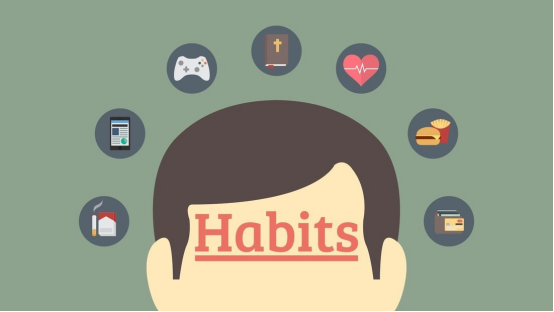
The Science of Micro-Habits and Behavioral Shifts
Most individuals fail at self-improvement because they attempt to overhaul their lives overnight. Scientific research into neuroplasticity and behavioral psychology suggests that the brain resists radical shifts, often leading to burnout or abandonment of goals. By contrast, micro-habits—actions so small they seem insignificant—bypass the brain’s natural resistance to change.
Why Small Habits Outperform Radical Changes
When you commit to a massive goal, such as running five miles daily, your brain perceives it as a threat to your energy reserves. However, committing to a single push-up or a one-minute walk makes failure nearly impossible. This creates a psychological feedback loop of success that builds momentum.
- Low Activation Energy: Small habits require minimal willpower, making them sustainable even on days when your motivation is depleted.
- Identity Formation: Every small action acts as a “vote” for the type of person you want to become, slowly shifting your self-perception.
- Compound Interest of Habits: Much like financial interest, the cumulative effect of a 1% daily improvement leads to exponential growth over time.

Operational Framework for Implementation
To successfully integrate new behaviors, one must treat the process as an engineering challenge rather than a test of character. The key lies in habit stacking and environmental design, ensuring that the new behavior integrates seamlessly into your existing daily flow.
The “One Push-Up” Principle
The “one push-up” rule is the ultimate tool for overcoming inertia. It focuses on the starting ritual rather than the final outcome. By lowering the barrier to entry, you ensure that you perform the action regardless of external circumstances. Once the habit is established, the volume can be increased naturally.
| Strategy | Execution Method | Target Outcome |
|---|---|---|
| Habit Stacking | Link new habit to existing routine | Consistency |
| Environment Design | Remove friction for good habits | Ease of Adoption |
| Tracking | Use visual markers (checklists) | Psychological Reward |

Maintaining Long-Distance Consistency
Success is rarely the result of a single burst of effort; it is the product of long-distance consistency. To become a “long-distance champion” of change, one must develop resilience against the “dip”—the period where initial excitement fades and results are not yet visible.
Managing the Mid-Journey Plateau
During the plateau phase, many abandon their habits. To persist, you must shift your focus from outcome-based goals (e.g., losing 20 pounds) to identity-based goals (e.g., becoming someone who never misses a workout). This shift makes the habit a non-negotiable part of your identity.

Frequently Asked Questions (FAQ)
- Q1: How long does it take for a micro-habit to become automatic?
- While the “21 days” myth is common, research suggests it takes anywhere from 18 to 254 days for a new behavior to become fully automatic. The duration depends on the complexity of the habit and individual consistency.
- Q2: What happens if I miss a day?
- Missing one day is a mistake; missing two days is the start of a new habit. The goal is to follow the “never miss twice” rule to minimize the impact of disruption on your progress.
- Q3: Can I work on multiple habits at once?
- It is highly recommended to start with one or two micro-habits. Attempting to overhaul multiple areas of your life simultaneously often leads to decision fatigue and eventual failure.
- Q4: Why does my brain fight against these positive changes?
- Your brain is wired for homeostasis and energy conservation. Any change, even a positive one, is perceived as a potential threat to your current energy balance, triggering resistance.