
Confidence is often perceived as a purely mental state—an internal feeling of self-belief that we either have or we don’t. However, a growing body of scientific research reveals a much deeper, more accessible truth: confidence is profoundly physiological. The way you hold your body, the rhythm of your breath, and the movements you make can directly and powerfully shape your mindset. This concept, known as embodied cognition, suggests that your body isn’t just a vessel for your brain; it’s an active participant in your thought processes and emotional states. By understanding and deliberately managing your physiology, you can build and project authentic confidence, even when you don’t initially feel it. This guide provides a comprehensive roadmap to mastering your physical self to create an unshakeable foundation of inner strength and outward poise.
We will explore the intricate feedback loop between your body and mind, examining how simple changes in posture can alter your hormonal balance to reduce stress and increase feelings of power. We’ll break down the specific, actionable techniques—from standing tall to mastering eye contact and using purposeful gestures—that signal confidence not only to others but, more importantly, back to yourself. This is not about “faking it” in a deceptive way; it’s about using your body as a tool to genuinely cultivate the state of mind you desire. Prepare to unlock a new level of self-assurance by learning to speak the language of confidence with your entire being.
The Science of Embodied Confidence: How Your Body Shapes Your Mind
The connection between your physical posture and your psychological state is not just a motivational platitude; it’s a biological reality governed by your nervous and endocrine systems. The principle of embodied cognition posits that your mind doesn’t just command your body; your body’s actions, postures, and sensations send constant feedback to the brain, influencing your thoughts and emotions. This creates a powerful and continuous feedback loop you can consciously tap into.
The Mind-Body Feedback Loop Explained
When you feel anxious or insecure, your body naturally tends to contract. You might slouch, cross your arms, and make yourself physically smaller. This closed-off posture sends signals to your brain that confirm the feeling of threat or vulnerability, reinforcing the anxiety. Conversely, when you adopt an open, expansive posture, you send a different set of signals. Your brain interprets this physical openness as an indicator of safety and power, which in turn helps to generate feelings of confidence and calm. By intentionally changing your physical state first, you can interrupt negative mental cycles and initiate positive ones.
Hormonal Havoc: Cortisol, Testosterone, and Power Posing
Pioneering research by social psychologist Amy Cuddy brought the physiological impact of posture into the spotlight. Her studies revealed that adopting “high-power poses” (expansive postures that take up space) for as little as two minutes can create measurable changes in your body chemistry. Participants who held these poses showed:
- A decrease in Cortisol: Cortisol is the body’s primary stress hormone. High levels are associated with anxiety and a fight-or-flight response. Power posing was shown to reduce cortisol levels by approximately 25%, helping to induce a state of calm and resilience.
- An increase in Testosterone: Often associated with dominance and risk-tolerance, testosterone is a key hormone for feeling powerful and assertive. High-power posers experienced a roughly 20% increase in testosterone levels.
This hormonal shift demonstrates that your posture is not just an outward expression of your feelings; it is an active regulator of the very hormones that create those feelings.
The Vagus Nerve and the Power of Deep Breathing
Beyond posture, your breathing pattern is one of the most potent tools for managing your physiological state. Shallow, rapid chest breathing is a hallmark of the stress response. In contrast, deep, slow, diaphragmatic breathing (breathing from your belly) stimulates the vagus nerve. This crucial nerve runs from your brainstem to your abdomen and is the main component of the parasympathetic nervous system—your body’s “rest and digest” system. Stimulating the vagus nerve slows your heart rate, lowers blood pressure, and sends a powerful signal of safety to your brain, effectively short-circuiting feelings of anxiety and panic.
Mastering Confident Posture: Your Foundation for Presence
Your posture is the cornerstone of nonverbal communication. It’s the first thing people notice, and it sends an immediate message about your self-perception before you ever say a word. Cultivating a confident posture is a fundamental step in building your physiological foundation for self-assurance. It involves more than just “standing up straight”; it’s about occupying your space with intention and ease.
The Anatomy of a Confident Stance
A confident posture is both relaxed and solid. It communicates presence without aggression. To achieve this, focus on these key physical alignments:
- Feet Planted Firmly: Stand with your feet about shoulder-width apart. This creates a stable base and prevents nervous swaying. Distribute your weight evenly.
- Lengthen Your Spine: Imagine a string pulling the crown of your head gently toward the ceiling. This elongates your neck and straightens your back without making it rigid.
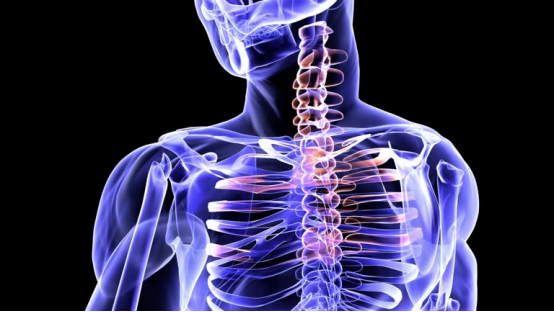
- Shoulders Back and Down: Many people carry tension in their shoulders, causing them to hunch forward. Consciously roll your shoulders up, back, and then let them drop into a relaxed, open position. This opens up your chest, a classic signal of confidence.
- Chin Parallel to the Floor: Avoid tucking your chin down (a sign of submission) or jutting it up too high (which can appear arrogant). A level chin communicates equality and directness.
- Hands Relaxed: Let your arms hang naturally at your sides. Avoid clenching your fists or shoving your hands deep into your pockets, as this can signal nervousness.
Practical Exercise: The Two-Minute Power Pose Transformation
Based on Amy Cuddy’s research, this simple exercise can be used before any high-stakes situation, like a job interview, a presentation, or a difficult conversation. Find a private space (like a bathroom stall or an empty office) and hold one of these poses for two full minutes:
- The “Wonder Woman”: Stand with your feet apart, hands firmly on your hips, chest out, and chin up.
- The “CEO”: Sit back in a chair, put your feet up on a desk, and clasp your hands behind your head, leaning back expansively.
- The “Victory”: Stand and raise your arms up in a wide “V” shape, as if you’ve just won a race.
While holding the pose, breathe deeply and focus on the feeling of taking up space. This exercise primes your brain and body for confidence by triggering the hormonal shifts discussed earlier, making you feel more powerful and less stress-reactive.
Common Postural Mistakes to Avoid
Be mindful of subconscious habits that undermine your presence. Slouching is the most obvious culprit, as it makes you appear smaller and less energetic. Other habits to watch for include crossing your arms tightly across your chest, which creates a defensive barrier, and constantly shifting your weight from foot to foot, which signals restlessness and discomfort.

Projecting Confidence Through Dynamic Body Language
While posture sets the stage, dynamic body language—your gestures, eye contact, and facial expressions—brings your confident presence to life. These are the active signals that engage others and reinforce your message. Mastering them allows you to communicate with clarity, warmth, and authority.
The Art of Assertive Eye Contact
Eye contact is a powerful tool for building connection and establishing credibility. A lack of eye contact can be interpreted as dishonesty or insecurity, while too much can feel aggressive. The key is to find a comfortable, confident balance.
- Hold a Steady Gaze: When listening or speaking, aim to hold eye contact for 4-5 seconds at a time. Look directly at the person, then you can briefly glance away to gather your thoughts before re-engaging.
- The Triangle Technique: To avoid an intimidating stare, especially in one-on-one conversations, imagine a triangle on the other person’s face connecting their eyes and mouth. Let your gaze shift naturally between these three points.
- Look Up, Not Down: When you break eye contact, try to look to the side thoughtfully. Looking down can be perceived as a submissive gesture.
Using Gestures to Communicate Authority
Confident people use gestures that are purposeful and open. Fidgeting, tapping, or other nervous movements distract from your message and betray anxiety. Instead, practice the following:
- Open-Palm Gestures: Using gestures with your palms facing slightly upwards signals honesty and openness. It subconsciously tells others you have nothing to hide.
- Steepling: Lightly touching the fingertips of both hands together to form a steeple is a classic sign of confidence and thoughtful consideration. Use it when listening or making a key point.
- Avoid Fidgeting: Make a conscious effort to stop playing with your hair, clicking a pen, or adjusting your clothes. If you need an outlet for nervous energy, channel it into deliberate, meaningful hand gestures that emphasize your words.
Your Voice as a Tool of Influence
Your vocal tone and delivery are integral parts of your body language. A confident voice is clear, controlled, and resonant.
- Pace and Pauses: Confident speakers are not afraid of silence. Speak at a moderate pace and use strategic pauses to emphasize important points and give your listeners time to process. Rushing your words is a sign of nervousness.
- Downward Inflection: End your sentences with a slight downward inflection. A rising inflection at the end of a statement can make it sound like a question, undermining your authority.
- Breathe from Your Diaphragm: Just as with relaxation, breathing from your belly gives your voice more power, resonance, and stability, preventing it from sounding thin or shaky.
Mastering the Confident Handshake
A handshake is often the first point of physical contact in a professional setting, and it leaves a lasting impression. A confident handshake is firm, not crushing. Make full palm-to-palm contact, match the pressure of the other person, and hold it for about two to three seconds while making eye contact and smiling genuinely.

Advanced Techniques for Integrating Confident Physiology
Once you understand the individual components of confident physiology, the next step is to integrate them into a cohesive practice. This involves moving from consciously performing these actions to embodying them as a natural part of your presence. The goal is to make confidence your default physical state.
The “Outside-In” Approach: Faking It Until You Become It
The phrase “fake it ’til you make it” is often misunderstood. In the context of embodied cognition, it’s more accurately “act it ’til you become it.” This isn’t about being inauthentic. It’s about recognizing that action can precede feeling. On days when you feel your confidence wavering, you don’t have to wait for the feeling to change. Instead, you can choose to adopt the physiology of confidence—stand tall, breathe deep, smile. By sending these powerful signals from your body to your brain, you actively generate the internal state you desire. Over time, this conscious practice rewires your neural pathways, making this confident state easier and more automatic to access.
Creating a Daily Confidence Ritual
To make these practices a habit, incorporate them into a daily ritual. This could be a five-minute routine you perform every morning to set the tone for your day.
- Power Pose (2 minutes): Start your day by holding a high-power pose while you brush your teeth or wait for your coffee.
- Deep Breathing (2 minutes): Sit or stand with a straight spine and take 10-15 slow, deep diaphragmatic breaths. Focus on the physical sensation of the air filling your belly and the feeling of calm it produces.
- Postural Check-in (1 minute): Stand in front of a mirror and consciously adjust your posture. Align your spine, roll your shoulders back, and level your chin. Memorize how this feels so you can recall it throughout the day.
This simple ritual reinforces the mind-body connection and makes confident physiology a part of your muscle memory.
Navigating High-Stakes Situations with Poise
When faced with a stressful event, your body’s natural tendency is to revert to a fight-or-flight response. Use these techniques to maintain physiological control:
- Pre-Event Priming: Before walking into the meeting or onto the stage, find a private moment to do your two-minute power pose. This will lower your cortisol and boost your testosterone right when you need it most.
- Anchor Yourself with Breath: If you feel anxiety rising during the event, bring your focus back to your breath. No one will notice if you take one or two slow, deep breaths. This is a discreet way to activate your vagus nerve and restore calm.
- Ground Yourself Physically: Pay attention to the physical sensations of your body in the space. Feel your feet flat on the floor. Notice the solidness of the chair supporting you. This grounding technique pulls your focus away from anxious thoughts and back into the present, stable moment.
Frequently Asked Questions (FAQ)
- Q1: How long does it take to see results from power posing?
- The physiological effects, such as changes in cortisol and testosterone levels, can begin within just two minutes of holding a pose. The resulting feeling of confidence can be immediate, though subtle at first. For long-term changes in your baseline confidence, consistent practice over several weeks is key to forming new habits and rewiring your brain’s default responses.
- Q2: Can body language really make me feel more confident, or is it just for show?
- It absolutely can make you feel more confident. This is the core principle of embodied cognition. Your brain is constantly interpreting signals from your body. When you adopt the physical postures and movements of confidence, your brain receives this feedback and begins to align your emotional state with your physical one. It’s not just an external show; it’s a powerful internal feedback loop.
- Q3: What’s the most important body language cue to focus on first?
- If you have to choose just one, start with your posture. A tall, open posture is the foundation upon which all other confident body language is built. It has a direct impact on your hormone levels, your breathing, and how you are perceived by others. By simply pulling your shoulders back and straightening your spine, you trigger a cascade of positive physiological and psychological effects.
- Q4: How can I practice confident body language without feeling awkward or inauthentic?
- Start small and in low-stakes environments. Practice holding a confident posture while walking down the street or sitting at your desk. Try making better eye contact with the barista at a coffee shop. The key is gradual integration. At first, it may feel like you are “acting,” but with repetition, these actions will become second nature and feel completely authentic because they will be genuinely influencing your internal state.
- Q5: Does deep breathing actually reduce anxiety before a big event?
- Yes, it is one of the most effective and rapid ways to reduce acute anxiety. Deep, diaphragmatic breathing activates the parasympathetic nervous system via the vagus nerve, which acts as a brake on your body’s stress response. It slows your heart rate, lowers blood pressure, and signals to your brain that you are safe, directly counteracting the physiological symptoms of anxiety and allowing for a clearer, calmer mind.