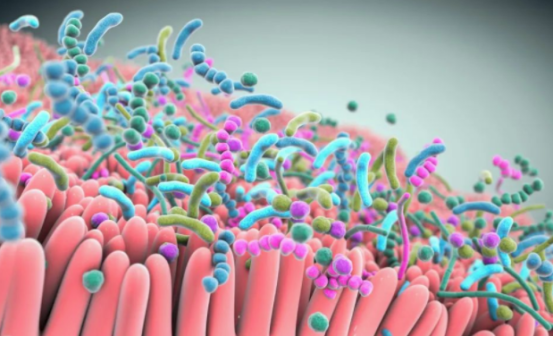
The Secret of the Gut Microbiome: How Bacteria Affect Your Health
The human gut is home to trillions of microorganisms, a complex ecosystem known as the gut microbiome. Far from being simple pathogens, these bacteria are essential partners in maintaining human physiological homeostasis. They play a pivotal role in nutrient absorption, the synthesis of vitamins, and the training of the immune system.
Mechanisms of Microbial Influence
The influence of the gut microbiome extends far beyond the digestive tract. Research indicates that the composition of microbial flora can affect metabolic rates, mood regulation via the gut-brain axis, and systemic inflammation levels.
- Nutrient Metabolism: Bacteria break down complex carbohydrates that human enzymes cannot digest, producing short-chain fatty acids (SCFAs) that nourish colon cells.
- Immune System Modulation: A diverse microbiome acts as a biological shield, outcompeting harmful invaders for resources and signaling the immune system to respond appropriately to threats.

The Mechanics of Antibiotic Resistance and Superbugs
The rise of antibiotic resistance represents one of the most significant threats to modern healthcare. As bacteria evolve to survive exposure to life-saving drugs, we face the prospect of a post-antibiotic era where routine infections become untreatable. This crisis is largely driven by the over-prescription of antibiotics and their widespread use in agriculture.
How Resistance Develops
Resistance is an evolutionary response to environmental pressure. When a population of bacteria is exposed to an antibiotic, the susceptible organisms die, while those with genetic mutations that confer resistance survive and multiply.
| Factor | Impact on Resistance |
|---|---|
| Over-prescription | High: Kills beneficial flora, encourages mutation. |
| Agricultural Use | Extreme: Promotes cross-species resistance transfer. |
| Patient Non-compliance | High: Allows partial survivors to develop defenses. |

Preserving Microbiome Integrity Amidst Antibiotic Use
Antibiotics do not discriminate between harmful pathogens and the beneficial bacteria residing in the gut. A single course of broad-spectrum antibiotics can significantly reduce microbial diversity, a state known as dysbiosis, which can take months or even years to recover.
Mitigation Strategies
To preserve the gut ecosystem while managing necessary medical treatments, patients and clinicians should focus on precision medicine and the targeted use of antimicrobial agents.
- Probiotic Support: Introducing high-quality, diverse strains of beneficial bacteria during and after antibiotic treatment may help restore balance.
- Dietary Intervention: Consuming high-fiber, prebiotic-rich foods acts as a fertilizer for surviving beneficial bacteria, accelerating recovery.

Future Directions in Microbiome Research and Infection Control
The future of medicine lies in our ability to manipulate the microbiome to combat antibiotic-resistant infections. Fecal Microbiota Transplantation (FMT) and phage therapy are currently being explored as viable alternatives to traditional antibiotics for treating recurrent infections like C. difficile.
Frequently Asked Questions (FAQ)
- Q1: Can the gut microbiome be permanently damaged by antibiotics?
- While antibiotics cause significant shifts in bacterial populations, the microbiome is highly resilient. However, chronic or frequent use can lead to long-term dysbiosis, potentially predisposing individuals to metabolic and immune disorders.
- Q2: What is the most effective way to restore gut health after antibiotics?
- Restoration involves a multi-pronged approach: consuming fermented foods (yogurt, kimchi), increasing intake of prebiotic fibers (onions, garlic, legumes), and consulting a physician about targeted probiotic supplementation.
- Q3: Why is antibiotic resistance considered a “global crisis”?
- It is a crisis because common medical procedures—such as surgeries, organ transplants, and cancer chemotherapy—rely heavily on effective antibiotics to prevent infection. Without them, these procedures become too dangerous to perform.
- Q4: How can individuals help combat the rise of superbugs?
- Individuals can help by never demanding antibiotics for viral infections (like the flu), completing full courses of prescribed medication, and choosing antibiotic-free meat products when possible to reduce agricultural pressure.