Anxiety, a fundamental human emotion, serves as an evolutionary alarm system, alerting us to potential dangers. While a normal and often beneficial response in moderation, it becomes problematic when disproportionate to the actual threat, persistent, or debilitating. In contemporary society, understanding anxiety transcends mere psychological curiosity; it’s crucial for navigating a world increasingly prone to its triggers. This extensive guide offers a deep dive into the multifaceted nature of anxiety, from its intricate biological underpinnings to its diverse manifestations and the complex interplay of factors that contribute to its prevalence, aiming to provide clarity and comprehensive insight into a condition that affects millions globally.
The Physiology and Biology of Anxiety: A Deep Dive into the Brain and Body
The experience of anxiety is not merely “all in your head”; it is deeply rooted in complex physiological and biological processes within the brain and body. Understanding these mechanisms is key to demystifying why anxiety feels the way it does and how it impacts our overall well-being. This section will explore the intricate neural pathways, key brain structures, and biochemical messengers that orchestrate the anxiety response, explaining how the body prepares for perceived threats, whether real or imagined.
How the Brain Shapes Our Fears: Key Structures
At the core of anxiety’s physiology lies a sophisticated network of brain regions, each playing a critical role in processing fear and stress. The brain acts as a central command center, interpreting stimuli and initiating protective responses. When the balance within this network is disrupted, anxiety can take hold, leading to persistent feelings of unease or panic.
- Amygdala: The Fear Center: This almond-shaped structure deep within the temporal lobe is the primary processing center for emotions, particularly fear. It acts as an alarm bell, rapidly assessing threats and triggering immediate responses. Research, including studies on individuals with anxiety disorders, shows an overactive amygdala can lead to heightened vigilance and exaggerated fear responses even to non-threatening stimuli.
- Hippocampus: Context and Memory: Adjacent to the amygdala, the hippocampus is vital for memory formation and contextualizing experiences. It helps us remember if a threat is real or imagined based on past experiences. In chronic anxiety, the hippocampus can be affected, leading to difficulties in distinguishing between safe and dangerous situations, or even shrinking in volume under prolonged stress.
- Prefrontal Cortex (PFC): Rational Control: The PFC, especially the ventromedial prefrontal cortex, is responsible for executive functions like decision-making, emotional regulation, and inhibiting inappropriate responses. It serves as the “brake” on the amygdala’s alarm system. Imbalances or reduced activity in the PFC are often observed in anxiety disorders, impairing one’s ability to rationally assess and manage fearful thoughts.
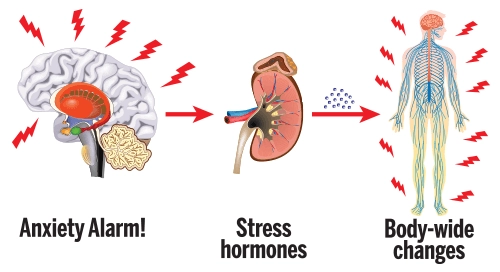
- Hypothalamus: Orchestrator of the Stress Response: This small but mighty brain region links the nervous system to the endocrine system via the pituitary gland. It initiates the body’s primary stress response system, the HPA axis, when a threat is perceived.
Neurotransmitters at Play: The Brain’s Chemical Messengers
Neurotransmitters are chemical messengers that transmit signals across brain cells (neurons), profoundly influencing mood, emotion, and behavior. An imbalance in these crucial chemicals can significantly contribute to the development and severity of anxiety symptoms.
- Serotonin: The Mood Regulator: Often associated with feelings of well-being and happiness, serotonin plays a critical role in regulating mood, sleep, appetite, and digestion. Low levels or inefficient use of serotonin in the brain are strongly linked to anxiety and depression, which is why selective serotonin reuptake inhibitors (SSRIs) are common treatments for anxiety disorders.
- Gamma-Aminobutyric Acid (GABA): The Calming Agent: GABA is the brain’s primary inhibitory neurotransmitter, meaning it slows down brain activity. It helps to calm the nervous system, reduce excitability, and promote relaxation. Deficiencies in GABA or issues with its receptors can lead to increased neuronal firing and heightened anxiety, contributing to feelings of restlessness and nervousness.
- Norepinephrine (Noradrenaline): The Alertness Booster: While essential for focus and alertness, excessive levels of norepinephrine can contribute to anxiety symptoms such as increased heart rate, sweating, and hypervigilance. It is a key component of the “fight or flight” response, preparing the body for action.
- Dopamine: Reward and Motivation: While more commonly associated with pleasure and reward, dopamine also plays a role in anxiety. Imbalances can affect how we perceive stress and motivation, with both too much and too little potentially contributing to anxiety symptoms depending on the brain region and context.
The “Fight or Flight” Response: Adrenaline and Cortisol
When the brain perceives a threat, it activates the sympathetic nervous system and the hypothalamic-pituitary-adrenal (HPA) axis, initiating the classic “fight or flight” response. This ancient survival mechanism floods the body with hormones designed to prepare us for immediate action, but chronic activation can be detrimental.
- Adrenaline (Epinephrine): The Instant Surge: Released rapidly by the adrenal glands, adrenaline causes an immediate increase in heart rate, blood pressure, and energy levels. This surge prepares muscles for quick action and sharpens senses, leading to the physical sensations often associated with acute anxiety, such as a racing heart or shortness of breath.
- Cortisol: The Sustained Stress Hormone: Cortisol, also released by the adrenal glands, is a steroid hormone that provides a more prolonged stress response. It helps maintain energy levels, suppresses non-essential bodily functions, and sharpens memory under stress. While beneficial in short bursts, chronically elevated cortisol levels can lead to a host of health problems, including impaired immune function, digestive issues, and further exacerbate anxiety symptoms.
Physiological Manifestations: What Your Body Tells You
The intricate dance of brain structures and neurotransmitters translates into a wide array of physical symptoms, often serving as the most immediate and distressing indicators of anxiety. Recognizing these signs is crucial for understanding the body’s internal alarm system.
- Cardiovascular Symptoms: A racing heart (tachycardia), palpitations, chest pain or tightness, and shortness of breath are common. These mimic serious heart conditions, often leading to panic and further escalating anxiety.
- Gastrointestinal Distress: Anxiety can profoundly affect the gut, leading to symptoms like nausea, stomach cramps, diarrhea, or constipation. This is due to the strong “gut-brain axis” connection, where stress hormones directly impact digestive function.
- Musculoskeletal Tension: Persistent muscle tension, particularly in the neck, shoulders, and back, is a hallmark of anxiety. This can lead to headaches, jaw pain, and generalized discomfort.
- Neurological Symptoms: Dizziness, lightheadedness, numbness or tingling sensations (paresthesia), and tremors are frequently reported. These are often linked to hyperventilation or altered blood flow during anxious states.
- Sleep Disturbances: Difficulty falling asleep (insomnia), staying asleep, or experiencing restless sleep are common. The hyperarousal associated with anxiety makes it challenging for the body and mind to relax sufficiently for restorative sleep.
- Other Physical Signs: Sweating, hot flashes or chills, dry mouth, and frequent urination can also indicate an activated sympathetic nervous system responding to perceived threats.

Understanding the Diverse Faces of Anxiety
Anxiety is not a monolithic experience; it manifests in a spectrum of forms, each with its unique characteristics, triggers, and impacts on an individual’s life. While all anxiety disorders share a common thread of excessive fear and worry, their specific presentations can vary dramatically. Recognizing this diversity is essential for accurate diagnosis and effective management, moving beyond a generalized understanding to appreciate the nuances of each condition.
Generalised Anxiety Disorder (GAD): Persistent Worry
Generalised Anxiety Disorder is characterized by persistent, excessive, and often uncontrollable worry about a variety of everyday things, such as health, work, money, or family. Unlike situational anxiety, GAD’s worries are pervasive and difficult to turn off, consuming an individual’s thoughts for extended periods, often for six months or more.
- Core Features: Individuals with GAD often describe a constant feeling of being “on edge” or having a sense of impending doom, even when there’s no immediate threat. The worry is disproportionate to the actual likelihood or impact of the feared event.
- Associated Symptoms: Beyond mental rumination, GAD often presents with physical symptoms such as fatigue, irritability, muscle tension, difficulty concentrating, and sleep disturbances, reflecting the body’s chronic state of arousal.
- Impact on Life: The relentless nature of GAD can significantly impair daily functioning, making it challenging to concentrate at work or school, maintain relationships, or enjoy leisure activities, as the mind is constantly preoccupied with “what if” scenarios.
Panic Attacks: The Sudden Storm
A panic attack is an abrupt surge of intense fear or discomfort that reaches a peak within minutes, accompanied by a range of severe physical and cognitive symptoms. These episodes can be terrifying, often making individuals feel like they are having a heart attack, going crazy, or even dying, despite there being no actual life-threatening danger.
- Hallmark Symptoms: Typical symptoms include a pounding heart, sweating, trembling or shaking, sensations of shortness of breath or choking, chest pain, nausea, dizziness, chills or hot flashes, numbness or tingling, and feelings of unreality (derealization) or detachment from oneself (depersonalization).
- Triggers and Onset: Panic attacks can be unexpected (uncued), occurring out of the blue, or expected (cued), triggered by specific situations or phobias. The unpredictability of uncued attacks can lead to significant anticipatory anxiety, known as panic disorder.
- Behavioral Response: A common response to panic attacks is to avoid situations where they have occurred or where one fears they might occur again. This avoidance can severely restrict an individual’s life, leading to agoraphobia in severe cases.
Social Anxiety Disorder: Fear of Scrutiny
Social Anxiety Disorder (SAD), also known as social phobia, is characterized by an intense and persistent fear of social situations where one might be scrutinized, judged, or humiliated by others. This fear often leads to avoidance of social interactions or enduring them with extreme distress.
- Specific Fears: Common fears include public speaking, eating in front of others, meeting new people, being observed while performing a task, or simply engaging in casual conversations, stemming from a preoccupation with negative evaluation.
- Physical Symptoms in Social Settings: When confronted with feared social situations, individuals with SAD often experience blushing, sweating, trembling, a rapid heartbeat, and nausea, which further intensifies their self-consciousness.
- Avoidance and Isolation: The profound discomfort associated with social interactions can lead to significant social isolation, impacting personal relationships, career opportunities, and overall quality of life.
Specific Phobias: Targeted Fears
A specific phobia is an intense, irrational fear of a particular object or situation that poses little or no actual danger. The fear is disproportionate to the actual risk and can lead to immediate anxiety responses and avoidance behaviors. These phobias are highly common, affecting a significant portion of the population at some point.
- Common Categories: Specific phobias typically fall into several categories:
- Animal Type: Fear of spiders (arachnophobia), snakes (ophidiophobia), dogs (cynophobia), etc.
- Natural Environment Type: Fear of heights (acrophobia), storms (astraphobia), water (aquaphobia).
- Blood-Injection-Injury Type: Fear of needles, blood, or medical procedures. This type often involves a vasovagal response (fainting) unique among phobias.
- Situational Type: Fear of enclosed spaces (claustrophobia), flying (aviophobia), bridges, or public transportation.
- Other Types: Fears not falling into the above categories, such as fear of choking, vomiting, or loud noises.
- Distress and Avoidance: Individuals with specific phobias will actively avoid the phobic object or situation, or endure it with intense anxiety and distress. This avoidance can sometimes significantly interfere with daily routines or quality of life, depending on the ubiquity of the feared stimulus.
Is Anxiety a Disease? Reframing the Perspective
The question of whether anxiety is a “disease” often arises, carrying implications for how it’s understood, treated, and destigmatized. Rather than strictly classifying it as a disease in the conventional sense, it’s more accurately described as a complex condition or a group of disorders characterized by significant distress and impairment due to excessive fear and worry. This perspective acknowledges the interplay of biological, psychological, and environmental factors without reducing it to a purely pathological entity.
- Biological Component: As discussed, anxiety has clear biological underpinnings, involving brain structures, neurotransmitters, and the HPA axis. Genetic predispositions also play a role, suggesting a physiological vulnerability.
- Psychological Component: Cognitive patterns, learned behaviors, past traumas, and individual coping mechanisms significantly shape the experience and severity of anxiety. Maladaptive thought patterns are central to many anxiety disorders.
- Environmental and Social Factors: Stressful life events, social pressures, cultural expectations, and even socioeconomic status can trigger or exacerbate anxiety. Modern life, with its constant demands and information overload, creates fertile ground for anxiety to thrive.
- The “Disorder” Classification: When anxiety becomes persistent, severe, and interferes with daily functioning, it is classified as an anxiety disorder by diagnostic manuals like the DSM-5. This classification helps guide treatment and insurance coverage but doesn’t necessarily equate to a “disease” in the same way as, for example, an infectious disease. It emphasizes a deviation from healthy functioning that requires intervention.

Factors Influencing Anxiety: Genes, Environment, and Lifestyle
Anxiety is rarely attributable to a single cause; instead, it emerges from a complex interplay of inherited predispositions, life experiences, and daily habits. Understanding these contributing factors is crucial for both prevention and personalized management strategies. This section explores how our genetic blueprint interacts with our surroundings and lifestyle choices to shape our vulnerability to anxiety.
Genetic Tendencies: Does Anxiety Run in Families?
The question of whether anxiety is inherited is complex, but research strongly suggests a genetic component. While no single “anxiety gene” has been identified, a combination of genetic variations can increase an individual’s susceptibility to developing anxiety disorders. This doesn’t mean anxiety is inevitable if it’s in your family, but it does mean you might have a higher baseline vulnerability.
- Heritability Studies: Twin and family studies consistently show that anxiety disorders have a moderate heritability, meaning a portion of the risk is passed down through generations. For example, if a parent has an anxiety disorder, their children are two to six times more likely to develop one.
- Specific Gene Targets: Researchers are investigating genes involved in neurotransmitter systems (like serotonin and GABA pathways) and stress response regulation (e.g., genes affecting the HPA axis). Polymorphisms in genes like the serotonin transporter gene (5-HTTLPR) have been linked to an increased risk of anxiety and depression, especially when combined with environmental stressors.
- Epigenetics: Beyond direct inheritance, epigenetics plays a role. Environmental factors can “switch” genes on or off without changing the underlying DNA sequence. This means early life experiences, such as trauma or parental anxiety, can epigenetically alter gene expression, making individuals more prone to anxiety later in life, even if they don’t carry specific “risk” genes.
- Interaction, Not Determinism: It’s critical to understand that genetics provide a predisposition, not a predetermination. Environmental factors and individual resilience play equally significant roles in whether that genetic vulnerability translates into a clinical anxiety disorder.
Environmental Triggers and Vulnerability
Our environment, encompassing everything from early childhood experiences to daily stressors, profoundly impacts our mental health and can act as potent triggers for anxiety. These external factors interact with our biological and genetic makeup to determine our overall vulnerability.
- Early Life Experiences: Traumatic events during childhood, such as abuse, neglect, or significant loss, can alter brain development and stress response systems, leading to a heightened risk of anxiety disorders in adulthood. Even seemingly less severe stressors, like a chaotic home environment or overprotective parenting, can contribute to anxious tendencies.
- Major Life Stressors: Significant life changes or challenging circumstances are common anxiety triggers. These can include job loss, relationship breakdowns, financial difficulties, chronic illness, or the death of a loved one. The uncertainty and emotional strain associated with such events can overwhelm coping mechanisms.
- Socioeconomic Factors: Poverty, discrimination, and lack of access to resources can create chronic stress, significantly increasing anxiety levels. The constant struggle for basic needs or the experience of systemic injustice can foster feelings of helplessness and fear.
- Social Learning: Children can learn anxious behaviors from their parents or caregivers through observational learning. If a parent constantly worries or avoids certain situations due to anxiety, a child may internalize these responses as appropriate or necessary.
The Impact of Sleep Deprivation
Sleep is not merely a period of rest; it’s a critical time for brain repair, emotional regulation, and memory consolidation. Chronic sleep deprivation acts as a powerful intensifier of anxiety symptoms, creating a vicious cycle where anxiety disrupts sleep, and poor sleep exacerbates anxiety.
- Heightened Amygdala Activity: Studies using fMRI scans have shown that sleep-deprived individuals exhibit increased activity in the amygdala, the brain’s fear center, and decreased connectivity with the prefrontal cortex, which normally helps regulate emotions. This makes the brain less equipped to manage anxious thoughts and more prone to overreacting to stressors.
- Impaired Emotional Regulation: Lack of sleep compromises the prefrontal cortex’s ability to process and regulate emotions effectively. This can lead to increased irritability, mood swings, and a reduced capacity to cope with daily frustrations, making individuals more susceptible to anxiety.
- Increased Cortisol Levels: Sleep deprivation can disrupt the body’s natural circadian rhythm, leading to elevated evening cortisol levels. This sustained presence of the stress hormone keeps the body in a state of hyperarousal, making it harder to relax and fall asleep, and fueling anxious feelings throughout the day.
- Cognitive Impairment: Poor sleep impairs cognitive functions such as concentration, problem-solving, and decision-making. These impairments can make everyday tasks feel more daunting and overwhelming, contributing to feelings of anxiety and inadequacy.
Information Overload in the Digital Age
Modern life, particularly in the digital age, presents a unique set of challenges that can trigger and intensify anxiety. The constant barrage of information, connectivity, and societal pressures creates an environment ripe for stress and emotional dysregulation.
- Constant Connectivity and “Always On” Culture: Smartphones and social media have fostered an expectation of constant availability and responsiveness. This “always on” culture eliminates boundaries between work and personal life, preventing mental downtime and leading to chronic stress and burnout.
- Fear of Missing Out (FOMO): Social media platforms, while connecting us, also create curated highlight reels of others’ lives, often leading to comparisons, feelings of inadequacy, and FOMO. The perceived pressure to keep up or participate can be a significant source of anxiety.
- News and Media Consumption: The 24/7 news cycle, often sensationalized and focused on negative events, can lead to “doomscrolling” and a constant state of low-grade fear or helplessness. Information overload, particularly concerning global crises, can make the world feel unpredictable and unsafe.
- Decision Fatigue: The sheer volume of choices and decisions required in modern life, from what to watch to what to buy, can lead to decision fatigue. This mental exhaustion reduces our capacity to make sound judgments and cope with stress, contributing to anxious feelings.
Vulnerable Populations: Children and Specific Demographics
While anxiety can affect anyone, certain populations are particularly vulnerable due to unique developmental stages, biological factors, or societal circumstances. Understanding these specific vulnerabilities allows for more targeted support and intervention.
- Children and Adolescents: Children are not immune to anxiety; in fact, early onset anxiety disorders are common. They may manifest differently than in adults, often appearing as irritability, defiance, physical complaints (stomachaches, headaches), or school refusal. Factors like academic pressure, social media, family stress, and developmental stages (e.g., separation anxiety in toddlers, social anxiety in teens) make them particularly susceptible.
- Individuals with Chronic Illnesses: Living with a chronic physical health condition significantly increases the risk of anxiety. The constant pain, uncertainty about the future, financial burden, and impact on daily life can be overwhelming, leading to health anxiety or generalized anxiety.
- Elderly Individuals: Anxiety in older adults is often underdiagnosed, mistaken for normal aging or co-occurring medical conditions. Factors like social isolation, loss of independence, health concerns, and grief can contribute to anxiety, impacting their quality of life and physical health.
- Women: Women are diagnosed with anxiety disorders at a higher rate than men. Hormonal fluctuations (e.g., during puberty, pregnancy, postpartum, menopause), societal pressures, and the higher prevalence of certain traumas in women are thought to contribute to this disparity.
- Individuals with Neurodevelopmental Differences: People with conditions like Autism Spectrum Disorder (ASD) or Attention-Deficit/Hyperactivity Disorder (ADHD) often experience higher rates of anxiety. Sensory sensitivities, social communication challenges, and difficulties with executive function can make the world a more overwhelming and unpredictable place for them.

Navigating Anxiety: Signs, Symptoms, and Coping Strategies
Recognizing the signs and symptoms of anxiety is the first critical step toward effective management. Because anxiety manifests in such diverse ways—emotionally, physically, and behaviorally—it can often be mistaken for other issues or dismissed as mere stress. This section aims to provide a clear roadmap for identifying anxiety’s various presentations and distinguishing it from normal stress, along with initial strategies for regaining control.