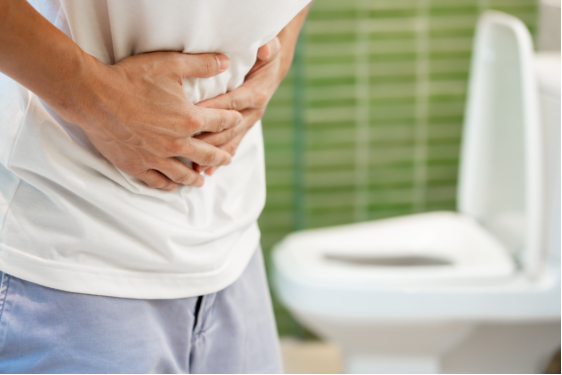
Abdominal bloating is an uncomfortable and often frustrating sensation of fullness, tightness, or visible swelling in the stomach area. While occasional bloating is a normal part of digestion, chronic or severe bloating can be a clear signal of underlying gut distress. True digestive wellness goes beyond simply managing symptoms; it involves understanding the root causes and actively working to repair and rebalance the gut ecosystem. This guide provides a comprehensive roadmap, detailing both immediate relief strategies for acute discomfort and foundational, long-term protocols for lasting gut repair and optimal digestive function.
By addressing the intricate relationship between diet, lifestyle, and the gut microbiome, you can move from a cycle of discomfort to a state of sustained balance. We will explore the science behind bloating, identify common triggers, and provide actionable steps to heal your gut lining, foster beneficial bacteria, and reduce inflammation, empowering you to take control of your digestive health.
Understanding the Root Causes of Bloating and Gut Distress
Before implementing solutions, it is crucial to understand what causes bloating and digestive discomfort. These issues rarely stem from a single factor; more often, they are the result of a combination of dietary habits, physiological processes, and the overall health of your gut microbiome. Identifying your specific triggers is the first step toward effective and lasting relief.
Gas Production and Trapped Air
The most common cause of bloating is excess gas in the digestive tract. This can happen in two primary ways. First, swallowing excess air (aerophagia) while eating or drinking too quickly, chewing gum, or consuming carbonated beverages can introduce air into the stomach. Second, gas is a natural byproduct of the fermentation process when gut bacteria break down undigested carbohydrates in the large intestine. Certain foods, particularly those high in specific types of fiber, can lead to more significant gas production, causing the abdomen to feel stretched and full.
Dietary Triggers and Food Intolerances
Specific foods are notorious for causing bloating and digestive issues in sensitive individuals. These often contain compounds that are difficult for the small intestine to absorb. A primary example is foods high in FODMAPs (Fermentable Oligosaccharides, Disaccharides, Monosaccharides, and Polyols). These are short-chain carbohydrates that can pull water into the intestine and are rapidly fermented by gut bacteria, leading to gas, bloating, and pain. Common food intolerances that contribute to bloating include:
- Lactose Intolerance: Difficulty digesting the sugar in dairy products.
- Fructose Malabsorption: Trouble absorbing the sugar found in many fruits and sweeteners.
- Gluten Sensitivity: An adverse reaction to the protein found in wheat, barley, and rye, distinct from Celiac disease.
Gut Microbiome Imbalance (Dysbiosis)
A healthy gut is home to a diverse and balanced community of trillions of microorganisms. Dysbiosis occurs when there is an imbalance between beneficial and harmful bacteria. This can be caused by a poor diet, antibiotic use, stress, or illness. An imbalanced microbiome can lead to impaired digestion, increased fermentation and gas production, and even inflammation of the gut lining, all of which manifest as chronic bloating and discomfort.
Slow Digestion and Constipation
When your digestive transit time is slow, waste material remains in the colon for longer periods. This gives bacteria more time to ferment the undigested food, producing excess gas. Furthermore, the buildup of stool in the colon can cause physical distension and a feeling of heavy bloating. Inadequate fiber intake, dehydration, and a sedentary lifestyle are common contributors to constipation and the associated bloating.

Immediate Strategies for Relieving Abdominal Bloating
When you’re experiencing acute bloating, you need effective strategies that can provide quick relief. While these methods address the symptoms rather than the root cause, they are invaluable for managing discomfort and restoring a sense of normalcy. Combining these techniques can help release trapped gas, soothe the digestive tract, and reduce abdominal pressure.
Gentle Physical Activity and Poses
Movement can be one of the fastest ways to alleviate bloating. Gentle physical activity helps stimulate peristalsis, the wave-like muscle contractions that move food and gas through your digestive system. A brisk 15-20 minute walk can be highly effective. Additionally, specific yoga poses are designed to release trapped gas and massage the abdominal organs.
- Child’s Pose (Balasana): Gently compresses the abdomen to help expel gas.
- Wind-Relieving Pose (Pawanmuktasana): As the name suggests, this pose applies gentle pressure to the colon.
- Cat-Cow Pose (Marjaryasana-Bitilasana): This dynamic movement stretches and contracts the abdomen, encouraging movement within the digestive tract.
Herbal Remedies and Teas
Certain herbs have carminative properties, meaning they help prevent the formation of gas or facilitate its expulsion. Sipping on a warm herbal tea can be incredibly soothing for a bloated stomach.
- Peppermint Tea: Contains menthol, which has an antispasmodic effect on the smooth muscle of the digestive tract.
- Ginger Tea: Known for its ability to speed up stomach emptying and reduce nausea.
- Chamomile Tea: Helps to relax stomach muscles and can reduce inflammation and cramping.
- Fennel Tea: Traditionally used to relieve gas, bloating, and intestinal spasms.
Abdominal Self-Massage Techniques
A gentle abdominal massage can help manually move trapped gas through the intestines. Using your fingertips, start on the right side of your lower abdomen and move upwards towards the rib cage. Then, move across to the left side and down towards the lower left abdomen, following the path of the large intestine. Apply gentle but firm pressure in a circular motion. This can provide almost instant relief from pressure and discomfort.

Foundational Dietary Changes for Long-Term Gut Repair
While immediate relief is important, achieving lasting digestive health requires a focus on repairing the gut ecosystem. This involves making consistent, foundational changes to your diet that nourish beneficial gut bacteria, heal the intestinal lining, and reduce overall inflammation. These strategies form the bedrock of a resilient and well-functioning digestive system.
Embracing a Probiotic-Rich Diet
Probiotics are live beneficial bacteria that, when consumed in adequate amounts, confer a health benefit. They help restore balance to the gut microbiome, crowding out harmful microbes and supporting digestive processes. While supplements are an option, incorporating probiotic-rich foods is a powerful way to diversify your gut flora.
- Yogurt and Kefir: Fermented dairy products that are excellent sources of Lactobacillus and Bifidobacterium strains.
- Sauerkraut and Kimchi: Fermented cabbage and vegetables that provide a wide range of beneficial bacteria.
- Kombucha: A fermented tea that contains a symbiotic culture of bacteria and yeast.
- Miso: A fermented soybean paste commonly used in Japanese cuisine.
The Power of Prebiotics: Fueling Good Bacteria
Prebiotics are types of dietary fiber that your body cannot digest but serve as fuel for your beneficial gut bacteria. Consuming prebiotic-rich foods is essential for a thriving microbiome, as it encourages the growth and activity of probiotics. Think of prebiotics as the fertilizer for your internal garden.
- Garlic, Onions, and Leeks: Rich in inulin and fructans.
- Asparagus: A great source of prebiotic fiber.
- Bananas (especially slightly unripe): Contain resistant starch that feeds gut bacteria.
- Oats and Barley: Contain beta-glucan, a powerful prebiotic fiber.
Incorporating Anti-Inflammatory Foods
Chronic inflammation in the gut can damage the intestinal lining and contribute to a host of digestive issues, including bloating. An anti-inflammatory diet can help soothe the gut and promote healing. Focus on incorporating foods rich in omega-3 fatty acids, antioxidants, and polyphenols. Key foods include fatty fish like salmon, flaxseeds, chia seeds, turmeric, ginger, and a wide variety of colorful fruits and vegetables.
The Benefits of Bone Broth for Gut Lining Integrity
Bone broth is rich in collagen, gelatin, and amino acids like glutamine and glycine, which are the building blocks for repairing the intestinal wall. A compromised gut lining, often referred to as “leaky gut,” can allow undigested food particles and toxins to enter the bloodstream, triggering inflammation. Regularly consuming bone broth can help seal these gaps and restore the integrity of the gut barrier.

Advanced Lifestyle Protocols for a Healthy Gut
Beyond diet, several lifestyle factors play a pivotal role in maintaining gut health and preventing bloating. The connection between your brain, stress levels, and daily habits directly impacts your digestive function. Integrating these protocols can amplify the benefits of your dietary changes and create a truly holistic approach to gut wellness.
Mindful Eating Practices: Chewing and Pace
Digestion begins in the mouth, not the stomach. How you eat is just as important as what you eat. Rushing through meals and not chewing your food thoroughly places a significant burden on your digestive system. Inadequate chewing means larger food particles enter the stomach, which are harder to break down and more likely to ferment and cause gas. Practice mindful eating by:
- Chewing Each Bite: Aim for 20-30 chews per bite until the food is nearly liquid.
- Eating Slowly: Put your fork down between bites and allow at least 20 minutes for each meal. This gives your brain time to register fullness signals.
- Avoiding Distractions: Eat at a table, away from screens, to focus on your food and the act of eating.
Stress Management and the Gut-Brain Axis
The gut-brain axis is a bidirectional communication network linking your central nervous system with your digestive system. When you experience chronic stress, your body releases cortisol, which can negatively impact gut motility, increase intestinal permeability, and alter the composition of your gut microbiome. This is why you might experience bloating, cramping, or changes in bowel habits during stressful periods. Implementing stress-reduction techniques is non-negotiable for gut health.
- Meditation and Deep Breathing: Activates the parasympathetic nervous system (“rest and digest” mode).
- Adequate Sleep: Aim for 7-9 hours of quality sleep per night to allow your body and gut to repair.
- Regular Exercise: Acts as a natural stress reliever and promotes healthy gut motility.
The Importance of Hydration for Digestive Flow
Water is essential for every digestive process. It helps break down food, allows for the absorption of nutrients, and is critical for softening stool to prevent constipation. When you are dehydrated, your body pulls water from the colon, resulting in harder stools that are difficult to pass, which in turn leads to bloating and discomfort. Aim to drink plenty of water throughout the day, not just with meals. Herbal teas and water-rich foods like cucumber and watermelon also contribute to your overall hydration status.
Frequently Asked Questions (FAQ)
- Q1: How long does it take to repair your gut?
- The timeline for gut repair varies greatly depending on the individual, the extent of the damage, and the consistency of lifestyle and dietary changes. Some people may notice improvements in symptoms like bloating within a few weeks, but significant healing of the gut lining and rebalancing of the microbiome can take anywhere from three months to a year or more. Consistency is key.
- Q2: Can stress alone cause severe bloating?
- Yes, absolutely. Through the gut-brain axis, high levels of stress can directly impact digestive function. Stress can slow down or speed up gut motility, increase visceral hypersensitivity (making you feel gas and pressure more intensely), and negatively alter your gut bacteria. For some individuals, stress is a primary trigger for severe bloating, even with a perfect diet.
- Q3: Are probiotic supplements necessary for everyone?
- Not necessarily. For many people, a diet rich in diverse, fermented foods can provide a sufficient amount and variety of beneficial bacteria. However, a targeted probiotic supplement can be very beneficial after a course of antibiotics, during periods of high stress, or for individuals with specific digestive conditions like IBS. It’s best to consult with a healthcare provider to determine if a supplement is right for you.
- Q4: What’s the difference between a food intolerance and a food allergy?
- A food allergy involves an immune system response (specifically IgE antibodies) that can be life-threatening, causing symptoms like hives, swelling, and anaphylaxis. A food intolerance, on the other hand, does not involve the same immune pathway. It typically originates in the digestive system due to a lack of a specific enzyme (like in lactose intolerance) or sensitivity to a compound, leading to symptoms like bloating, gas, and diarrhea.
- Q5: Is it normal to be bloated every day?
- No, daily bloating is not normal and is a sign that there is an underlying imbalance or issue that needs to be addressed. While occasional bloating after a large or particularly gas-producing meal is common, persistent, daily bloating indicates a chronic issue, such as food intolerances, dysbiosis, SIBO (Small Intestinal Bacterial Overgrowth), or poor digestive function that warrants investigation.